Leave Your Message
0%

Picking the right aluminum foil manufacturer in 2026 is about way more than just comparing prices. For global buyers, proof of quality really matters. A solid supplier should show they maintain consistent gauge control, have clean surfaces, dependable temper, and uniform roll widths. Those tiny defects—yeah, they matter a lot. Just one pinhole could weaken a pharmaceutical blister pack or compromise a food packaging’s barrier. Before locking into long-term deals, buyers should look into quality certificates, production audits, batch traceability, and customer references. Keep in mind, different sectors like food, pharma, household, and industrial use require different foil grades and finishes.

Tom Dobbins, who used to be the President and CEO of The Aluminum Association, once said, “Aluminum is infinitely recyclable.” That’s definitely a key point, but just because a company’s product is recyclable doesn’t automatically mean their manufacturing quality is top-notch. Companies like Novelis, Hindalco, UACJ, Norsk Hydro, Speira, and Henan Mingtai are all big names, but their capabilities, regional delivery options, tech support, and paperwork can vary a lot. So, don’t just go on reputation—look at actual performance data.

The details really tell the story.

A dependable factory should be transparent about how they control processes like annealing, rolling tension, oil residues, edge finishing, and surface protection. They should also be clear about minimum order sizes, lead times, packaging options, and how they handle claims. Sometimes, manufacturers seem competitive until you factor in freight costs, inspection fees, or rejected batches, which can bump up the overall price. This guide aims to help global buyers compare top producers, but here’s the truth: no one company is perfect for every need. Buyers need to align a supplier’s strengths with the specific requirements of their product, compliance standards, and market risks. Sometimes, the most affordable option isn’t necessarily the best choice overall.

2026 Best Aluminum Foil Manufacturers for Global Buyers

Aluminum Foil Manufacturing: Types, Processes, and Quality Standards

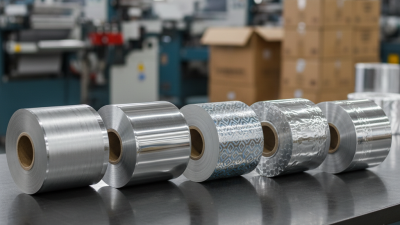
Aluminum foil manufacturing begins with alloy selection, not rolling. Common grades include 8011, 1235, and 3003, each serving different forming and barrier needs. A supplier may produce household foil, pharmaceutical foil, food packaging foil, or industrial foil. Thickness, temper, width, and surface finish must match the application. Soft foil bends easily, while harder temper provides better shape retention.

The process usually includes melting, casting, hot rolling, cold rolling, annealing, slitting, and inspection. During cold rolling, pressure controls thickness within tight tolerances. Annealing removes stress and improves flexibility. Clean rooms are essential for sensitive packaging applications. Operators should check pinholes, edge cracks, oil residue, wrinkles, and telescoped rolls. A shiny surface is not proof of quality. It can hide weak areas.

Reliable manufacturers use documented quality systems, often aligned with ISO 9001. They may also test products against ASTM or EN requirements, depending on the destination market. Food-contact foil requires migration testing and traceable raw materials. Pharmaceutical applications demand stricter cleanliness and coating control. In factory audits, I would review calibration records, batch samples, and corrective-action reports. No production line is flawless. A supplier that records small defects honestly may be more dependable than one claiming zero problems. Clear certificates, consistent sampling, and responsive technical support remain practical signs of manufacturing competence.

How to Evaluate the Best Aluminum Foil Manufacturers in 2026

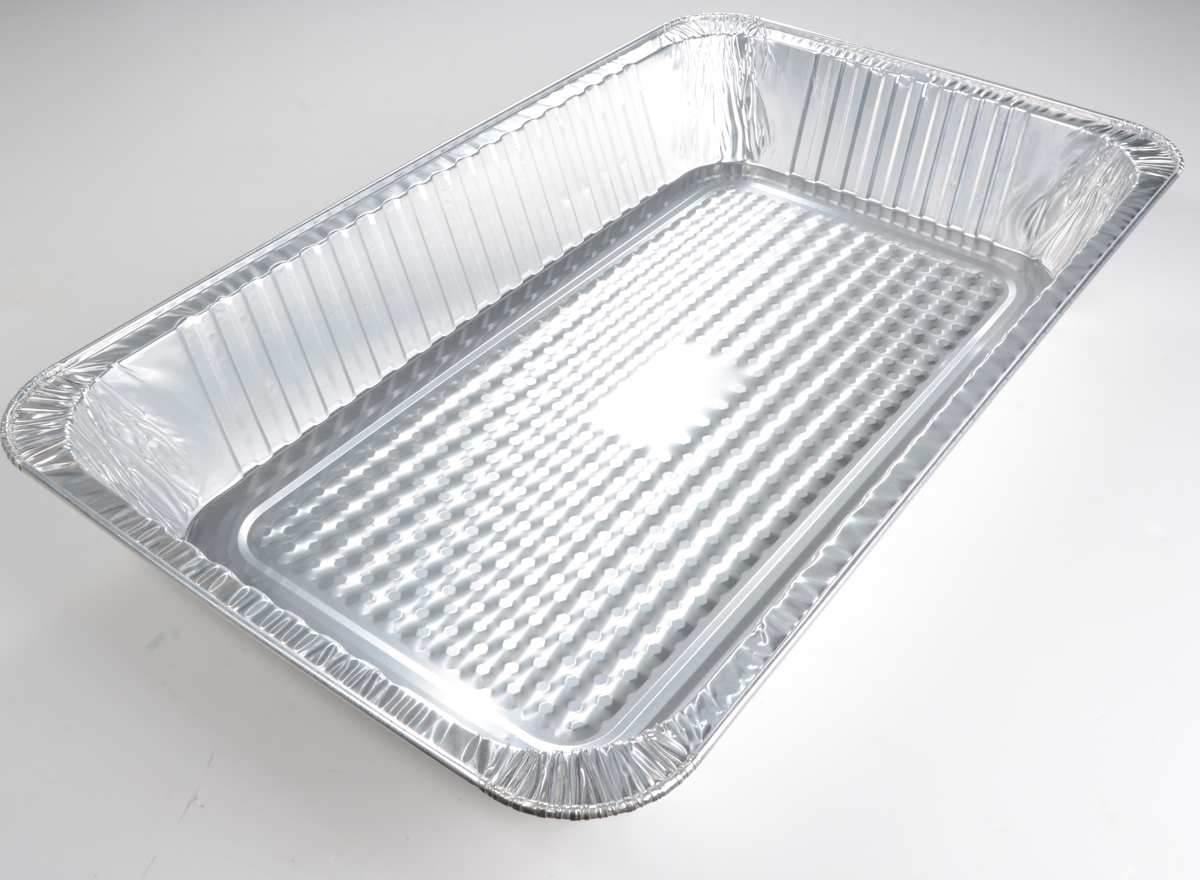
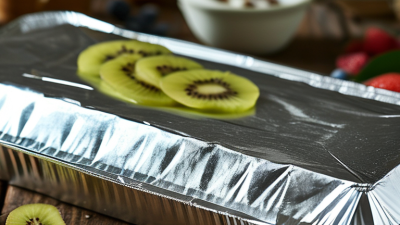
Evaluating the best aluminum foil manufacturers in 2026 requires more than comparing prices. Start with alloy, thickness tolerance, temper, surface finish, and pinhole control. For an Aluminum Foil Pan, request test records for forming strength, rim stability, and heat resistance. ASTM B479 can support technical discussions for foil used in flexible barrier applications, while food-contact documentation must match the destination market. Ask for batch-level certificates, not generic brochures.

Production reliability matters just as much. Review capacity, minimum order quantities, lead times, and contingency plans for alloy or energy disruptions. The International Aluminium Institute’s Aluminium Sector Greenhouse Gas Pathways to 1.5°C report highlights the industry’s major energy challenge. Its data also supports a widely accepted point: recycled aluminum requires roughly 5% of the energy used for primary metal. Therefore, verify recycled content through supplier records, mass-balance methods, or third-party audits. Claims without evidence are weak.

I have learned that a low quotation can hide unstable gauge control, excess trim waste, or delayed shipping. Check sample consistency across several batches. Visit the plant when possible. Look for calibrated rolling equipment, clean storage, documented corrective actions, and trained inspectors. ISO 9001 and ISO 14001 certificates are useful signals, but they do not replace an audit. One imperfect sample should not end the evaluation; it should trigger better questions. Availability still matters. A technically excellent supplier may fail if communication remains slow during a quality incident.

Leading Aluminum Foil Manufacturers for Global Buyers

Leading aluminum foil manufacturers for global buyers must prove more than production capacity. They need stable alloys, clean rolling lines, and documented quality controls. The International Aluminium Institute reported about 72.8 million tonnes of global primary aluminium production in 2024, up from 70.6 million tonnes in 2023. This growth supports wider foil supply, but it does not guarantee consistent performance. Volume can hide defects.

Experienced buyers should request alloy certificates, thickness records, pinhole results, and annealing data. A reliable supplier can trace each jumbo roll from casting to shipment. For an Aluminum Foil Box, the converter should confirm folding strength, surface cleanliness, and food-contact suitability. Small differences matter. A weak temper may tear around sharp corners.

The OECD’s Global Material Resources Outlook to 2060 projects material use could nearly double from 2017 levels by 2060. This pressure makes recycled content, energy records, and scrap recovery important purchasing criteria. Manufacturers should disclose test methods, audit dates, and shipment tolerances. Certificates without verifiable records deserve caution. No ranking is perfect. Buyers should compare samples under real filling, sealing, and transport conditions, not only polished brochures.

2026 Best Aluminum Foil Manufacturers for Global Buyers

Aluminum foil specifications vary by end use. The chart below shows representative foil thickness ranges commonly used in major global applications, helping buyers compare supplier capabilities and match material specifications with product requirements.

Thickness values are typical industry ranges in micrometers (μm). Actual requirements depend on alloy, temper, width, mechanical properties, barrier performance, and applicable regional standards.

Product Grades, Applications, and Customization Options

2026 Best Aluminum Foil Manufacturers for Global Buyers

Aluminum foil grades should match the product, forming method, and storage environment. Alloy 8011 is widely used for household foil, food wrapping, and pharmaceutical packaging. It offers balanced strength and flexibility. Alloy 3003 provides better formability for containers, trays, and heat exchangers. Alloy 5052 suits demanding applications requiring higher strength and corrosion resistance. Temper also matters. Soft foil bends easily, while harder temper supports shaped components.

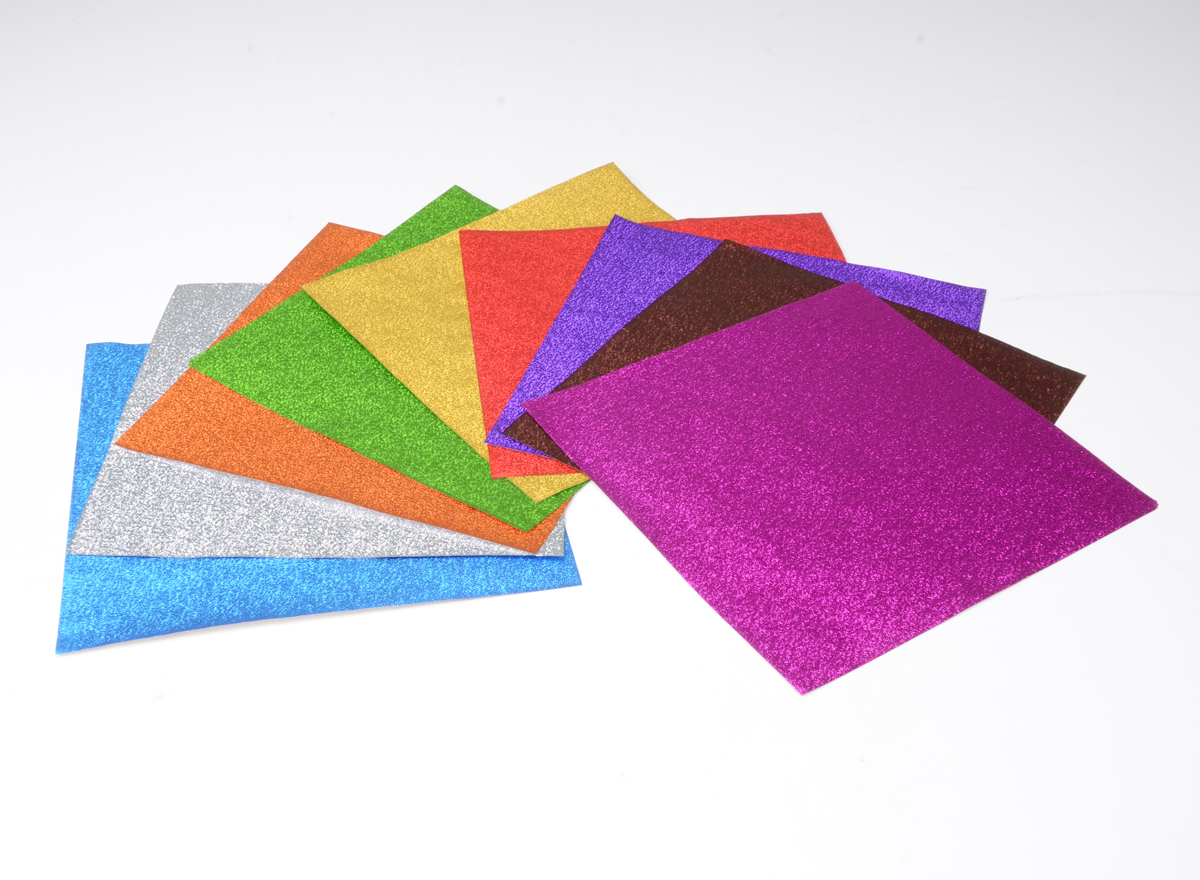
Manufacturers should provide clear thickness, width, and tolerance data. Typical customization includes roll diameter, slit width, core size, surface finish, and embossed patterns. Buyers may request coated foil for insulation, sealing, or decorative panels. Different coatings require compatibility testing. A printed sample can look excellent but fail during heat sealing. That is an easy mistake.

Reliable suppliers support traceability from coil production to final shipment. Ask for alloy certificates, mechanical test results, chemical analysis, and inspection records. Sample approval should include actual forming, folding, sealing, or cooking conditions. Packaging also deserves attention, especially for long sea transport. Moisture can damage foil surfaces and create staining. I have seen specifications that ignored this risk. They looked complete, but they were not practical. A stronger purchasing process compares performance, documentation, and customization limits before volume production.

International Certifications, Compliance, and Traceability

For global buyers, aluminum foil compliance begins with evidence, not attractive certificates. A reliable manufacturer should provide current ISO 9001 quality certification, ISO 14001 environmental certification, and documented food-contact declarations where applicable. BRCGS Packaging Materials or equivalent third-party audits can strengthen supplier approval. Certificates should show the legal entity, factory address, scope, expiry date, and certification body.

Traceability must work at production-floor level. A buyer should be able to connect one coil to its alloy grade, casting lot, rolling records, annealing temperature, and final inspection report. The International Aluminium Institute reports that about 75% of all aluminium ever produced remains in use today, making recycled-content claims important. However, recycled input does not automatically prove responsible sourcing. Ask for mass-balance records, supplier declarations, and independent verification.

Small details matter.

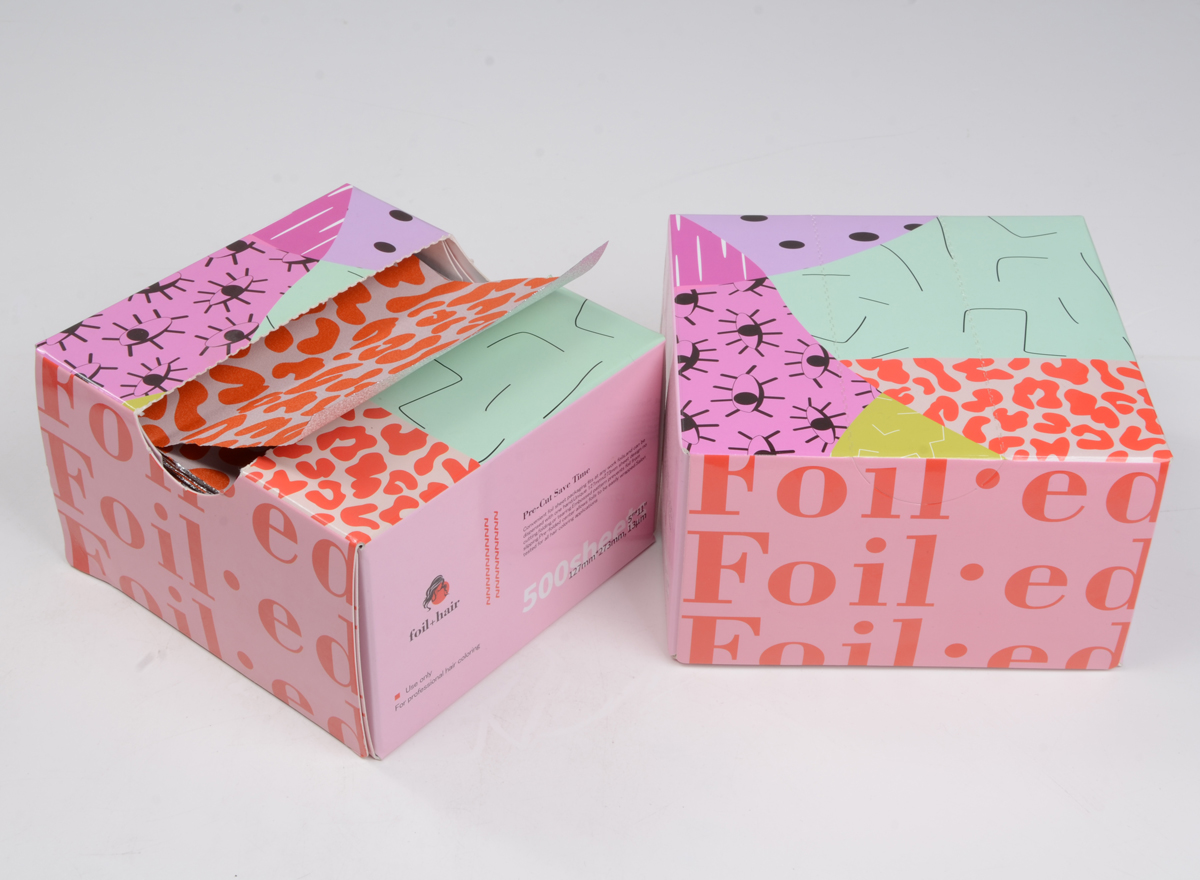
For food, pharmaceutical, or specialized applications such as Aluminum Foil Hair products, migration testing and cleanliness controls should match the destination market. The European Chemicals Agency and relevant regional authorities publish requirements that can affect coatings, lubricants, inks, and packaging additives. A serious supplier can explain test methods, sampling frequency, and corrective actions without hiding behind generic compliance language. No system is perfect. Batch codes may be readable, yet digital records can still contain gaps. Buyers should test one traceability exercise before signing a long-term contract.

Pricing, Minimum Orders, Lead Times, and Shipping Factors

2026 Best Aluminum Foil Manufacturers for Global Buyers

In 2026, global buyers should compare more than the quoted price. Aluminum foil costs change with alloy, temper, thickness, width, surface finish, and packaging. A clear request should include every specification. Otherwise, two quotes may look similar but deliver different materials. My first estimate was too optimistic. Raw material movements and currency changes quickly affected the final cost. Ask for a validity period, payment terms, tooling charges, and a detailed packing list.

Minimum orders often begin around one to five metric tons, depending on the product and production schedule. Small trial orders may carry higher processing costs. Request samples before approving a full batch. Check thickness with calibrated equipment, not only by appearance. It matters.

Lead times commonly range from 20 to 45 days after confirmation and deposit. Custom widths, printed surfaces, or special cores can add time. Confirm whether the quoted lead time includes production, inspection, and export preparation.

Shipping requires equal attention. Compare EXW, FOB, CIF, and DDP quotations carefully, because each transfers different costs and risks. A container may have unused space when rolls need protective packing. That waste can raise the landed cost. Ask about pallet dimensions, gross weight, container loading plans, port charges, insurance, and estimated transit time. Weather, congestion, and customs checks can still cause delays. Build a small buffer. It is not perfect planning, but it is safer than promising a delivery date based only on factory output.

How to Select a Reliable Aluminum Foil Manufacturing Partner

Selecting a reliable aluminum foil manufacturing partner requires more than comparing prices. Start by checking alloy grades, foil thickness, roll width, and production capacity. A capable manufacturer should explain how each specification fits your product, not simply offer a standard catalogue.

Ask for recent test reports covering tensile strength, elongation, pinholes, coating adhesion, and surface cleanliness. For food packaging, confirm suitable compliance documents and batch traceability. If you purchase Aluminum Foil Lids, inspect sealing performance with your actual container material. Small differences in temperature or lacquer coverage can cause leaks. Request samples from normal production, not specially prepared pieces. This detail is often overlooked.

Visit the facility when possible, or arrange a live video inspection. Look for clean slitting areas, protected storage, calibrated testing equipment, and clear identification on every coil. Ask how the manufacturer handles rejected material and delayed shipments. Their answer may reveal more than a polished presentation. Check minimum order quantities, lead times, packing methods, and replacement procedures in writing. A supplier with responsive engineers can solve problems faster than a low-cost supplier with weak communication.

Do not rely on certificates alone. I have seen specifications accepted too quickly, while the final application exposed curling and uneven sealing. Recheck critical dimensions after transit and during machine trials. A reliable partner welcomes these questions, shares production evidence, and admits limitations when a request falls outside its process. That honesty is useful, even when it slows the first order.

2026 Best Aluminum Foil Manufacturers for Global Buyers - How to Select a Reliable Aluminum Foil Manufacturing Partner
Anonymous Manufacturer Profile Typical Product Focus Common Aluminum Alloys Typical Thickness Range Typical Width Capability Common Tempers Applicable International Standards Quality Documentation to Request Manufacturing Capability Indicator Recommended Buyer Fit Due-Diligence Priority
Profile A
High-volume converter
Household foil, food-service foil, jumbo rolls and rewound rolls Aluminum alloys commonly used for foil products, including 8011 and 1235 Approximately 0.006–0.200 mm, subject to order specification Approximately 200–1,800 mm, depending on rolling and slitting equipment O, H18 and other agreed tempers ASTM B479; EN 485-1; applicable national product standards Mill test certificate, chemical composition, mechanical properties, thickness report and surface inspection record Continuous rolling, controlled annealing, automatic gauge control and precision slitting Large distributors, retail packaging programs and repeat container-load orders Confirm actual minimum order quantity, annual capacity and roll-weight limits
Profile B
Food-packaging specialist
Container foil, lidding foil, pharmaceutical packaging foil and laminated foil stock Common packaging grades such as 8011, 8079 and 1235 Approximately 0.018–0.100 mm for many packaging applications Approximately 300–1,600 mm O, H22, H24 and H18, depending on forming and sealing requirements ASTM B479; EN 485-2; relevant food-contact or pharmaceutical-packaging requirements Food-contact declaration where applicable, migration test report, pinhole report, surface cleanliness record and batch traceability Clean handling areas, controlled rolling oil, pinhole inspection and documented process traceability Food processors, pharmaceutical packagers and converters requiring consistent barrier performance Verify regulatory status for the destination market rather than relying only on a general certificate
Profile C
Industrial foil producer
Insulation foil, cable foil, heat-exchanger stock and technical foil Common industrial grades such as 1050, 1060, 1100, 3003 and 8011 Approximately 0.020–0.500 mm Approximately 500–2,000 mm O, H14, H16, H18, H22 and H24 ASTM B209; EN 485 series; customer-specific technical specifications Mill test certificate, tensile and elongation results, conductivity where required, dimensional report and coating data Alloy-controlled casting or sourcing, multi-pass rolling, heat treatment and technical surface inspection HVAC, electrical, insulation and general engineering applications Confirm alloy availability, flatness tolerance, conductivity and coating compatibility
Profile D
Custom-finish converter
Embossed foil, coated foil, laminated foil, colored foil and cut-to-length formats Base materials commonly include 8011, 1235, 1100 and 3003 Approximately 0.020–0.300 mm before coating or lamination Approximately 200–1,500 mm O, H14, H18 and customer-defined temper conditions ASTM B479 or ASTM B209 for the aluminum substrate; agreed coating and laminate specifications Coating thickness report, adhesion test, color or gloss report, laminate bond-strength test and roll identification Coating, laminating, embossing, slitting and customized packaging operations Flexible packaging, insulation systems and applications requiring printed or functional surfaces Approve production samples and define color, adhesion, odor and storage requirements in writing
Profile E
Flexible-order exporter
Standard foil rolls, small-to-medium custom orders and mixed container programs Frequently available grades include 8011, 1235, 1100 and 3003 Approximately 0.009–0.200 mm Approximately 200–1,300 mm O, H18 and selected intermediate tempers ASTM B479; EN 485 series; buyer-approved product specification Pre-shipment inspection report, packing list, certificate of origin, mill test certificate and photographic loading record Flexible scheduling, standard slitting lines and export-oriented documentation processes Importers testing a new supplier, regional distributors and buyers with mixed specifications Evaluate production consistency across several shipments, not only the first sample order
Buyer guidance: The capability ranges above are industry reference ranges, not guaranteed specifications for any individual supplier. Before placing an order, obtain a signed technical data sheet, production sample, applicable compliance documents, inspection plan, packaging specification, lead-time commitment and clearly defined acceptance criteria.

FAQS

What technical details should buyers compare when evaluating aluminum foil manufacturers?

Compare alloy, thickness tolerance, temper, width, surface finish, and pinhole control. Small differences matter. Request batch-level test records, not general brochures.

How can buyers verify foil quality before placing a full order?

Request samples from normal production. Test thickness with calibrated equipment. Check tensile strength, elongation, pinholes, cleanliness, and surface consistency across several batches.

What should be checked for foil pans and lids?

Test forming strength, rim stability, heat resistance, and sealing performance. Use the actual container material during trials. Small temperature changes can cause leaks.

How important are food-contact documents and traceability?

They are essential for packaging applications. Confirm documents match the destination market. Ask for batch identification and traceable production records.

What production and facility signs suggest a reliable manufacturer?

Look for calibrated rolling and testing equipment, clean storage, protected coils, and trained inspectors. Clear corrective-action records are valuable. A live video inspection can reveal practical details.

How should buyers compare prices, minimum orders, and lead times?

Compare alloy, thickness, finish, packaging, payment terms, and tooling charges. Minimum orders may range from one to five metric tons. Typical lead times may reach 20 to 45 days after confirmation and deposit.

What shipping details can change the final landed cost?

Compare delivery terms carefully. Ask about pallet size, gross weight, container loading, insurance, port charges, and transit time. Unused container space can increase costs. Add a small buffer.

Are certificates enough to select a manufacturing partner?

No. Certificates provide useful signals, but they do not replace audits or production checks. Recheck dimensions after transit and during machine trials. My first estimate was too optimistic.

Conclusion

This guide to the 2026 best Aluminum Foil manufacturers for global buyers explains the complete path from raw material selection to finished products. It covers common foil types, rolling and annealing processes, surface treatment, thickness control, packaging, and quality standards. Buyers will also learn how to compare manufacturers through production capacity, technical expertise, inspection systems, customization capabilities, and consistent delivery performance.

The article reviews product grades and applications across food packaging, pharmaceuticals, household use, insulation, and industrial sectors, while highlighting options for customized dimensions, alloys, tempers, coatings, and packaging formats. It also outlines the importance of international certifications, regulatory compliance, batch traceability, transparent pricing, minimum order quantities, lead times, and shipping arrangements. By assessing samples, documentation, communication, after-sales support, and long-term reliability, buyers can select an Aluminum Foil manufacturing partner that matches their quality requirements, budget, production schedule, and international procurement needs.

Ethan

Ethan

Ethan is a seasoned marketing professional nestled within a premier industrial cluster, where he leverages local resources and technical expertise to deliver exceptional solutions to the global market. With an extensive understanding of our diverse portfolio, which boasts over 300 types of aluminum......
Previous 7 Tips for Buying Aluminum Pans With Lids