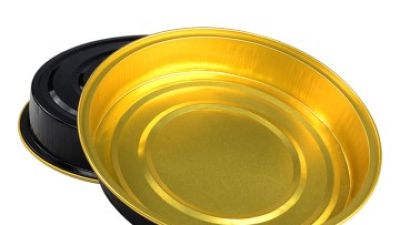
Hey, have you noticed how the global market for kitchen aluminum foil has been blowing up recently? It’s projected to hit over $2 billion by 2026, which is pretty wild. A report from Smithers Pira points out that more people are craving sustainable packaging and better ways to keep food fresh, and that’s really pushing companies to get creative. You know, consumers are more into eco-friendly stuff these days, so manufacturers are kinda forced to shift gears to match those preferences.
John Anderson, who’s pretty well-known in the packaging world, put it pretty simply: he said, “The future of kitchen aluminum foil is all about finding that sweet spot between convenience and sustainability.” That’s pretty much the gist — brands need to rethink where they get their materials and how they produce this stuff. But, not everyone’s on the same page; some still stick to old-school methods that don’t cut it when it comes to today’s environmental standards.
The thing is, there’s still a gap. Some manufacturers are struggling to keep up with these newer, greener approaches, which means we’re seeing products of uneven quality out there. Fixing that imbalance is crucial because consumers deserve better across the board. All in all, the kitchen foil industry is kind of caught in this tricky spot — trying to stay relevant while also being friendly to the planet. It’s an ongoing challenge, but one that’s definitely shaping the future of the market.
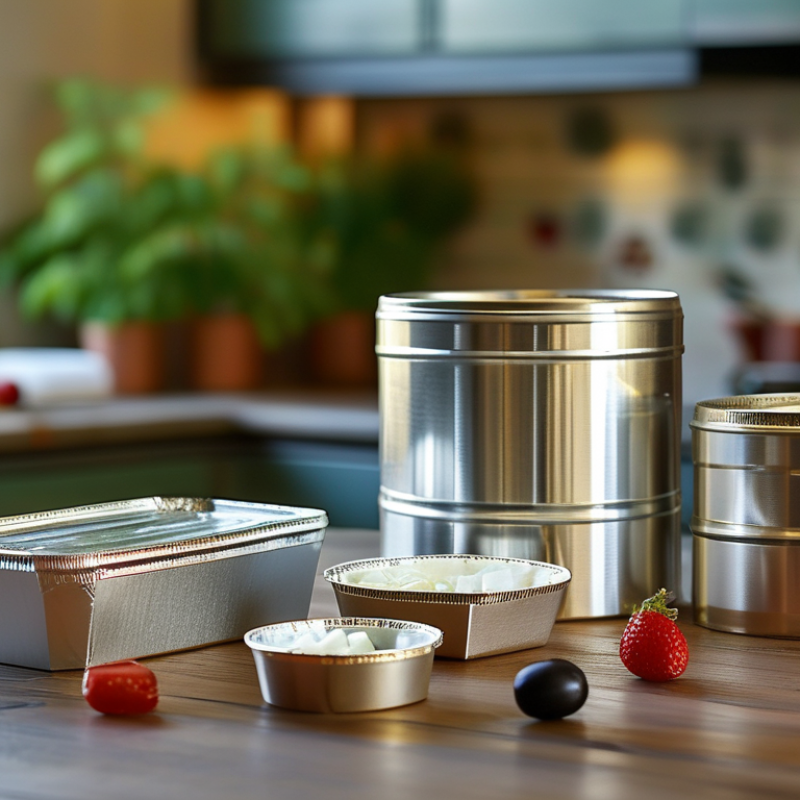
2026 Kitchen Aluminium Foil Market Overview and Trends
The kitchen aluminium foil market is evolving rapidly. As of 2023, the global market value is estimated at around $3.5 billion. Industry experts predict a growth rate of approximately 4.2% CAGR from 2024 to 2026. This trend reflects the increasing demand for Kitchen Foil among consumers and professionals alike.
Consumer preferences are shifting. The rise in cooking at home has fueled the need for versatile kitchen foil. Features like non-stick surfaces and higher durability are gaining traction. A recent report indicates that about 65% of households use kitchen foil for cooking and storage. Yet, there are concerns about sustainability. The demand for recyclable packaging is becoming more pressing.
Challenges remain in supply chains and raw material costs. Prices for aluminium fluctuate, which can affect the final product price. Manufacturers are under pressure to innovate while maintaining affordable prices. The push for eco-friendly alternatives is shaping product development. New solutions are necessary to balance performance and environmental impact. Industry stakeholders need to address these concerns to meet evolving market demands effectively.
Key Features of High-Quality Kitchen Aluminium Foil
When it comes to kitchen aluminum foil, high-quality options stand out. Industry reports indicate that about 80% of consumers prioritize product durability and heat resistance. A good aluminum foil should withstand high temperatures without losing integrity. Thin foils may tear easily, reducing effectiveness.
The flexibility of the foil is crucial. It should mold to various food shapes, allowing for better coverage. The best foils also feature a non-stick surface, which is essential for easy food release. According to market research, approximately 65% of users prefer non-stick foils to avoid messy cleanups.
**Tip**: Always check the thickness before purchasing. A 0.025 mm thickness is often a sweet spot for balance between strength and flexibility.
Another thing to consider is the packaging. Foils that are rolled onto a cardboard tube tend to be easier to handle. Some brands are now introducing eco-friendly options, responding to rising consumer awareness about sustainability. Despite these advancements, it’s essential to remain critical. Cost-efficient options may lead to unexpected tears or poor heat retention.
**Tip**: Don't compromise on quality for the price. Your cooking experience might suffer in ways you didn’t anticipate.
2026 Top Kitchen Aluminium Foil for Global Buyers - Key Features of High-Quality Kitchen Aluminium Foil
| Feature |
Description |
| Thickness |
Standard thickness ranges from 18 to 30 microns, providing strength and durability. |
| Width |
Common widths are 12, 18, and 24 inches to accommodate various cooking needs. |
| Food Safety |
Made from food-grade aluminum, ensuring no harmful chemicals are leached into food. |
| Heat Resistance |
Able to withstand high temperatures, suitable for grilling and baking. |
| Recyclability |
100% recyclable, contributing to environmental sustainability. |
| Non-stick Properties |
Advanced coating options to prevent food from sticking and enhance cooking ease. |
| Value for Money |
Competitive pricing per square foot, typically ranges from $0.10 to $0.25. |
Comparison of Different Types of Kitchen Aluminium Foil
When selecting kitchen aluminium foil, several types stand out.
Regular kitchen foil, often used for baking and wrapping, is versatile and convenient. It comes in different thicknesses, which affects its durability and usability. Thicker varieties tend to resist tearing better, making them suitable for heavier foods.
Another category is heavy-duty kitchen foil. This type is designed for tasks that require extra strength.
For instance, grilling or wrapping meats benefits from heavy-duty options. Users appreciate its resilience in high-heat situations. However, some may find it less flexible compared to standard rolls.
There’s also non-stick kitchen foil, which simplifies cooking and cleanup. It prevents food from sticking, making it ideal for baking cookies or roasting vegetables. Yet, it may not perform well in all applications. Some cooks report issues when using it on very acidic foods.
Like any product, the choice depends on specific cooking needs. Exploring these types helps consumers make informed choices, ensuring effective meal preparation.
Top Global Manufacturers of Kitchen Aluminium Foil in 2026
As the global market for kitchen aluminium foil continues to evolve, identifying top manufacturers is crucial for buyers in 2026. Recent industry reports indicate that the kitchen foil sector is projected to grow steadily at a CAGR of 4% from 2022 to 2026. This growth reflects increased consumer demand for sustainable packaging and cooking solutions, highlighting the importance of sourcing from trusted industry players.
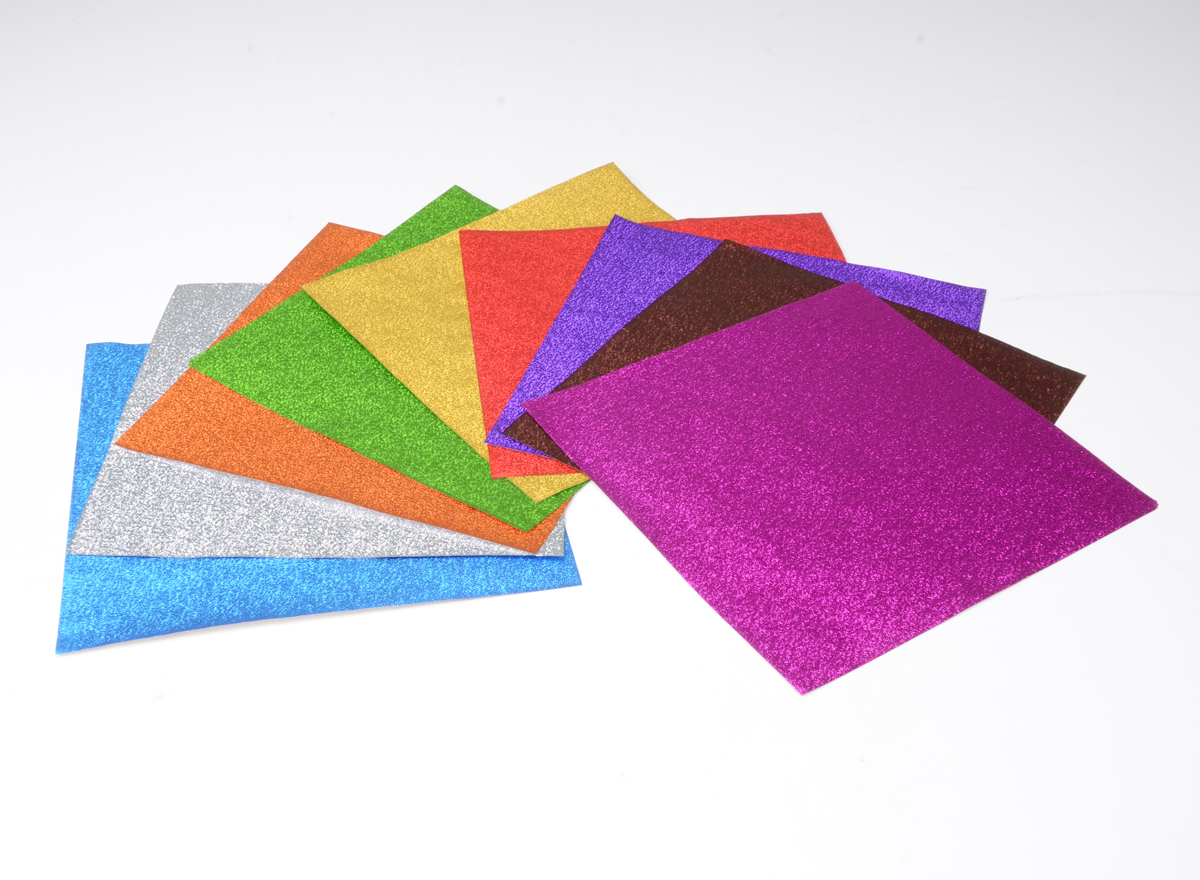
Among the top global manufacturers, companies focusing on innovative production processes are gaining traction. The rise of Kitchen Foil Sheets with environmentally friendly attributes plays a significant role in this shift. Many consumers now prefer products that minimize their carbon footprint. Despite these advancements, not all manufacturers prioritize sustainability. This inconsistency makes it essential for buyers to conduct thorough research prior to purchases.
Quality remains a pivotal factor in the market. Reports show that thinner, more durable Kitchen Foil Sheets are preferred due to their versatility. However, buyers encounter challenges in differentiating high-quality products. Some manufacturers still rely on outdated technologies, affecting overall performance and safety. Thus, understanding each manufacturer’s approach to quality control and environmental practices can lead to better purchasing decisions.
Environmental Considerations in Aluminium Foil Production
The production of aluminium foil raises significant environmental concerns.
From mining bauxite to creating the final product, each step impacts our planet. Greenhouse gas emissions are a major issue. Manufacturing aluminium requires substantial energy, often sourced from fossil fuels. This practice contributes to climate change.
Many companies are now seeking eco-friendly practices. Recycled aluminium uses only 5% of the energy needed for new aluminium. This recycling process minimizes pollution and conserves resources. Encouraging recycling initiatives can significantly lessen environmental footprints.
Tips: Always check if your aluminium foil is made from recycled material. Educating yourself about sustainable options can help. When disposing of used foil, ensure it goes into recycling bins properly. This small step can make a substantial difference in reducing waste. Embracing sustainability is crucial in today’s eco-conscious world.
Consumer Preferences for Kitchen Aluminium Foil
Consumer preferences for Kitchen Aluminum Foil are shifting. Many users seek versatility and convenience in their cooking practices. They want a product that is easy to use, safe, and effective. The texture and thickness of kitchen aluminum foil can greatly influence user satisfaction. A thicker foil often provides better heat resistance. However, thin foil is preferred for its ease of handling.
Sustainability is another growing concern. Buyers are increasingly aware of the environmental impact of their choices. Some prefer recycled aluminum foil. Others look for foil that is easier to recycle after use. The challenge lies in balancing convenience with eco-friendly practices. Many customers feel conflicted about single-use products.
Price remains a critical factor as well. While some are willing to pay more for quality, others prioritize cost-effectiveness. It's a reflection of their cooking habits and frequency. Those who cook regularly might invest in premium kitchen aluminum foil. Casual cooks might opt for budget-friendly options. This diversity in consumer behavior highlights the complexity of kitchen aluminum foil choices.
Future Innovations in Kitchen Aluminium Foil Technology
The kitchen is evolving, and so is aluminium foil. Innovations in aluminium foil technology promise to change how we cook and store food. Recent developments focus on enhancing durability and improving usability. New coatings may help resist sticking, making it easier to remove foil from baked goods.
Sustainability is another critical factor. Biodegradable aluminium foils are emerging, addressing environmental concerns. Some products now use recycled materials, reducing waste. However, challenges remain. Not all manufacturers have adopted these changes, leaving consumers with fewer eco-friendly options.
Moreover, the quest for efficiency continues. Some kitchen foils are now designed to better conduct heat, which can lead to improved cooking results. Yet, the effectiveness of these products can vary. It’s essential for buyers to research and explore reviews to ensure they choose reliable options. As innovation progresses, staying aware of the latest trends becomes crucial for making informed decisions.
Enhancing Takeout Experience with Custom Duplex Color Aluminum Foil Containers for Premium Food Presentation
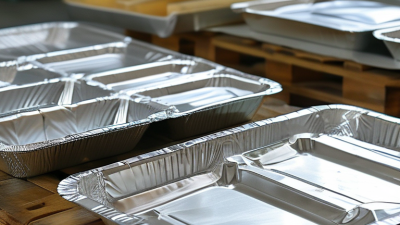
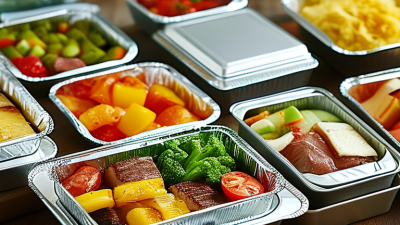
In the competitive landscape of food service, delivering an exceptional takeout experience is essential to retaining customers and driving sales. A key component in achieving this is the presentation of food, which has been shown to significantly influence consumer perception and enjoyment. According to a recent industry report, visually appealing food packaging can increase customer satisfaction by up to 30%. Custom duplex color aluminum foil containers are transforming the takeout experience, elevating food presentation to new heights.
These 480ML aluminum foil containers are not only functional but also aesthetically pleasing, combining durability with vibrant color options that enhance the visual appeal of gourmet meals. The dual-layer design helps retain heat and preserves the quality of the food during transport, ensuring that customers receive their orders in perfect condition. A study revealed that 75% of consumers consider packaging quality an important factor when choosing a takeout service, making these containers a valuable investment for food businesses aiming to impress their clientele.
Moreover, the versatility of these custom containers allows restaurants to showcase their unique branding while maintaining eco-friendliness. The growing trend towards sustainable packaging solutions is evident, with 62% of consumers willing to pay more for brands that adopt environmentally friendly practices. By choosing duplex color aluminum foil containers, restaurants can not only enhance their takeout presentation but also align with consumer preferences for sustainability, thereby fostering customer loyalty and enhancing their market position.
FAQS
: There are regular, heavy-duty, and non-stick types of kitchen aluminium foil. Each serves different cooking needs.
Regular foil is versatile, while heavy-duty foil offers extra strength for grilling and wrapping meat.
Non-stick foil prevents food from sticking, making baking and roasting easier. It’s convenient but not for all foods.
The production process contributes to greenhouse gas emissions. It consumes a large amount of energy, often from fossil fuels.
Look for recycled aluminium foil. Recycling uses less energy and reduces pollution significantly.
Consumers value versatility, ease of use, sustainability, and price. These influences vary based on cooking habits.
Thicker foil resists tearing better, but it may not always be as flexible as thinner varieties. It depends on the task.
Always put used foil in recycling bins. Proper disposal can help reduce waste significantly.
Yes, many find it hard to balance convenience and environmental impact. This choice reflects broader concerns about single-use products.
Price is crucial. Regular cooks may invest in premium options, while casual users often prefer more budget-friendly alternatives.
Conclusion
The article titled "2026 Top Kitchen Aluminium Foil for Global Buyers" presents a comprehensive overview of the kitchen aluminium foil market, highlighting emerging trends and key features that define high-quality products. As consumer preferences evolve, the demand for durable, versatile, and environmentally friendly kitchen aluminium foil is increasingly significant. The piece delves into various types of kitchen aluminium foil available in the market, comparing their usability and suitability for different culinary tasks.
Additionally, it examines leading manufacturers in the industry, alongside the environmental considerations surrounding aluminium foil production. As sustainability becomes a priority, the article also explores innovative technologies that may shape the future of kitchen aluminium foil, ensuring it meets the needs of consumers while minimizing ecological impact. Overall, the future landscape of kitchen aluminium foil appears promising, driven by innovation and a growing awareness of environmental responsibilities.

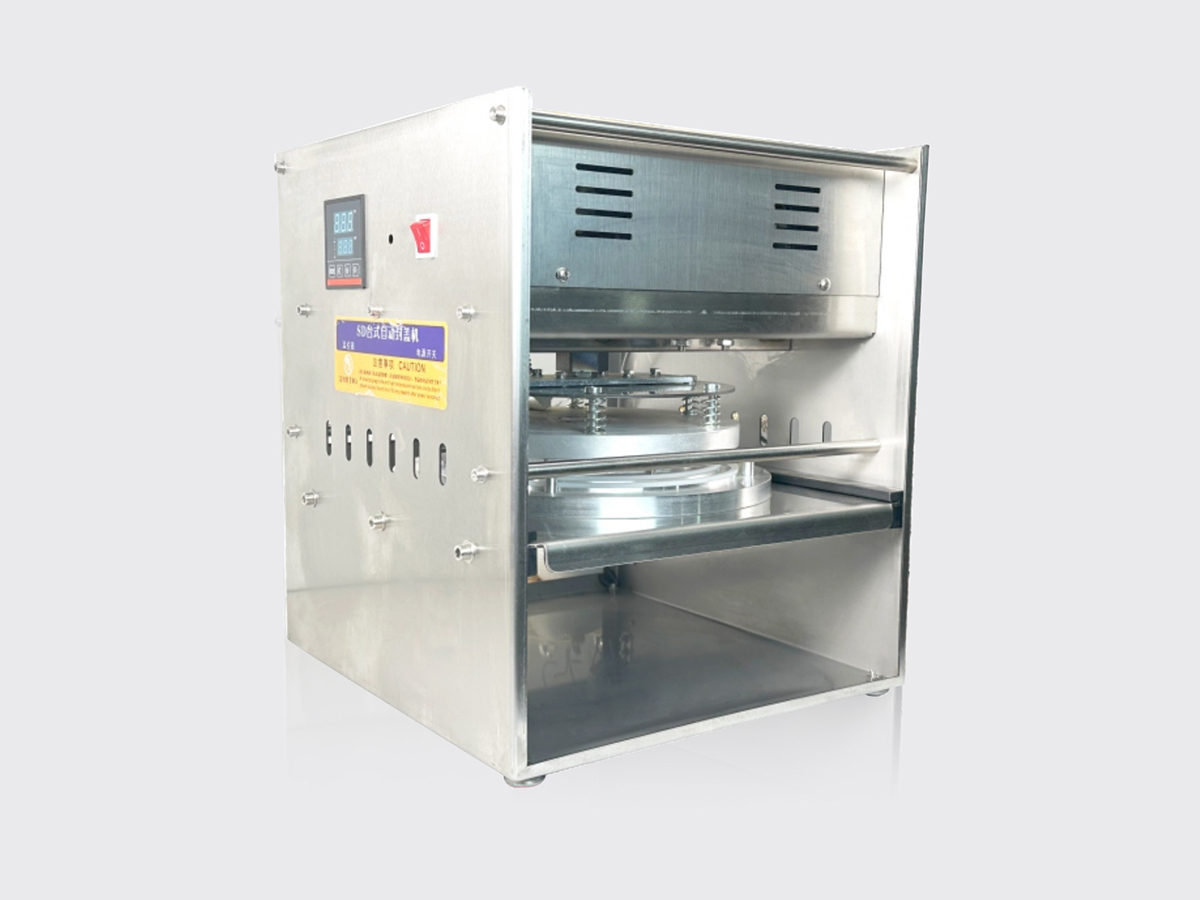 Foil Container
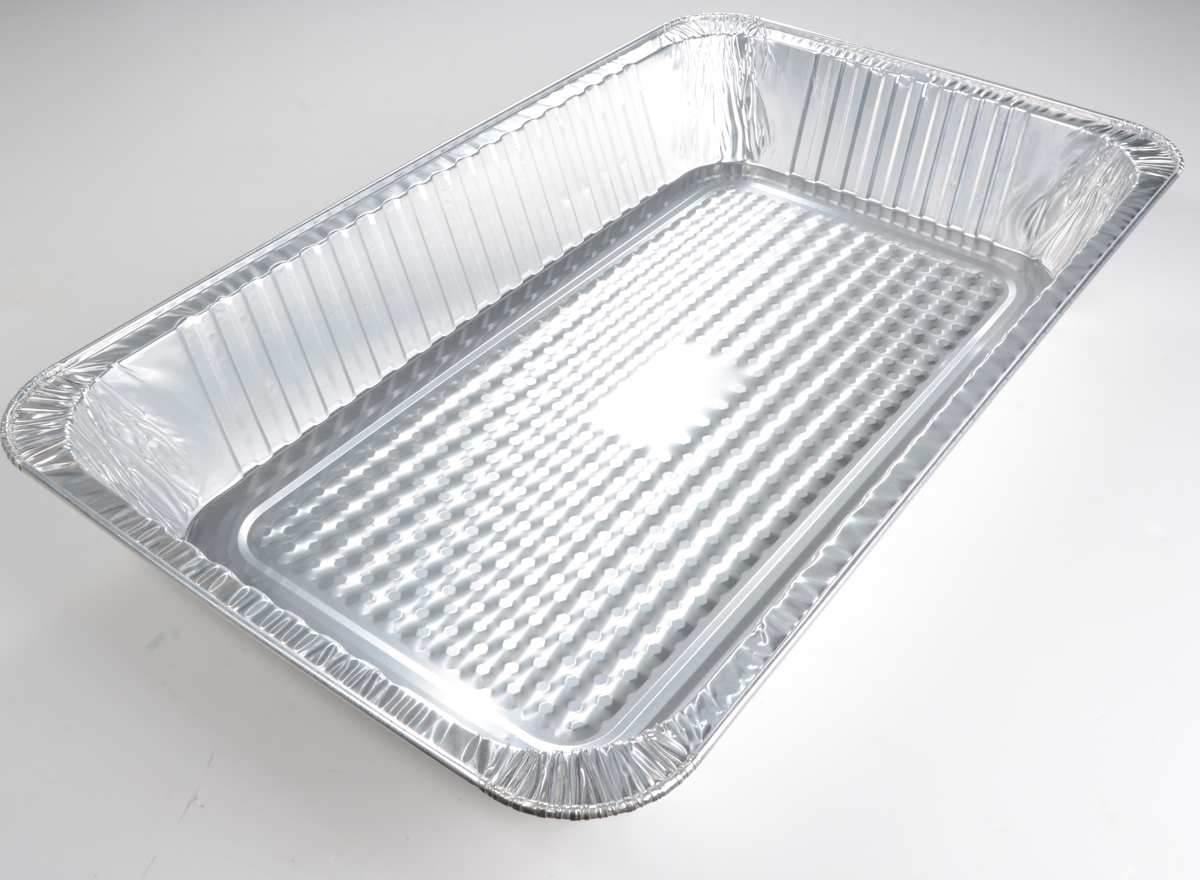 Baking Pan
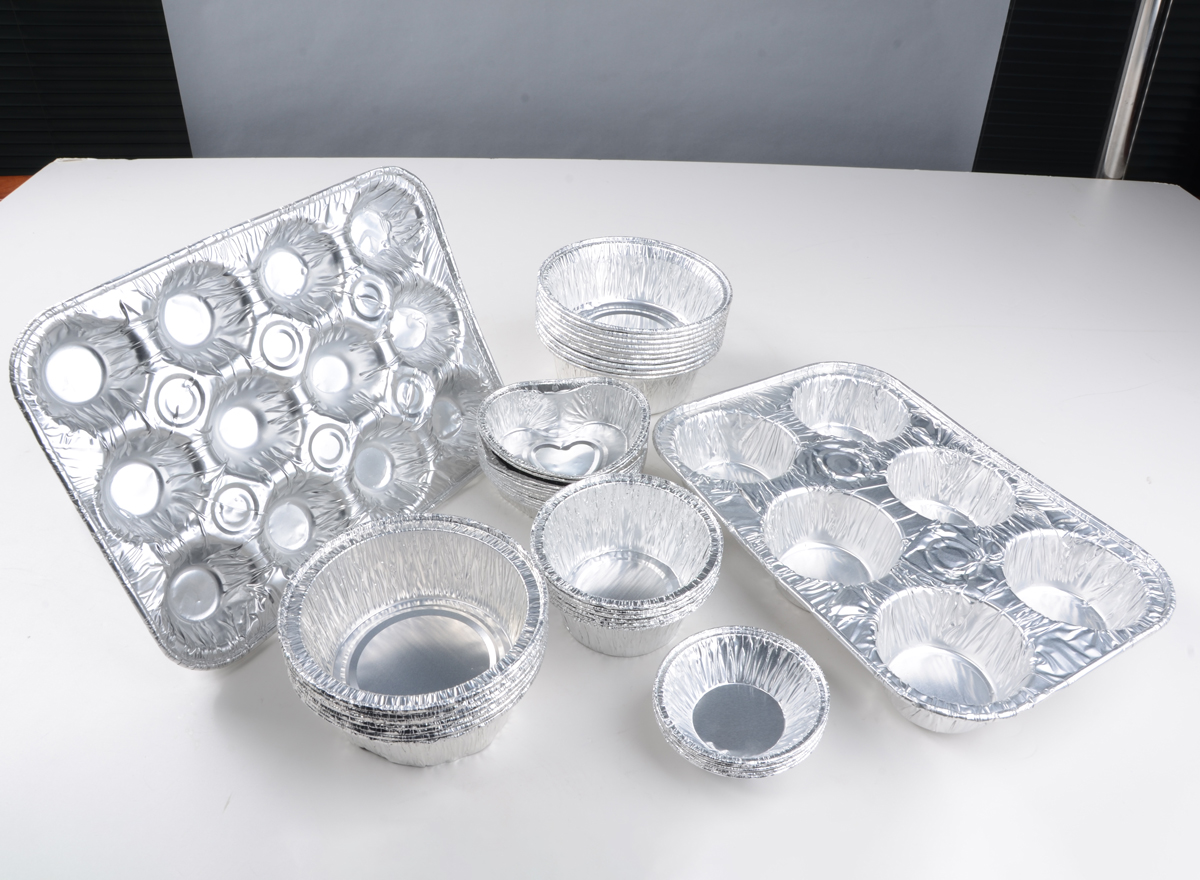 Baking Cup
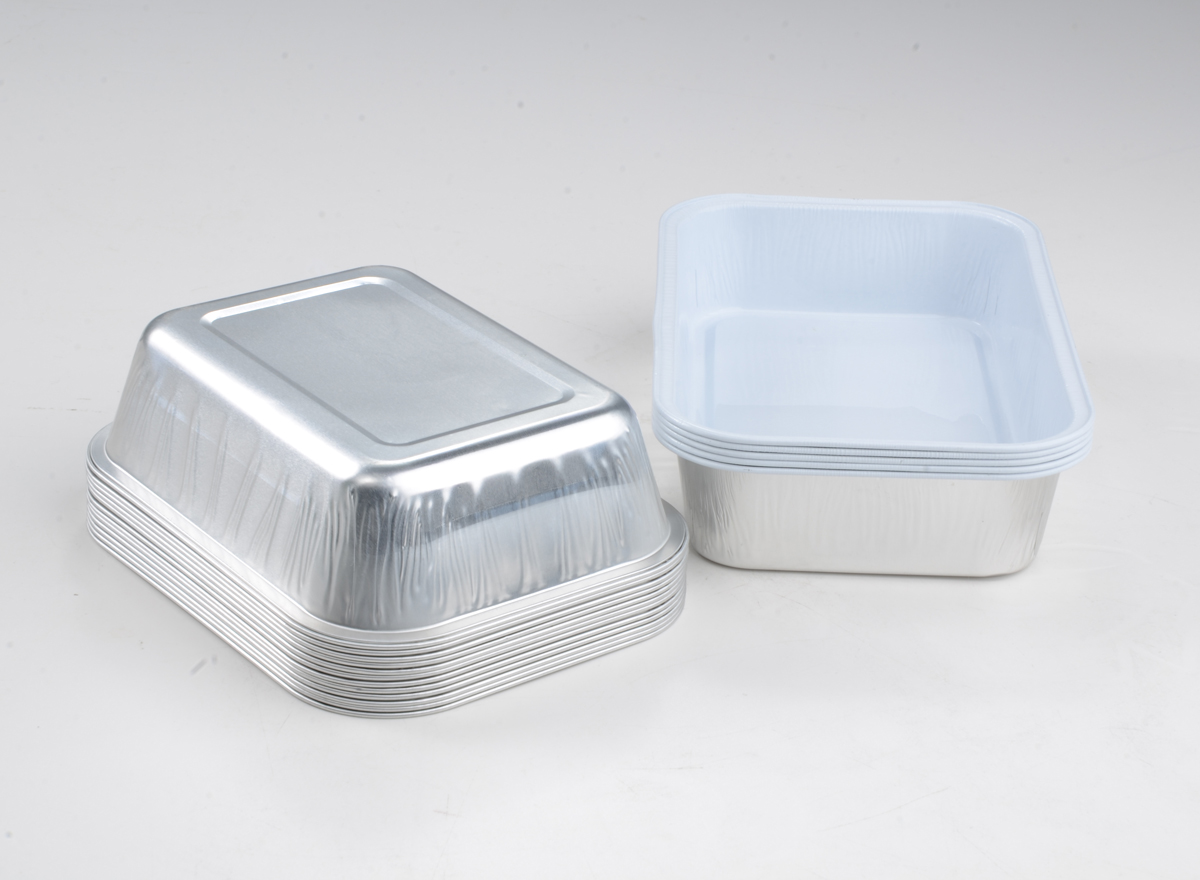 Airline Container
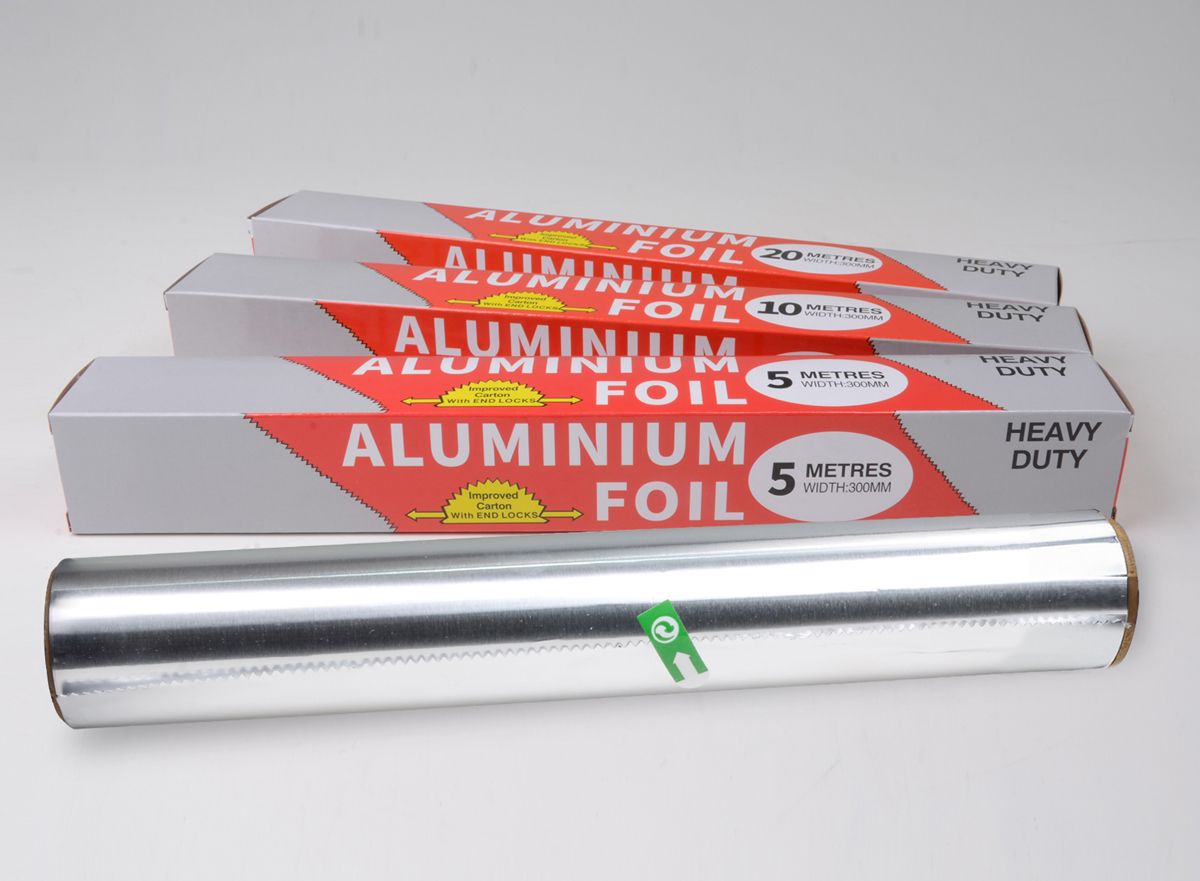 Foil Kitchen Rolls
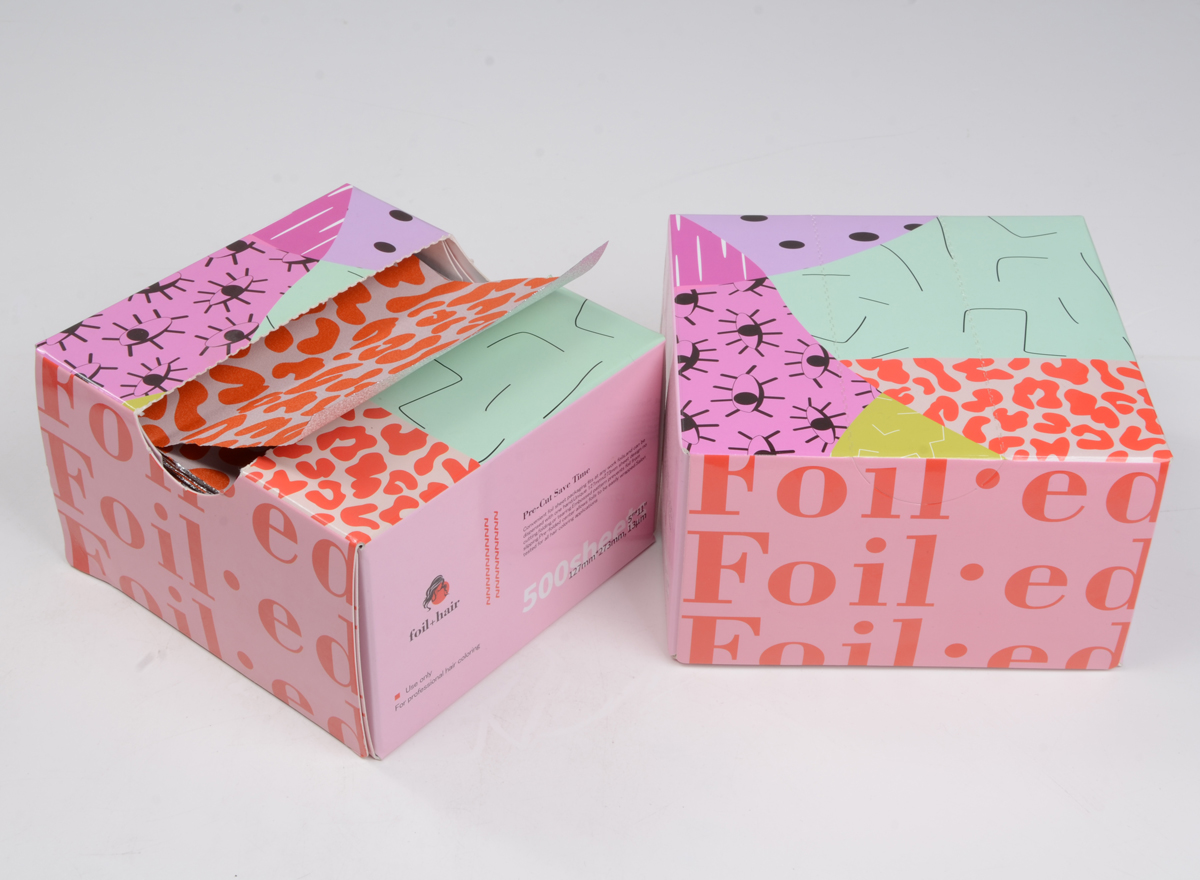 Hairdressing Foil
 Foil Wrapping Sheets