Leave Your Message
0%

Choosing the right aluminum container supplier in China isn't just about comparing prices or scrolling through glossy websites. You really need to look for concrete proof, practical experience, and clear, honest communication. This guide dives into how manufacturers demonstrate their capabilities—think factory records, production equipment, material controls, and genuine customer feedback.

A trustworthy supplier should be upfront about aluminum grades, wall thickness, forming techniques, surface finishes, and tolerance standards. These details matter because they affect the strength, look, sealing ability, and how long the product lasts. Don't hesitate to ask if they support sampling, custom sizes, logo printing, or consistent batch production. Take a good look at their product photos—better yet, ask for samples to check things out firsthand.

Having proper quality documentation is a big plus, too.

Suppliers ought to be transparent about their inspection processes and explain how they handle defects. Certifications can boost your trust, but keep in mind—they don’t automatically guarantee consistent quality. It’s also worth considering how quickly they respond, how securely they package items, their experience with exports, and how responsible they are with after-sales support. Searching for Container Aluminum suppliers can land you some impressive claims, but not everything you hear might hold up without some verification.

Let’s be real—no supplier is perfect. Even the most experienced can run into tooling delays, raw material ups and downs, or communication hiccups. What matters most is how openly they acknowledge these issues and how effectively they work to fix them. This guide compares the practical strengths of top Chinese suppliers without relying on empty promises. The focus is on real evidence, realistic expectations, and building long-term partnerships. Before you place an order, knowing which questions to ask can really make a difference. Often, the small details say a lot about whether you’re dealing with a reliable expert or just a smooth talker.
Who Is the Best Aluminum Container Supplier in China?

Definition of Aluminum Containers and Their Main Applications

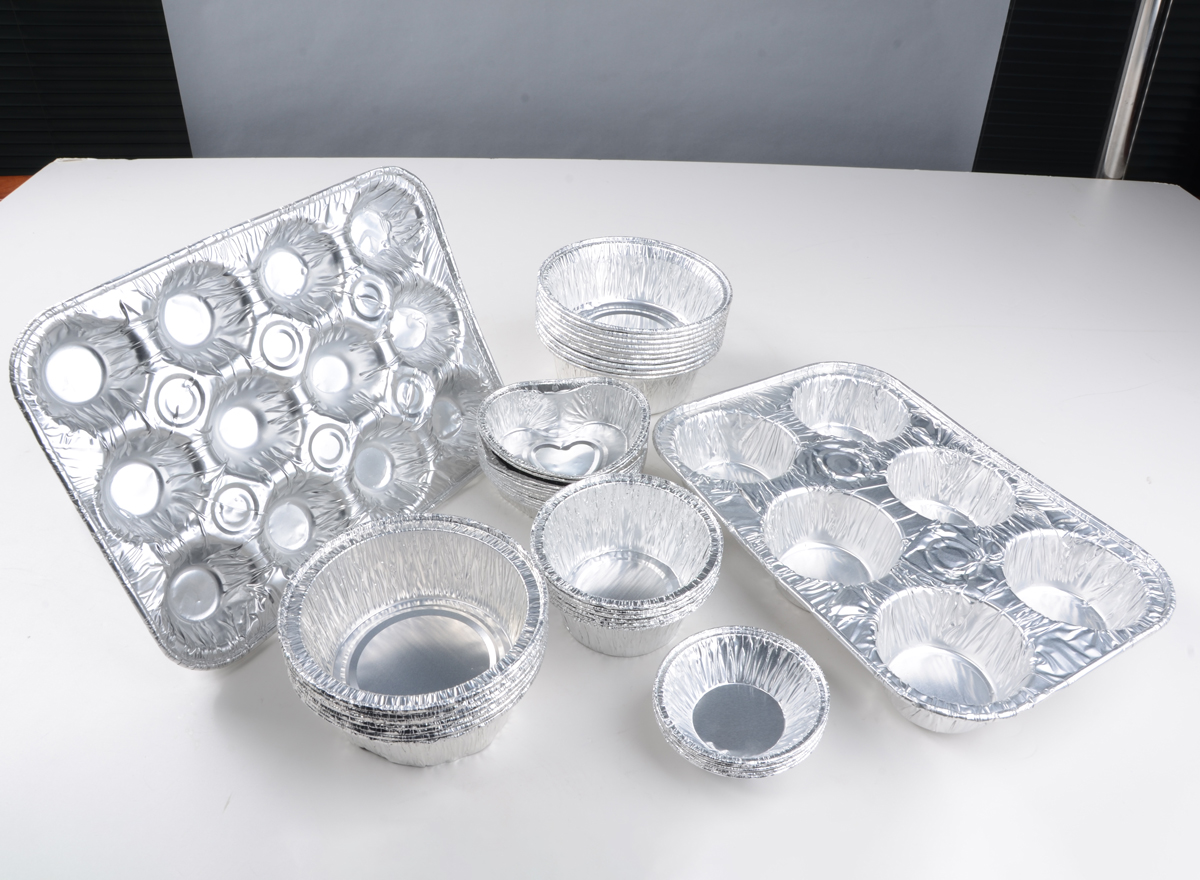
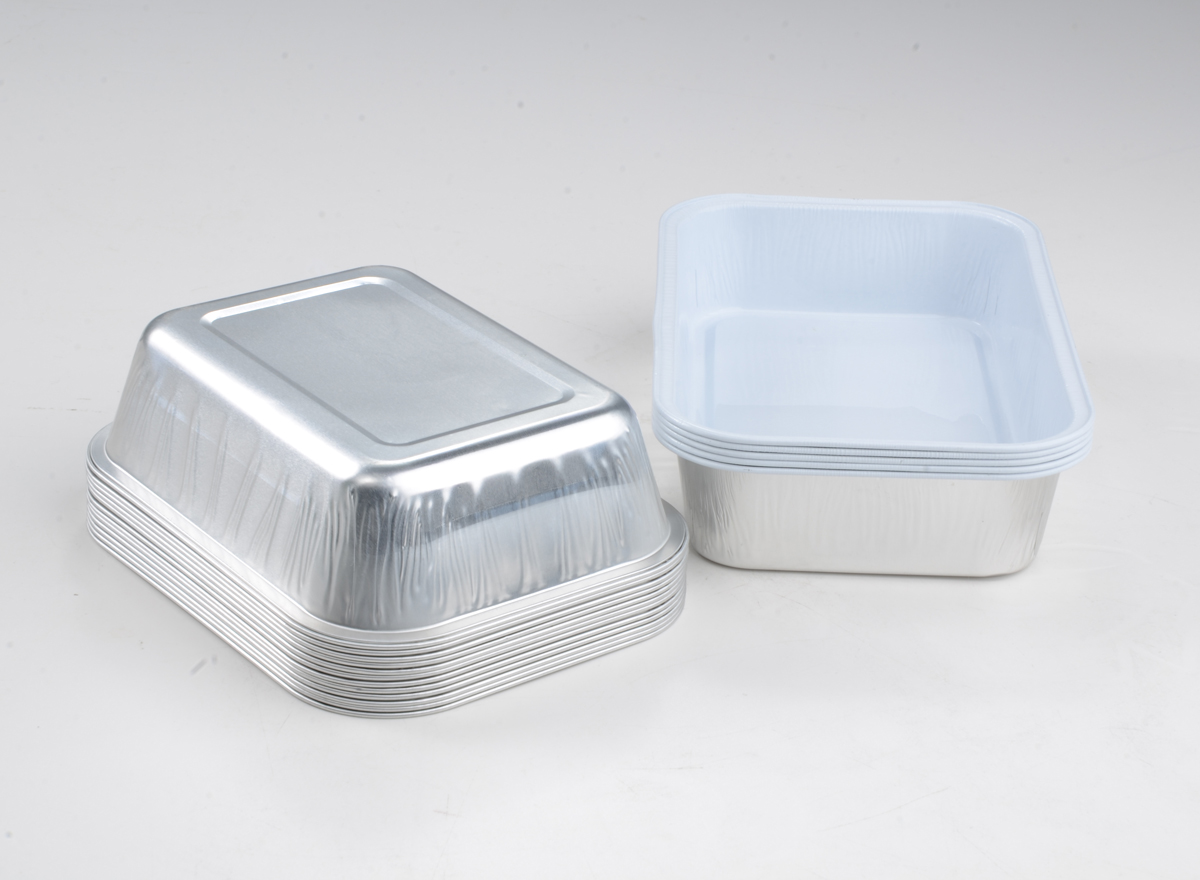
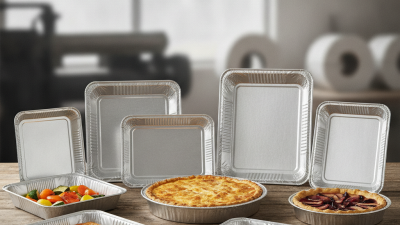
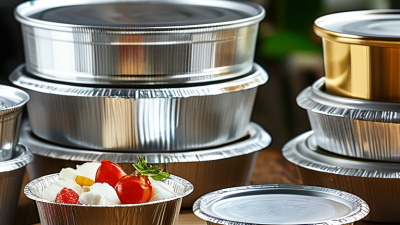
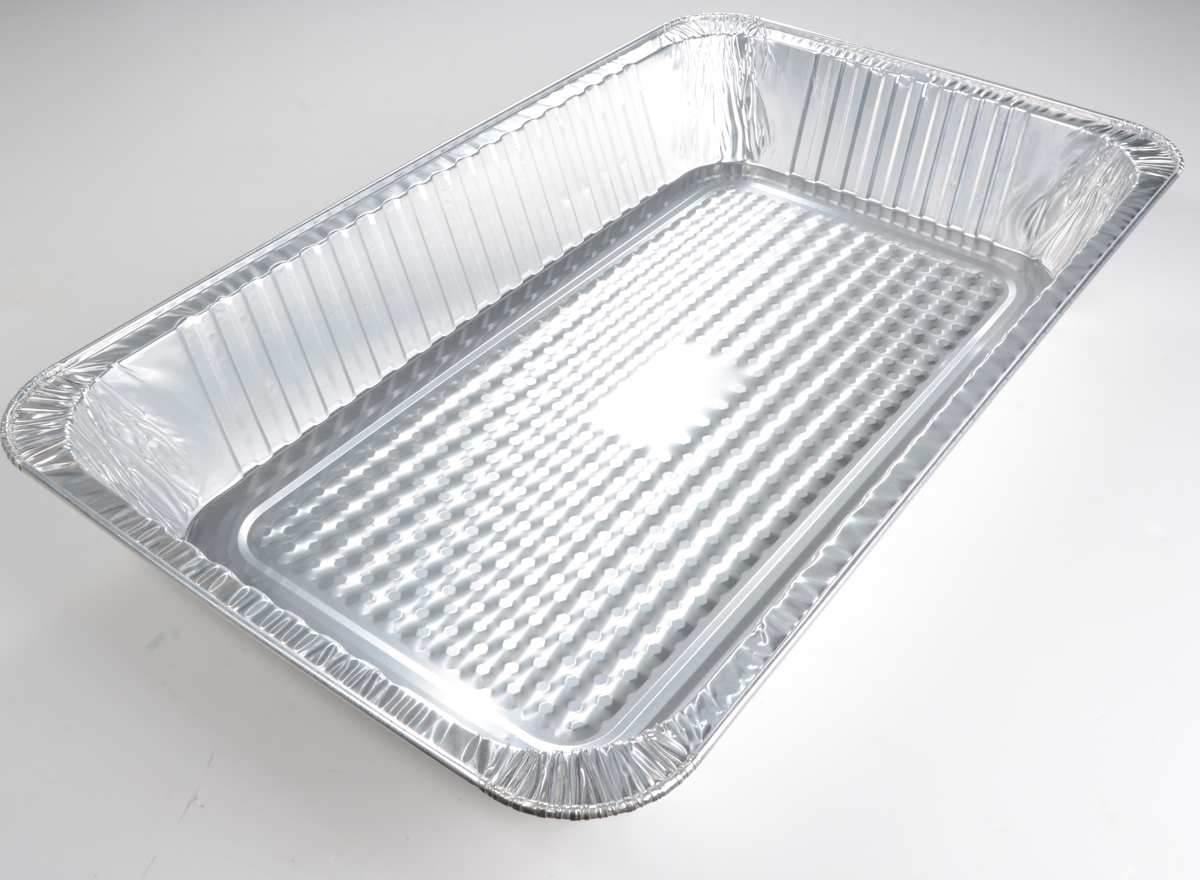
An Aluminum Container is a lightweight vessel made mainly from formed aluminum sheet or foil. It protects contents from light, moisture, air, and sudden temperature changes. Common designs include trays, cans, jars, and tightly sealed boxes. Some use lids, liners, or reinforced rims for better protection.

These containers serve many daily applications. Food producers use them for ready meals, bakery products, sauces, and frozen portions. Medical and laboratory teams may select aluminum packaging for controlled storage when material compatibility is confirmed. Manufacturers also use larger containers for powders, components, and sensitive materials. Aluminum transfers heat quickly, so it works well for cooking, cooling, and heat processing. However, it is not suitable for every substance. Acidic or salty contents may require an internal coating and careful testing. I have seen small surface defects become serious leakage risks during transport. That detail is easy to overlook.

Tips: Check wall thickness, sealing quality, lid fit, and surface cleanliness before ordering. Request sample testing with the actual contents. A reliable supplier should provide material specifications, inspection records, and clear production tolerances. Ask about forming accuracy and batch consistency, not only unit price. A minor size variation can disrupt filling lines and create unnecessary waste. Good technical communication matters.

Key Criteria for Choosing a Chinese Aluminum Container Supplier

Who is the best aluminum container supplier in China? The answer depends on evidence, not factory size. Start with material control. Ask for the alloy grade, foil thickness tolerance, temper, and batch-level certificates. Container Foil Aluminum should show stable forming performance, clean surfaces, and consistent wall strength. A sample may look excellent while production varies. Request three production batches, not one.

International Aluminium Institute data indicates recycled aluminum uses about 5% of the energy required for primary aluminum production. This makes recycled content valuable, but only when composition and cleanliness remain controlled. Check the supplier’s sourcing records, melting controls, and recycling claims. Food-contact documentation must match your destination market. ISO 9001 certification is useful, but it does not replace factory audits, laboratory testing, or traceability. Review rejection rates, corrective-action records, and delivery history. These details reveal operational experience.

Tips: Compare measured data, not promises. Check 20 random containers for dents, pinholes, rim cracks, and dimensional drift. Ask whether inspections use calibrated equipment. The International Aluminium Institute also reports that aluminum can be recycled repeatedly without losing its core properties, yet collection and sorting still affect real outcomes. That point is easy to overlook. A lower quotation may hide thinner foil, unstable tooling, or weak packaging. I would also test the supplier during a difficult month, because excellent samples do not always predict crowded-season performance.

Leading Aluminum Container Manufacturers in China

Leading Aluminum Container Manufacturers in China

China remains a major manufacturing base for aluminum containers. The International Aluminium Institute reported about 41.5 million tonnes of primary aluminum production in China in 2023, representing nearly 59% of global output. This scale supports competitive material access, advanced forming lines, and strong export capacity. However, volume alone does not identify the best manufacturer.

Reliable suppliers should show traceable alloy certificates, controlled wall thickness, and documented leak testing. For food, pharmaceutical, or cosmetic containers, buyers should also request migration-test results and production hygiene records. ISO 9001 certification is useful, but it is not proof of every product’s quality. Factory audits still matter. A well-run plant should explain its stamping depth, neck tolerances, surface treatment, and rejection rate without vague promises.

Mordor Intelligence and other packaging market reports continue to identify aluminum as a significant material for lightweight, recyclable packaging. Yet recycling claims need careful checking. Container design, coatings, mixed materials, and local recovery systems affect the real result. Ask manufacturers for samples from current production, not only polished prototypes. Measure the rim, inspect the inner surface, and repeat closure tests after transport simulation. Small gaps can create large costs. No factory is perfect. Even experienced suppliers may need improvement in documentation, tooling communication, or batch consistency. The strongest Chinese manufacturers combine engineering support, stable inspection records, transparent lead times, and practical responses when something goes wrong.

Comparison of Product Quality, Materials, and Customization Options

Who Is the Best Aluminum Container Supplier in China?

The best supplier is not defined by price alone. It must control alloy consistency, forming accuracy, and inspection records. Grand View Research valued the global aluminum foil market at about USD 25 billion in 2022, with steady growth expected through 2030. This demand increases pressure on suppliers to deliver stable Container Aluminum Foil performance, not merely attractive samples.

Material selection deserves close attention. Food containers commonly use aluminum alloys such as 8011 or 3003, depending on strength, ductility, and forming depth. A reliable supplier should provide mill certificates, thickness tolerances, and test results for pinholes, coating adhesion, and sealing performance. Small differences matter. A 10-micron variation can affect forming quality and waste rates. The International Aluminium Institute reported global primary aluminum production above 70 million tonnes in 2023, but high production volume does not guarantee refined container quality.

Customization separates capable factories from ordinary traders. Ask for mold-development records, prototype approval, rim design control, and printed coating specifications. Deep containers may require different temper conditions than shallow trays. I have seen attractive prototypes fail during high-speed forming. That detail is easy to miss. Suppliers should also explain batch traceability, sampling plans, and corrective-action procedures. Perhaps the best choice is the factory that admits its limits, shares measurable evidence, and improves after a failed trial.

Evaluation of Certifications, Production Capacity, and Quality Control

Who Is the Best Aluminum Container Supplier in China?

Choosing the best Aluminum Foil Container supplier requires more than comparing prices. Certifications provide the first layer of trust. Look for ISO 9001 systems, food-contact compliance, and valid audit records. Documents should match the actual factory address and production scope. Ask when each certificate was issued. Expired paperwork reveals weak management quickly. Independent laboratory reports should cover material safety, coating performance, and migration limits.

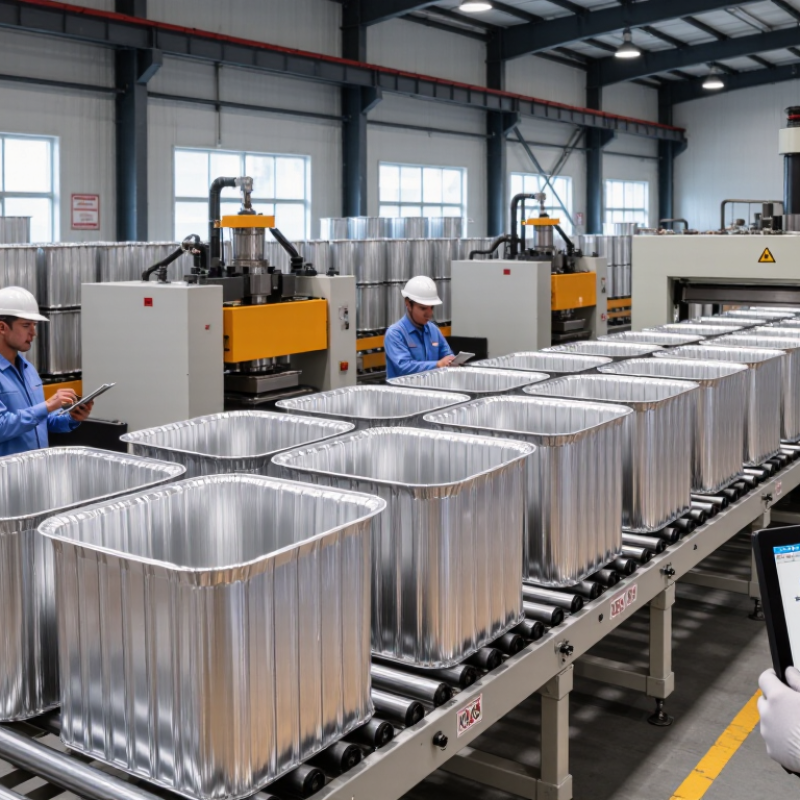
Production capacity must be verified on the factory floor. Visit the forming lines, stamping presses, and packing areas. Numbers can mislead. Review monthly output, equipment quantity, shift arrangements, and backup tooling. A reliable supplier should explain how it handles urgent orders without reducing inspection frequency. Check whether raw aluminum coils have stable thickness and documented sources. Delivery promises need evidence from recent production records.

Quality control becomes visible through small details. Inspect rim smoothness, container dimensions, foil thickness, and stacking accuracy. Sampling should occur during forming, not only before shipment. Records matter. Ask for batch codes, inspection sheets, corrective-action reports, and retention samples. Metal detectors, vision checks, and leak testing can reduce hidden defects. However, no system is perfect. Human errors still occur during packing or mold changes. A factory that openly discusses these risks often appears more credible than one claiming zero problems. Bring sample containers for practical testing under real filling, sealing, and transport conditions.

How to Select the Best Supplier for Your Business Needs

Who Is the Best Aluminum Container Supplier in China?
How to Select the Best Supplier for Your Business Needs

The best supplier is the one that consistently meets your product, volume, and delivery requirements. Start with the container itself. Request samples and check dimensions, wall thickness, rim condition, and lid fit. Ask how the supplier controls defects between production batches. A smooth sample is useful, but it proves little about a full order. I learned that the hard way.

Check whether the supplier can provide material specifications, inspection records, and traceable batch information. The International Aluminium Institute reports that recycling aluminium requires about 5% of the energy used to produce primary aluminium. This figure describes aluminium recycling generally; it does not verify a particular supplier’s recycled content or product quality. Ask for supporting documentation if recycled material matters to your business. Also compare minimum order quantities, lead times, packaging protection, and responses to complaints. A low quote may not include the cost of damaged goods or schedule changes. Before committing, consider a small trial order and record defects, delivery accuracy, and communication speed. No checklist catches everything. Your own results should guide the final decision.

Who Is the Best Aluminum Container Supplier in China? — How to Select the Best Supplier for Your Business Needs

Evaluation dimension What to check Useful target or requirement Evidence to request Suggested weight
Food-contact compliance Confirm that the container, coating, and intended use meet the rules for the destination market. Applicable requirements may include EU Regulations (EC) No 1935/2004 and (EC) No 2023/2006, or relevant U.S. FDA food-contact requirements. Current test reports and declarations identifying the product, coating, test conditions, and applicable market requirements. 20%
Quality management Review documented quality controls, traceability, corrective actions, and inspection procedures. A current ISO 9001 certificate can be a useful indicator; verify its scope and issuing certification body. Certificate, quality manual or process overview, inspection records, and sample corrective-action documentation. 15%
Product suitability Match container shape, capacity, rim, lid fit, and material specifications to the product and filling process. Agree on drawings, dimensions, tolerances, alloy or material specification, and coating requirements before production. Dimensioned drawings, material specifications, physical samples, and written confirmation of approved specifications. 15%
Testing and consistency Assess whether the supplier can check relevant performance and maintain consistent production quality. Define acceptance criteria for dimensions, appearance, coating, lid fit, and any application-specific performance tests. Pre-production samples, inspection plans, batch records, and test results against agreed criteria. 15%
Production capacity and lead time Check capacity for your order volume, seasonal demand, and replenishment schedule. Obtain written production and delivery estimates for your specific quantity, customization, and shipping terms. Production schedule, capacity details, sample order timeline, and proposed shipment plan. 10%
Pricing and total landed cost Compare the complete cost, not just the unit price. Request itemized pricing for tooling, samples, packaging, freight, duties, and payment terms where applicable. A written quotation with currency, Incoterms® rule and named place, validity period, and quantity breaks. 10%
Packaging and transport protection Check that cartons and palletization protect containers from deformation, contamination, and moisture during transit. Approve packaging specifications and labeling before shipment; confirm pallet and container-loading arrangements. Packaging photos or samples, carton specifications, and written loading and labeling details. 5%
Communication and after-sales support Evaluate responsiveness, documentation accuracy, and how quality issues are handled. Agree on response times, escalation contacts, claim procedures, and replacement or corrective-action terms. Written service terms and examples of issue-resolution procedures. 5%
Total suggested evaluation weight 100%

Use the criteria and weights as a comparison framework. Verify certificates, test reports, product samples, and commercial terms independently before placing an order.

FAQS

Why is China a major source of aluminum containers?

China produced about 41.5 million tonnes of primary aluminum in 2023. This supports broad material access and large-scale manufacturing. Production volume alone does not guarantee quality.

Which certificates and records should buyers request?

Ask for current quality-system certificates, food-contact documents, audit records, and independent laboratory reports. Check that each document matches the factory address and production scope. Expired paperwork is a warning sign.

How can a buyer check a factory’s production capacity?

Review forming lines, stamping presses, packing areas, monthly output, and shift arrangements. Recent production records help verify delivery promises. Equipment counts alone can mislead.

What details should be inspected on aluminum containers?

Check foil thickness, rim smoothness, dimensions, neck tolerances, and stacking accuracy. Measure samples from current production, not just polished prototypes. Small gaps matter.

How should quality control be verified?

Request batch codes, inspection sheets, corrective-action reports, and retention samples. Ask whether checks happen during forming and before shipment. Records should be easy to trace.

What tests are useful before placing an order?

Test filling, sealing, and closure performance. Repeat closure checks after transport simulation. For food, pharmaceutical, or cosmetic uses, request relevant migration-test results.

Do ISO 9001 certificates guarantee product quality?

No. They indicate a quality-management system, but not every container’s performance. Factory audits and product-level tests still matter.

How can buyers assess recycling claims?

Check the container’s coatings, mixed materials, design, and local recovery options. Aluminum is recyclable, but real recovery depends on these details. Claims need evidence.

Can a manufacturer guarantee zero defects?

No production system is perfect. Packing errors and mold changes can still cause problems. A supplier should explain risks and show how it corrects them.

Conclusion

An Aluminum Container is a lightweight, durable, and recyclable packaging solution widely used for food, beverages, cosmetics, pharmaceuticals, chemicals, and industrial products. When evaluating suppliers in China, buyers should consider material grade, wall thickness, forming technology, surface finish, sealing performance, and the supplier’s ability to provide customized sizes, shapes, printing, and packaging. Product consistency and suitability for the intended application are essential for long-term business success.

The best supplier should demonstrate reliable production capacity, strict quality control, and recognized certifications that support product safety and traceability. Buyers should compare manufacturers based on raw material quality, customization capabilities, delivery reliability, inspection procedures, and communication efficiency rather than focusing only on price. A practical selection process includes reviewing samples, confirming technical specifications, checking quality documentation, discussing minimum order quantities, and assessing after-sales support. By matching supplier strengths with specific business requirements, companies can build a stable supply chain and obtain aluminum containers that offer dependable performance and commercial value.

Noah

Noah

Noah is a skilled marketing professional with a wealth of expertise in the aluminum foil container industry. Situated within a leading industrial cluster, Noah leverages local resources and technical know-how to deliver high-standard solutions to the global market. With a deep understanding of the......
Previous Why Choose Aluminum Containers for Global Packaging?