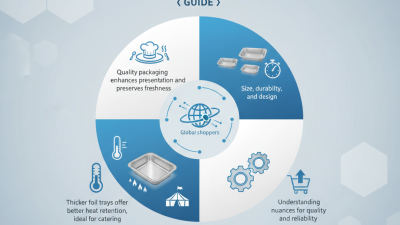
As the world’s craving for sustainable packaging keeps growing, the Aluminum Food Container industry is definitely stepping into the spotlight. A report from Smithers Pira predicts that by 2026, this market could hit around $5.2 billion. That’s quite a jump and really highlights how more folks are leaning toward lightweight, recyclable options when it comes to food packaging.
Industry expert John Matthews points out, “The versatility of Aluminum Food Containers makes them a go-to choice across different sectors.” And honestly, they’re pretty impressive — durable, good at preserving food quality, and they help cut down on waste. But, it’s not all smooth sailing. Companies still have to juggle issues like high production costs and environmental worries.
On top of that, there’s some concern about recycling. Not everyone’s on the same page about how to recycle these containers, which can slow things down. Solving this puzzle is super important if we want products like Food Grade Aluminum Foil Containers to really shine in the future. Looking ahead to 2026, it’s key to recognize both what’s working well and where there’s room for improvement — only then can we build a more responsible and sustainable packaging game plan.
Overview of Aluminum Food Containers in 2026
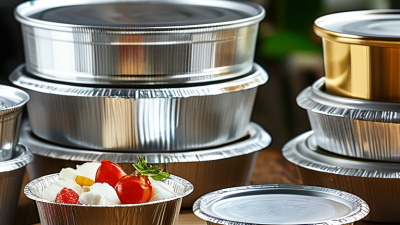
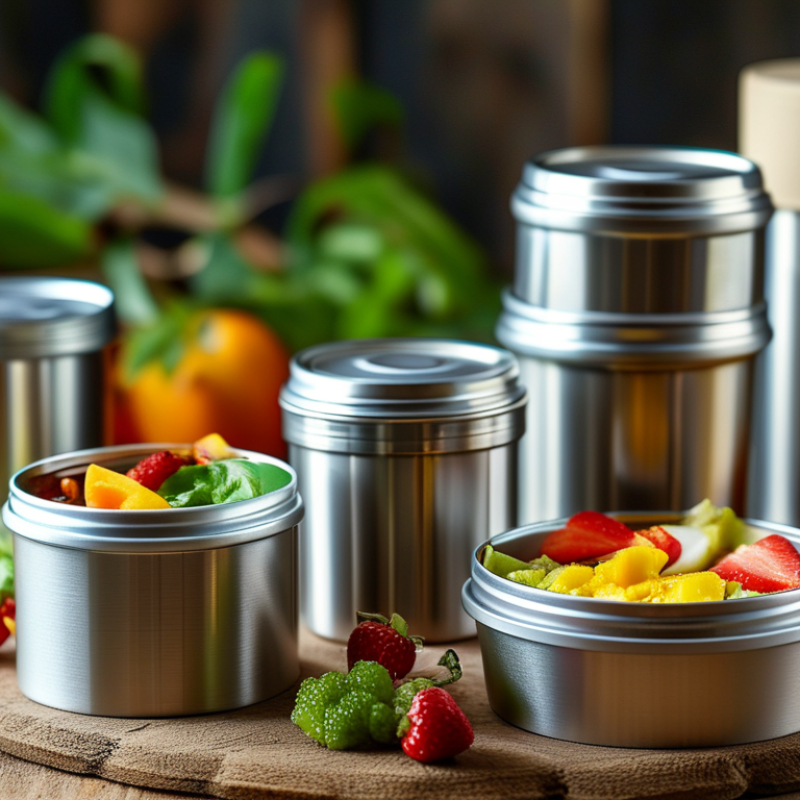
Aluminum food containers have gained popularity due to their lightweight, durability, and recyclability. In 2026, these containers are expected to be essential for both home and commercial use. They are ideal for preserving food freshness and maintaining taste. With increasing awareness about environmental responsibility, aluminum containers attract more global buyers seeking sustainable solutions.
When selecting aluminum food containers, consider the size and shape that suit your needs best. Think about the types of food you will store. Smaller containers work well for snacks, while larger ones are perfect for meal prep. Remember, not all aluminum containers are microwave safe. Check product labels and guidelines carefully before use.
Using Paper Container Food alongside aluminum options can enhance food storage strategies. This combination allows for versatile packing solutions. Keep in mind, however, that not all paper containers have the same quality. Look for ones that are grease-resistant and suitable for hot foods. Lastly, recycling options vary by location, so be sure to understand your local recycling guidelines.
2026 Best Aluminum Food Container Options for Global Buyers
This chart represents the distribution of various types of aluminum food containers that are expected to dominate the market in 2026. The data reflects different categories of aluminum food containers based on their usage and popularity among global buyers.
Key Features to Consider When Choosing Aluminum Food Containers
When selecting aluminum food containers, several key features should guide your choices. Consider the container’s size and shape. Various dimensions affect storage and transportation. Opt for containers that stack easily, maximizing space efficiency. Check if they are leak-proof. Opt for designs that seal well to avoid spills.
Durability is essential too. High-quality aluminum can resist dents and withstand temperature changes. Look for thickness as a sign of durability. Some options may appear sturdy but may not hold up over time. Environmental considerations are also important. Many manufacturers now offer recyclable aluminum options, reducing your carbon footprint.
Think about how these containers will be used. Will they be for hot or cold items? Insulation features matter in those cases. Evaluate whether you need microwave-safe options as well. Ultimately, test a few options to find what works best in your kitchen. It’s important to reflect on these choices to ensure you meet your own needs effectively.
Top Aluminum Food Container Brands for Global Buyers
The aluminum food container market is expanding rapidly, driven by the shift toward sustainable packaging solutions. Research indicates that the global aluminum packaging market is expected to reach $130 billion by 2026, reflecting a growing preference among consumers for recyclable materials. Aluminum containers are lightweight and durable, offering efficient storage options. For global buyers, understanding the top aluminum food container brands is essential.
When selecting an aluminum food container, consider key factors like durability, insulation, and recyclability. Industry experts suggest that products with a high recyclability rate stand out in today's market. However, not all containers labeled recyclable truly meet these standards. A recent study highlights that only about 50% of aluminum products are effectively recycled worldwide. This raises questions about the authenticity of packaging claims.
Quality varies significantly among manufacturers. Buyers should be cautious, as some containers may not perform well in temperature control. For instance, while a Silver Food Container could provide excellent insulation, it’s crucial to verify its efficiency through reliable reviews and performance data. Transparency from producers about their production processes is vital to build trust with consumers.
Sustainability and Environmental Impact of Aluminum Containers
Aluminum food containers are gaining attention for their sustainability and environmental impact. They are lightweight, durable, and recyclable. Unlike plastic, aluminum can be recycled indefinitely without losing quality. This aspect greatly reduces waste in landfills. Recycled aluminum also uses 95% less energy than creating new aluminum. Thus, using aluminum containers contributes to a circular economy.
However, it is crucial to reflect on the entire lifecycle. The extraction and production of aluminum can cause significant ecological damage. Mining bauxite, the primary ore for aluminum, often leads to deforestation and habitat loss. That’s a valid concern for consumers looking to reduce their footprint. Educating oneself on the source of aluminum used in food containers is vital.
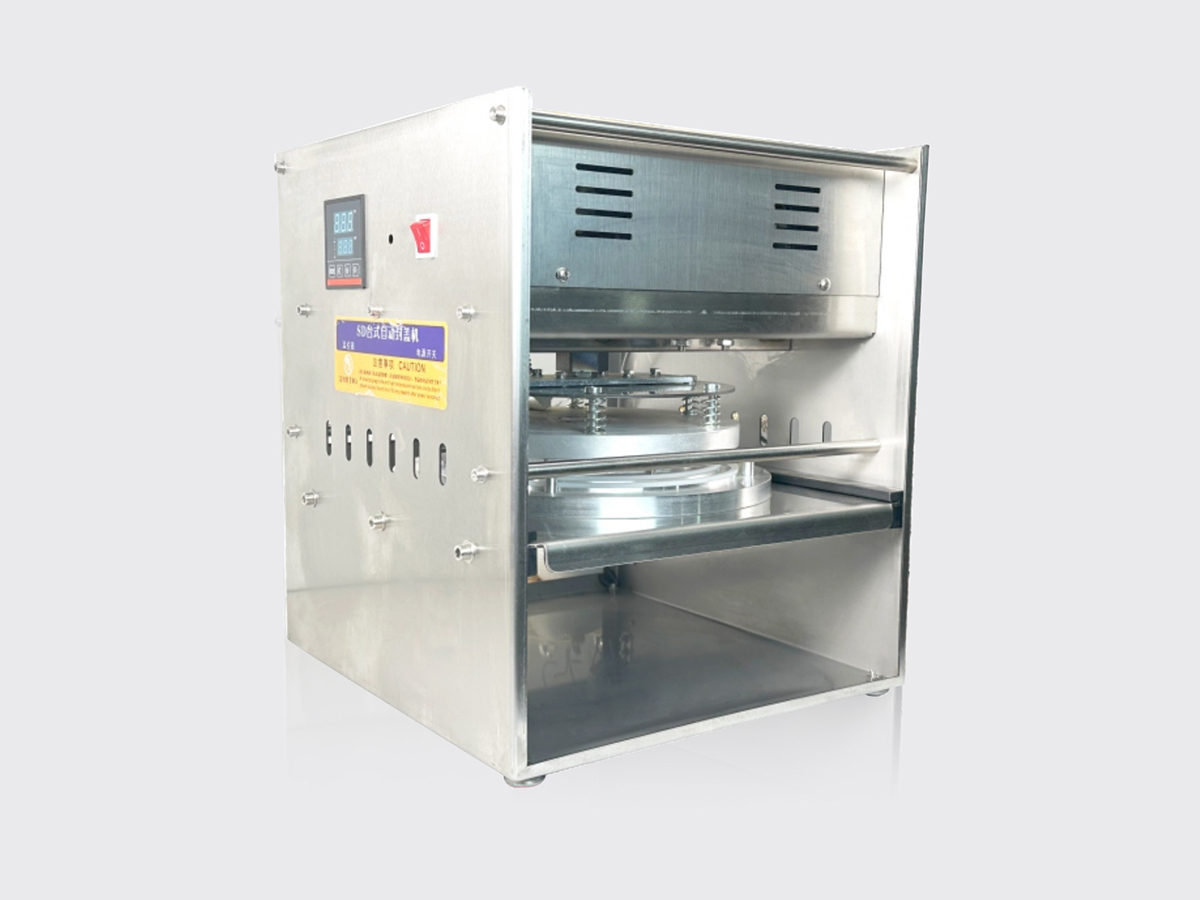
Tips for sustainable use include choosing containers made with recycled aluminum. Always ensure proper disposal or recycling after use. For longer freshness, consider using a Food Container Sealer to preserve your meals effectively. These practices minimize the overall environmental impact and promote responsible consumption. Remember, every small decision counts.
2026 Best Aluminum Food Container Options for Global Buyers
| Container Type |
Size (ml) |
Sustainability Rating |
Recyclability |
Average Cost ($) |
| Takeout Container |
750 |
A |
Yes |
0.50 |
| Baking Tray |
2000 |
B |
Yes |
1.20 |
| Foil Wrap |
150 |
A |
Yes |
0.10 |
| Food Storage Container |
500 |
A |
Yes |
0.80 |
| Catering Tray |
3000 |
B |
Yes |
2.50 |
Comparative Analysis of Prices and Performance
When evaluating aluminum food containers in 2026, buyers must balance price against performance.
Industry reports indicate a strong demand for lightweight yet durable options.
A recent survey revealed that nearly 70% of users prefer containers that maintain food temperature effectively.
Temperature retention is critical for both quality and safety, especially in food delivery and storage sectors.
Price analysis shows a diverse range of aluminum containers available in the market.
Economical choices start around $0.50 per unit.
High-performance variants cost up to $2.00 each.
The performance metrics often hinge on features such as insulation, seal quality, and reusability.
Some premium products claim to offer better thermal properties, but this often comes at a higher price point.
Not all buyers see substantial benefits in such investments, leading to a questioning of long-term value.
Sustainability is also part of the conversation. Aluminum is recyclable, yet the initial production process is energy-intensive.
Reports from environmental agencies highlight that this can negate some eco-friendly claims.
Buyers must reflect on their choices. Performance alone does not guarantee effectiveness.
Brands often use jargon that may mislead consumers about actual benefits.
Clear comparisons based on reliable data can help buyers make informed decisions, ensuring they choose options that best meet their needs.
Consumer Reviews and Ratings of Leading Aluminum Food Containers
When selecting aluminum food containers, consumer reviews are invaluable. Shoppers often highlight the durability of these containers. Many appreciate their lightweight nature, making them easy to transport. Some users note that the containers are reusable, reducing waste. However, reports of scratching and denting do arise. This can affect their longevity and appeal.
A deep dive into consumer ratings reveals interesting trends. Many buyers comment on the versatility of these containers. They can be used for both hot and cold food. Yet, some users express concern about heat retention. Frequent use may lead to warping or other structural issues. Feedback often mentions the lids, too. Some find them sealing effectively, while others experience leaks. This inconsistency prompts reflection on manufacturing quality.
Overall, consumer insights illustrate a mix of strengths and weaknesses in aluminum food containers. Shoppers value functionality but wish for improved durability. Consideration of these points can guide future purchases.
Future Trends in Aluminum Food Container Innovation
Innovations in aluminum food container design are shaping the future of food packaging. The industry is focusing on sustainability and recyclability as key drivers. More manufacturers are adopting eco-friendly practices, aiming to reduce waste. This trend reflects a growing consumer demand for products that are both practical and environmentally responsible.
As consumers become more health-conscious, the need for safer materials rises. Aluminum food containers are lightweight yet durable. They provide a reliable barrier against moisture and contaminants. This enhances food safety. However, challenges remain. Some might worry about the potential leaching of aluminum into food. Continuous research is necessary to address these concerns and improve safety standards.
The rise of smart packaging is also noteworthy. Integrating technology like QR codes into aluminum food containers can enhance user interaction. This feature allows for better tracking of food freshness and sourcing. Yet, not all innovations reach the market. There is often a gap between development and consumer acceptance. Companies must navigate this carefully. The future of Container Food Packaging hinges on balancing innovation with consumer trust and regulatory standards.
Market Trends and Consumer Preferences in Eco-Friendly Packaging: Spotlight on Extra Deep 101oz Gold Foil Containers
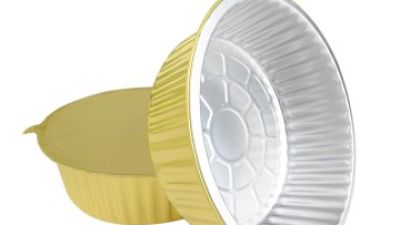
In recent years, there has been a notable shift in market trends favoring eco-friendly packaging, a response to consumer preferences that increasingly emphasize sustainability and environmental consciousness. The demand for packaging solutions that minimize ecological footprints has surged, prompting businesses to explore innovative materials and designs. One such solution is the Extra Deep 101oz Gold Foil Container, which not only offers an elegant presentation but also maintains the required functionality for various food items, catering to both aesthetic and practical needs.
The 3000ML capacity of these containers makes them ideal for a wide range of uses, from catering services to meal prep for health-conscious consumers. Their eco-friendly materials align well with the growing preference for sustainable living, while the gold foil adds a touch of luxury, making it suitable for upscale events. As consumers become more discerning about their choices, products like the Extra Deep 101oz Gold Foil Container stand out by combining style with eco-responsibility, aligning perfectly with the trend towards more thoughtful and environmentally friendly purchasing decisions.
FAQS
: Consider size, shape, and leak-proof features. Choose containers that stack easily for efficient storage.
Durability is essential. Look for thicker materials that can withstand temperature changes and resist dents.
Not all containers labeled recyclable truly meet standards. Only around 50% of aluminum products are effectively recycled worldwide.
Check reliable reviews and performance data. Testing different options helps identify what works best for your needs.
Prices range from $0.50 to $2.00 per unit. Factors include insulation quality, seal effectiveness, and reusability.
Check product specifications for microwave safety. Not all aluminum containers are suitable for microwave use.
Yes, while aluminum is recyclable, the production process is energy-intensive. Reflect on these aspects when making choices.
Not always. Premium products may offer better insulation, but the benefits can vary. Evaluate if it fits your needs.
Compare performance metrics against price. Clear comparisons can prevent falling for misleading marketing claims.
Obtain feedback from other users and seek data-driven reviews. It’s vital to ensure quality before large purchases.
Conclusion
The article titled "2026 Best Aluminum Food Container Options for Global Buyers" provides a comprehensive overview of aluminum food containers, highlighting their key features and advantages for consumers in 2026. It discusses crucial aspects to consider when selecting aluminum food containers, such as durability, heat resistance, and reusability. The article also examines the sustainability and environmental impact of aluminum materials, reinforcing the trend towards eco-friendly packaging solutions.
In addition, the piece offers a comparative analysis of prices and performance, showcasing various options available in the market. Consumer reviews and ratings further guide buyers in making informed decisions. Finally, it addresses future trends in aluminum food container innovation, emphasizing the ongoing development in design and functionality to meet diverse global demands. Overall, this article serves as a valuable resource for anyone looking to invest in high-quality aluminum food containers in 2026.

 Foil Container
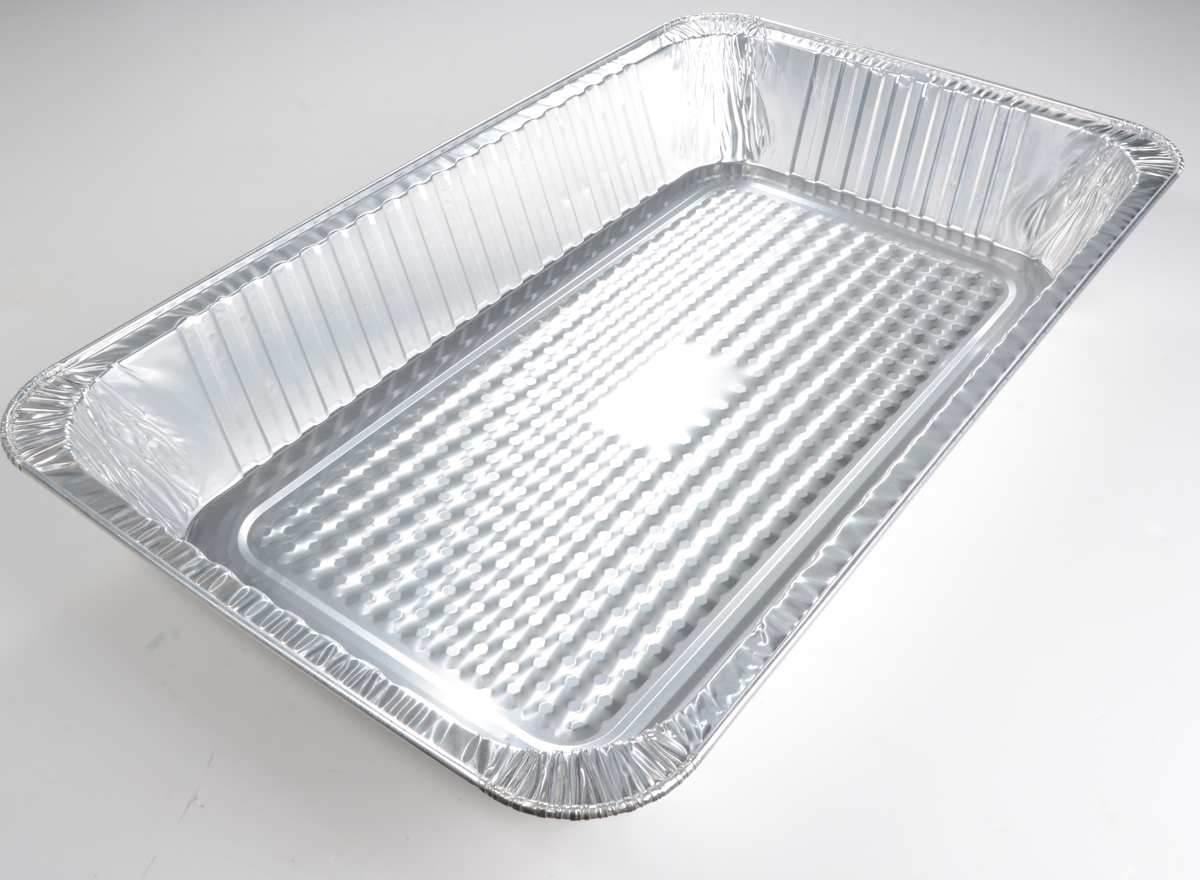 Baking Pan
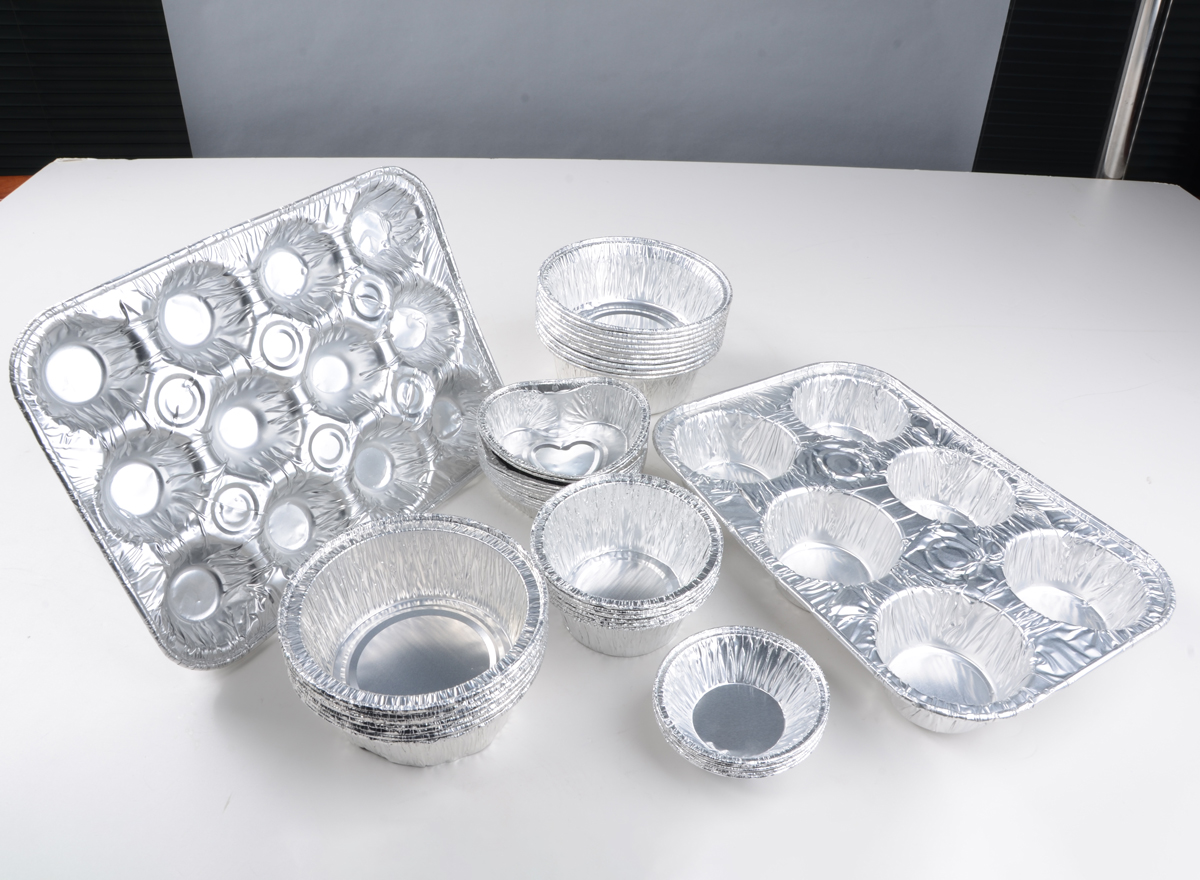 Baking Cup
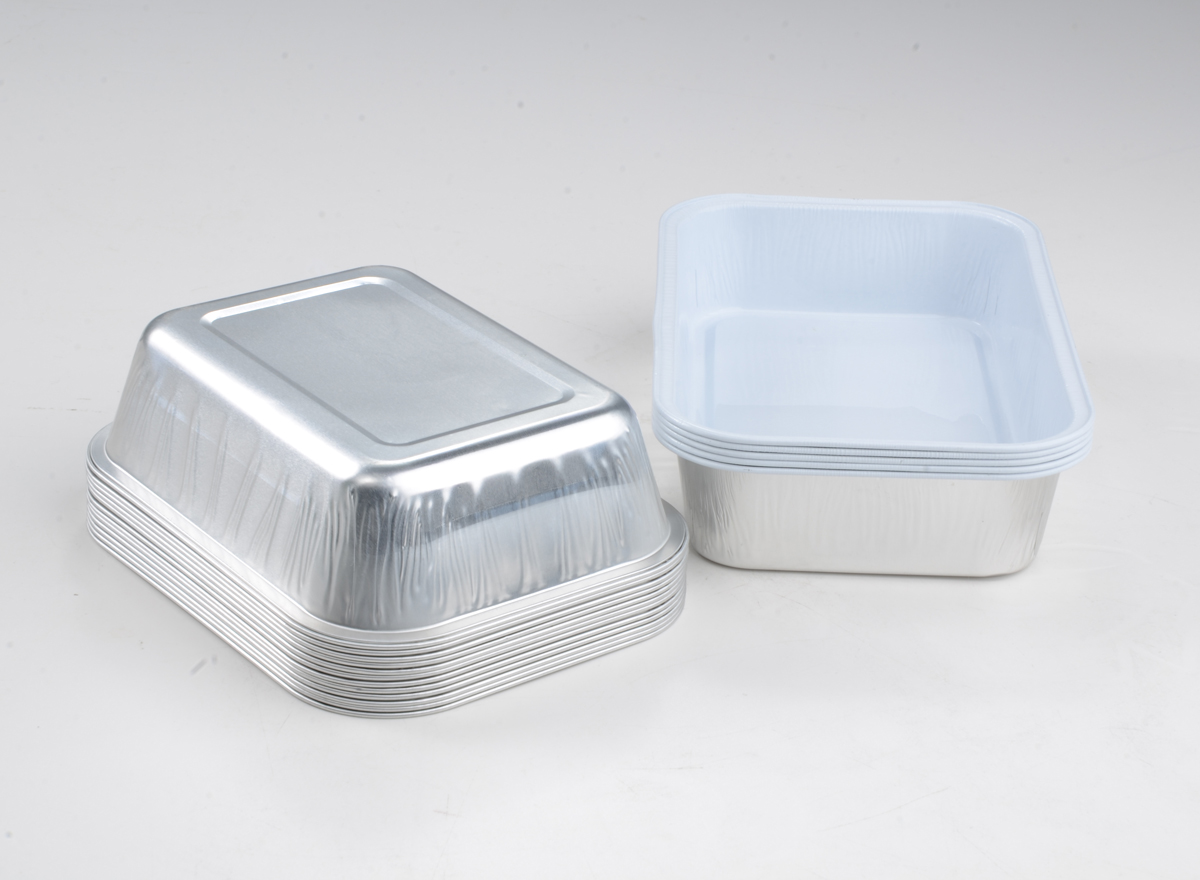 Airline Container
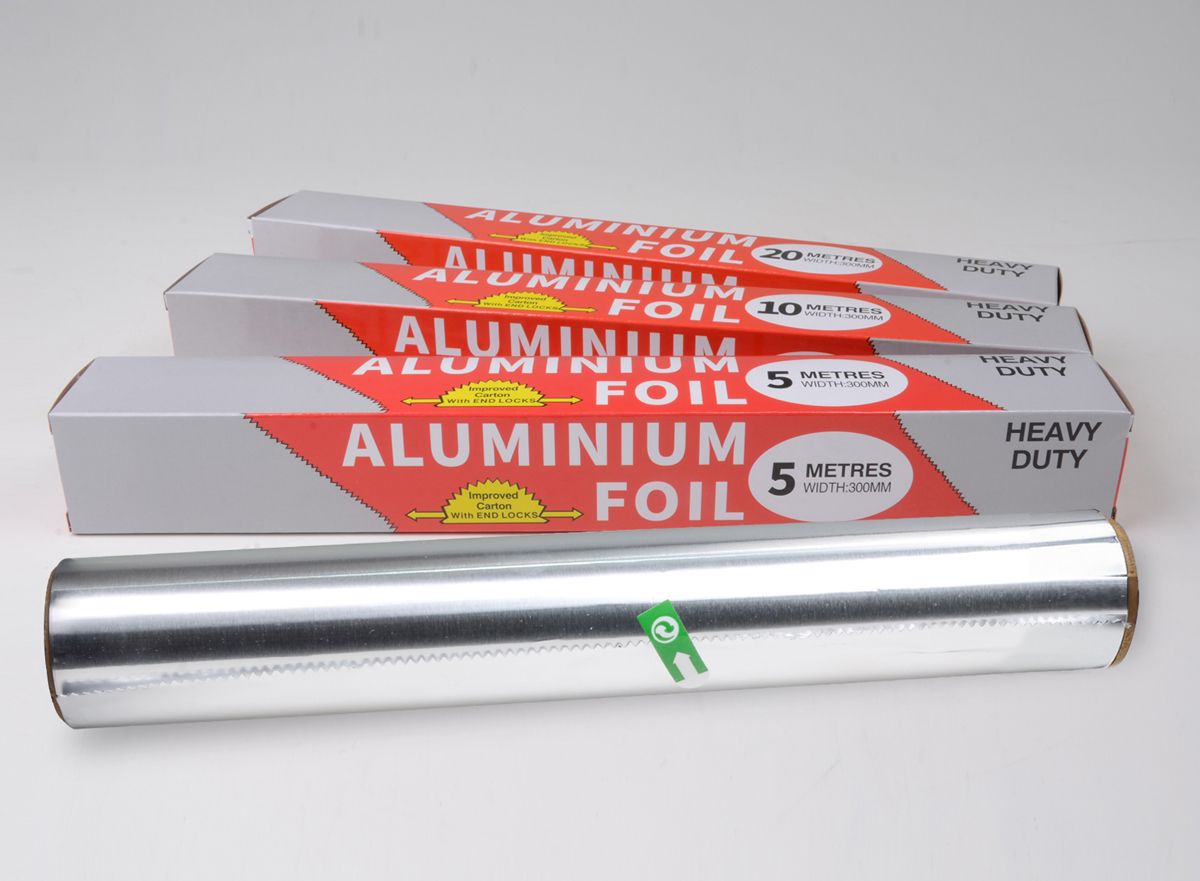 Foil Kitchen Rolls
 Hairdressing Foil
 Foil Wrapping Sheets