Colored Aluminum Foil is basically a thin sheet of aluminum that's finished with colorful coatings, inks, or anodized surfaces. It’s a pretty versatile material—offering both a barrier to protect what's inside and a visual touch that can help products stand out. You’ll see it used for stuff like food lids, pharmaceutical packaging, gift wraps, labels, insulation layers, and decorative laminates. The color isn’t just for looks though; it can help products stand out on the shelf, but the foil also needs to stand up to heat, moisture, scratches, and contact with other products.
According to Grand View Research, the global aluminum foil market hit around USD 26.6 billion in 2023, and it’s expected to keep growing through 2030—mainly because of packaging and pharma demand. But here’s the thing: colored foil is just a small piece of that bigger market. Public reports often don’t break down the numbers specifically for colored foil, which makes it tricky to know exactly how big that segment is.
The International Aluminium Institute points out that about 75% of all aluminum ever made is still in use today. Recycling depends on good collection systems, separating different alloys, and proper coating treatments. While colored coatings don’t automatically make foil non-recyclable, contamination from inks or coatings can make recycling tougher and lower the quality of recovered material. So, testing in real-world conditions is super important.
Guido Aufdemkamp from the European Aluminium Foil Association mentioned that aluminum foil is a renewable, endlessly recyclable material that keeps its qualities no matter how many times it’s recycled. That’s a good principle for designing colored foil responsibly. But it’s also vital to not just rely on the marketing shine—products need to be safe, with verified coatings, consistent thickness, good adhesion, and clear recycling instructions. For example, a bright red foil lid might catch your eye in a store, but if the ink smudges or transfers during sealing, it’s a fail. The technology’s definitely useful, but it’s not perfect. Manufacturers really should do thorough tests under real production conditions before making claims about performance or eco-friendliness.
Definition and Basic Characteristics of Colored Aluminum Foil
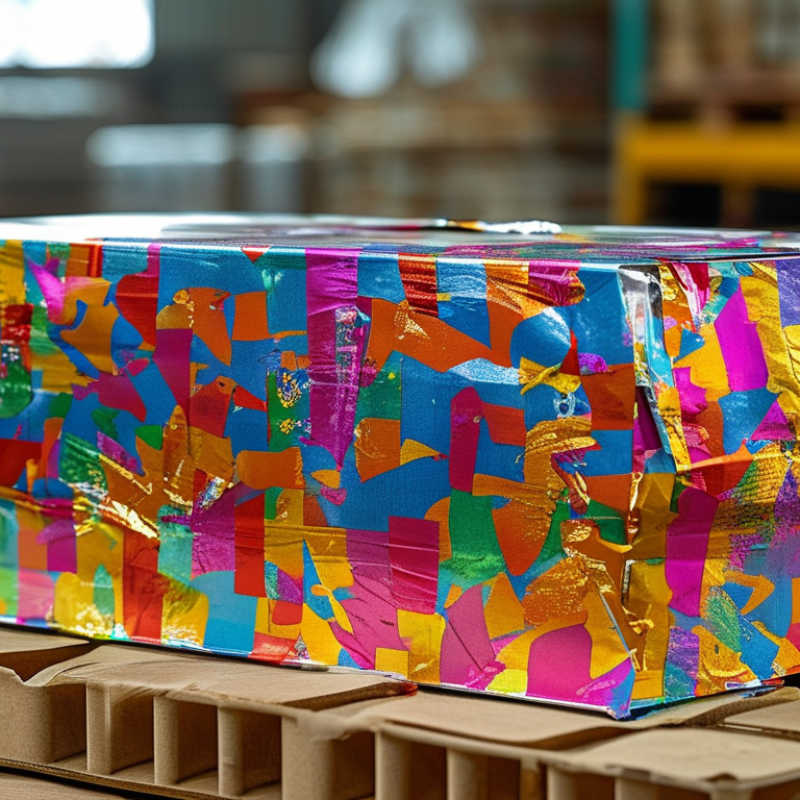
Colored Foil, also called colored aluminum foil, is thin aluminum foil with a treated or printed surface. The metal core remains lightweight, reflective, and easy to shape. Its visible color usually comes from a lacquer, pigment coating, laminated film, or printed layer. This finish can be applied to one side or both sides. The color is not only decorative. It may improve product identification, surface protection, and visual consistency during packaging.
Colored aluminum foil still offers useful barriers against light, moisture, oxygen, and certain odors. Its exact performance depends on alloy, thickness, temper, coating, and sealing method. Some coated surfaces tolerate heat well, while others may discolor or soften. That detail matters. In practical production, technicians check coating adhesion, color uniformity, pinholes, and seal strength. For food or pharmaceutical packaging, suitable contact testing and migration assessment are essential. Colored Foil may appear simple, but its construction requires careful specification.
Common uses include gift wrapping, flexible pouches, labels, decorative panels, insulation layers, and household craft projects. A deep red surface can make a small package look premium, while a matte silver finish reduces glare. However, no colored coating is permanent. Scratches, strong chemicals, sunlight, or repeated bending can change its appearance. It is easy to overstate its durability. The right grade must match the temperature, contact conditions, and expected handling.
How Colored Aluminum Foil Is Manufactured
Colored aluminum foil begins as a thin aluminum sheet, usually produced through repeated rolling. Each pass reduces its thickness and improves its surface smoothness. Controlled heat treatment softens the metal between passes. This step prevents cracking and helps maintain consistent flexibility. The foil is then cleaned to remove rolling oils, dust, and microscopic residue. A clean surface is essential.
Manufacturers commonly apply a colored lacquer or printed coating to one side. The coating may contain pigments, resins, and additives that improve adhesion and color stability. Precision rollers spread a very thin layer across the foil. Drying ovens then cure the coating under controlled temperatures. Excessive heat can weaken the foil or change the shade. Small flaws matter.
Quality teams inspect color, thickness, gloss, adhesion, and pinholes. They may rub the surface, bend samples, or use instruments to compare color values. Production conditions still require judgment. Humidity, roller pressure, and curing time can affect the final appearance. A bright red sample may look different under warehouse lighting. That detail is easy to overlook.
After testing, the finished foil is slit into narrower rolls or cut into sheets. It can support decorative packaging, labels, craft work, insulation facing, and some food-contact applications when approved coatings are used. Not every colored foil suits every purpose. Users should check coating specifications, temperature limits, and contact requirements before selecting it.
Common Colors, Finishes, and Surface Treatments
Colored aluminum foil combines a thin aluminum barrier with a controlled decorative surface. Common colors include silver, gold, black, red, blue, and green. Silver exposes aluminum’s natural metallic appearance, while darker shades create stronger contrast on labels and gift packaging. According to the International Aluminium Institute, global primary aluminum production reached about 70.6 million tonnes in 2023. Only a small share becomes foil, yet its low weight and barrier performance support wide packaging use.
Finishes change how color behaves under light. Glossy foil reflects sharply, like a small mirror. Matte foil softens reflections and feels more understated. Brushed, embossed, and hairline finishes add visible texture without adding much thickness. Surface treatments may include protective varnish, primer, anodizing, or heat-sealable coatings. These layers improve ink adhesion, scuff resistance, and contact with paper or plastic. Colored Foil Paper usually refers to foil laminated with paper, creating a printable and tactile sheet.
Technical data still needs careful reading. A 2023 European Aluminium packaging report recorded an aluminum packaging recycling rate of about 55% in Europe, showing progress but also a clear gap. Coatings, adhesives, and mixed materials can complicate recovery. That detail is easy to overlook. In production, color matching may shift after curing, embossing, or folding. A sample can look perfect under showroom lights, then appear dull near a window. The practical answer is simple: test the actual finish, substrate, and lighting before approving large volumes.
What Is Colored Aluminum Foil and What Is It Used For?
Colored aluminum foil is aluminum foil with a colored lacquer, coating, ink, or laminated layer. Its final appearance may be glossy, matte, brushed, embossed, or metallic. The chart shows representative thickness ranges commonly used for different foil applications.
How to read the chart: Thinner foil is commonly used for flexible wrapping and packaging, while thicker foil provides greater strength for blister packs, containers, and insulation laminates. Colored surfaces are mainly selected for appearance, product identification, printability, protection, or branding-free decorative effects.
Key Properties of Colored Aluminum Foil
Colored aluminum foil combines a thin aluminum layer with a printed, dyed, or coated surface. Its core properties remain aluminum’s key advantages: low weight, high reflectivity, and strong protection against light, oxygen, moisture, and odors. European Aluminium reports that packaging foil can be only a few micrometres thick, yet it still provides an effective barrier when properly converted. That matters.
The color mainly improves identification, decoration, and surface protection. A heat-resistant coating can reduce scuffing during handling, while a darker finish may absorb more radiant heat than a bright finish. However, color is not proof of performance. Seal strength, coating chemistry, foil thickness, and pinhole control matter more. The International Aluminium Institute reports that recycling aluminum can save up to 95% of the energy used for primary production. Still, coated foil may need suitable sorting and recovery systems. Real-world recyclability depends on local facilities. This point is often overlooked.
Tips: Check the technical datasheet before choosing colored foil. Confirm thickness, temperature limits, food-contact suitability, coating adhesion, and barrier values. For packaging, test the finished structure, not the foil alone. A beautiful surface can hide weak seals. ASTM testing methods and supplier quality records can support these checks, but they do not replace practical trials. A short storage test may reveal fading, curling, or moisture migration.
Major Uses Across Packaging, Crafts, and Industry
What Is Colored Aluminum Foil and What Is It Used For?
Colored aluminum foil is thin aluminum foil treated with a colored coating, lacquer, or laminated layer. The finish may be glossy, matte, metallic, or softly textured. Its color improves visual appeal, but it can also support identification and surface protection. Material performance depends on thickness, coating type, and production quality.
In packaging, colored foil helps products stand out on crowded shelves.
It can wrap confectionery, tea, specialty foods, and gift items. The aluminum layer blocks light, oxygen, moisture, and some odors when properly sealed. However, not every colored foil is suitable for direct food contact. Packaging engineers must check coating data, migration requirements, and sealing performance before approval. A bright surface alone proves very little.
Craft users often choose
Colored Foil Sheets
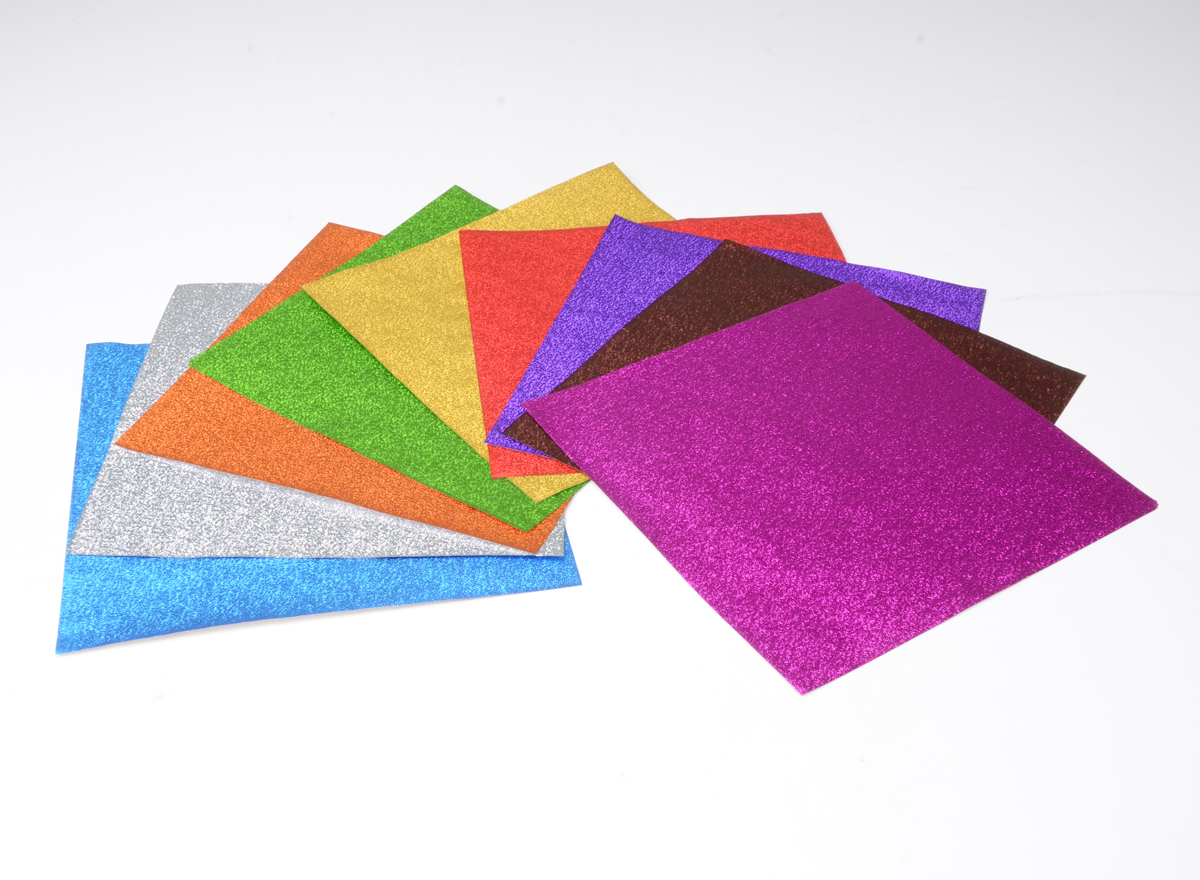
for greeting cards, ornaments, classroom models, and paper sculpture. The sheets cut cleanly and hold crisp folds. A small silver edge can make a handmade star look more dimensional. Children should use rounded scissors and receive suitable supervision. The foil may crease permanently, which is useful for texture but frustrating for corrections.
Industry uses colored foil for decorative panels, labels, insulation facings, and controlled visual marking.
In electrical and thermal applications, engineers examine conductivity, heat resistance, adhesion, and durability. Color may fade under sunlight or weaken after repeated bending. That limitation deserves attention. A practical material choice should consider the full service environment, not appearance alone.
Advantages and Limitations of Colored Aluminum Foil
Colored Aluminum Foil is aluminum foil finished with a colored lacquer, ink, or protective coating. It keeps aluminum’s light-blocking and moisture-resistant properties. Common uses include gift wrapping, pharmaceutical packaging, bakery decoration, insulation layers, and decorative labels. On a converting line, the surface can be printed, laminated, or embossed.
The main advantage is visual control. Red, gold, or matte black surfaces can improve shelf recognition and hide minor handling marks. Aluminum also forms a strong barrier against light, oxygen, and water vapor. The International Aluminium Institute reports that recycling aluminum can save up to 95% of the energy needed for primary production. However, recyclability depends on local collection systems and coating separation. Colored foil is not automatically recyclable everywhere. European Aluminium reported a 55% aluminum packaging recycling rate in Europe for 2020, showing progress but also a clear gap.
Limitations appear during processing. Thick coatings may crack when the foil is folded sharply, exposing silver-colored lines underneath. Dark pigments can absorb more heat during sealing, causing uneven bonding or curling. Small pinholes may remain invisible until moisture reaches the package. Production teams should test color migration, coating adhesion, seal strength, and recyclability before large-scale use. A 2023 flexible-packaging industry report also identifies sustainability claims as a growing specification issue, not a finished solution. In practice, a brighter appearance can require extra coating layers, more ink, and harder sorting. That trade-off deserves honest review.
Why Customizable 22oz Silver Foil Trays Are Ideal for Stir-Fry Noodles and Curry Rice Bowls
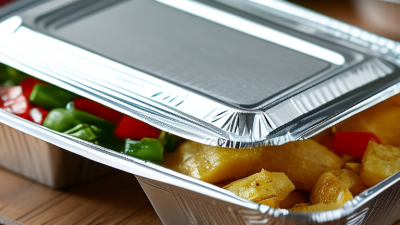
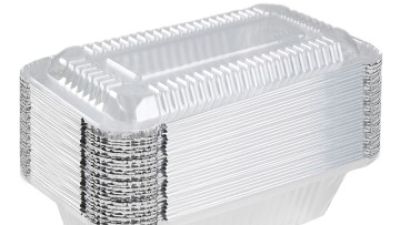
Customizable 22oz silver foil trays, holding approximately 650ML, provide a practical format for serving stir-fry noodles and curry rice bowls. Their wide, shallow profile distributes food evenly, making noodles easier to mix with vegetables, sauces, and proteins while giving curry rice enough surface area for balanced portions. The reflective foil appearance also creates a clean, premium presentation, while printed lids, labels, or sleeves can display ingredients, reheating instructions, and portion information without changing the tray’s functional design.
This format aligns with broader foodservice packaging trends. Grand View Research estimates that the global foodservice packaging market was valued at approximately USD 67 billion in 2023, with continued growth expected through the decade, driven partly by takeaway meals and delivery services. The 650ML capacity supports controlled portioning and efficient packing, while the rigid foil structure helps reduce crushing during transport. For saucy dishes such as curry rice, compatible lids can improve spill resistance and preserve temperature during short-distance delivery.
According to Smithers’ *The Future of Global Packaging to 2028*, convenience, portability, and packaging performance remain major development priorities in food packaging. Customizable silver foil trays meet these needs by combining reliable heat tolerance with flexible presentation options. They are suitable for meal preparation, catering, takeaway counters, and delivery menus, although reheating instructions should clearly state that foil containers are not intended for microwave use.
FAQS
: It is thin aluminum foil with a colored coating, printed layer, lacquer, or laminated film. The aluminum remains lightweight, reflective, and easy to shape. Color adds identification and decoration.
Yes, it can help block light, moisture, oxygen, and certain odors. Performance depends on thickness, alloy, coating, and sealing. Color alone proves nothing.
Aluminum is rolled repeatedly until it reaches the required thickness. It is cleaned, coated, dried, inspected, and slit into rolls or sheets. Small flaws matter.
The coating may cover one side or both sides. The required design depends on appearance, handling, and contact conditions. Check the specification carefully.
Common uses include gift wrapping, flexible pouches, labels, panels, insulation layers, and craft projects. A deep red surface can make a small package look more premium. Looks can mislead.
Some grades may suit food or pharmaceutical packaging after proper approval. Users should confirm contact testing, migration assessment, coating chemistry, and temperature limits. Do not assume suitability.
Resistance varies by coating type and curing process. Some surfaces tolerate heat, while others may soften, fade, or discolor. Scratches and repeated bending can damage the finish. Durability is not permanent.
Test the complete package, not only the foil. Check color uniformity, thickness, pinholes, adhesion, seal strength, and barrier performance. A short storage trial may reveal fading, curling, or moisture movement. This step is easy to skip.
Conclusion
Colored Aluminum Foil is aluminum foil coated or treated with colored finishes to improve its appearance, surface performance, and suitability for specific applications. It is manufactured by cleaning and preparing the aluminum, applying a colored coating or surface treatment, and then curing or finishing the material to achieve consistent color, adhesion, and durability. Available in many shades, it may have matte, glossy, metallic, textured, or printed surfaces. These treatments can improve resistance to moisture, light, oxidation, and handling while preserving aluminum’s lightweight, flexible, and barrier properties.
Colored Aluminum Foil is widely used in decorative packaging, gift wrapping, labels, craft projects, artistic designs, insulation components, and selected industrial products. Its main advantages include visual appeal, easy shaping, low weight, recyclability, and protection against external conditions. However, its performance depends on coating quality and usage requirements. It may be vulnerable to scratching, bending, or color changes under harsh conditions, and some finishes can increase production costs or complicate recycling.

 Foil Container
 Baking Pan
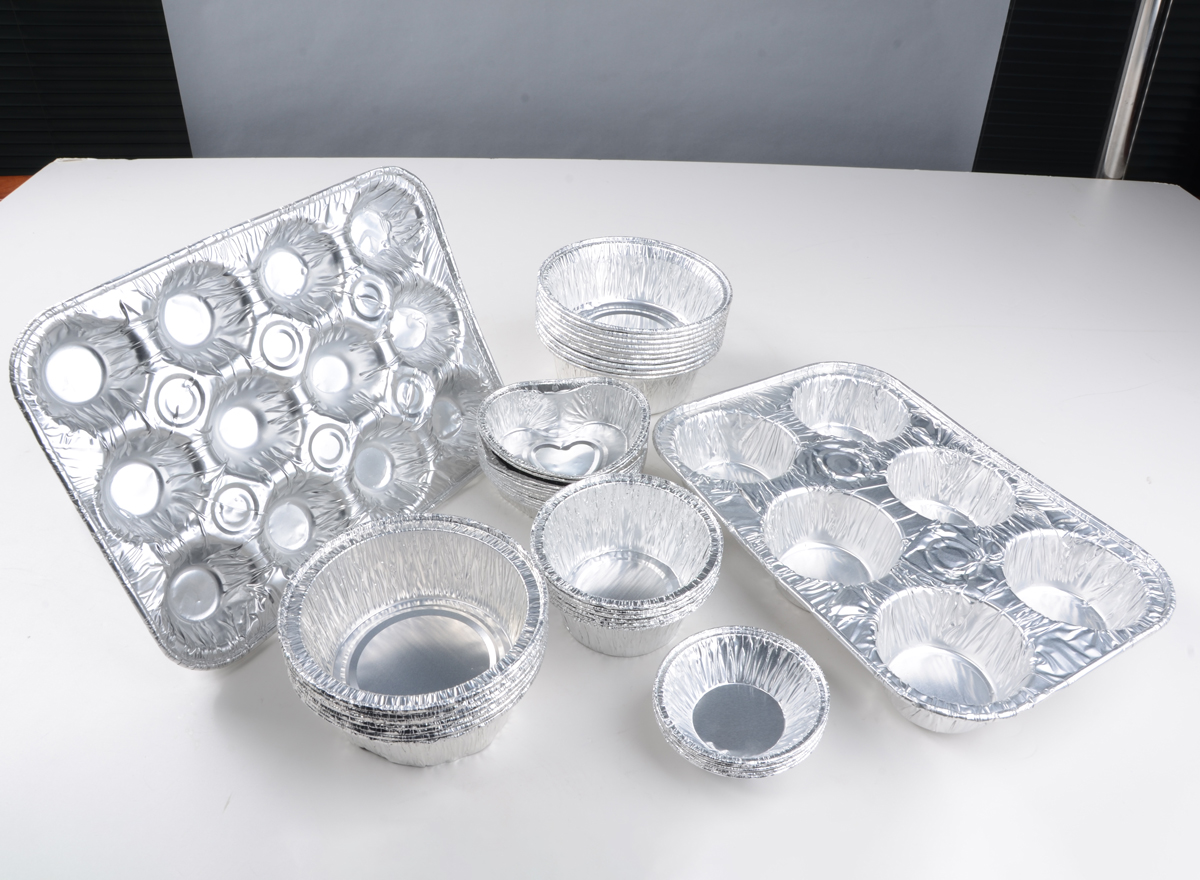 Baking Cup
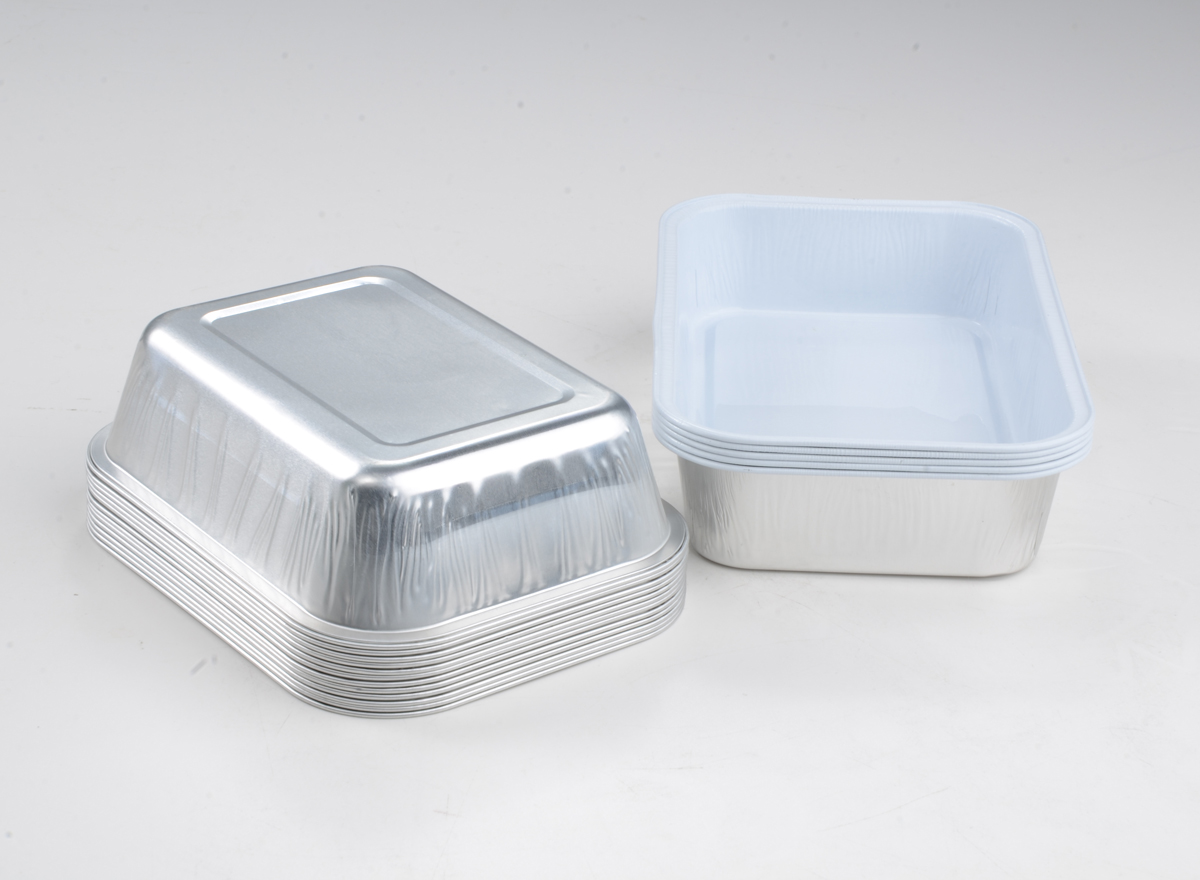 Airline Container
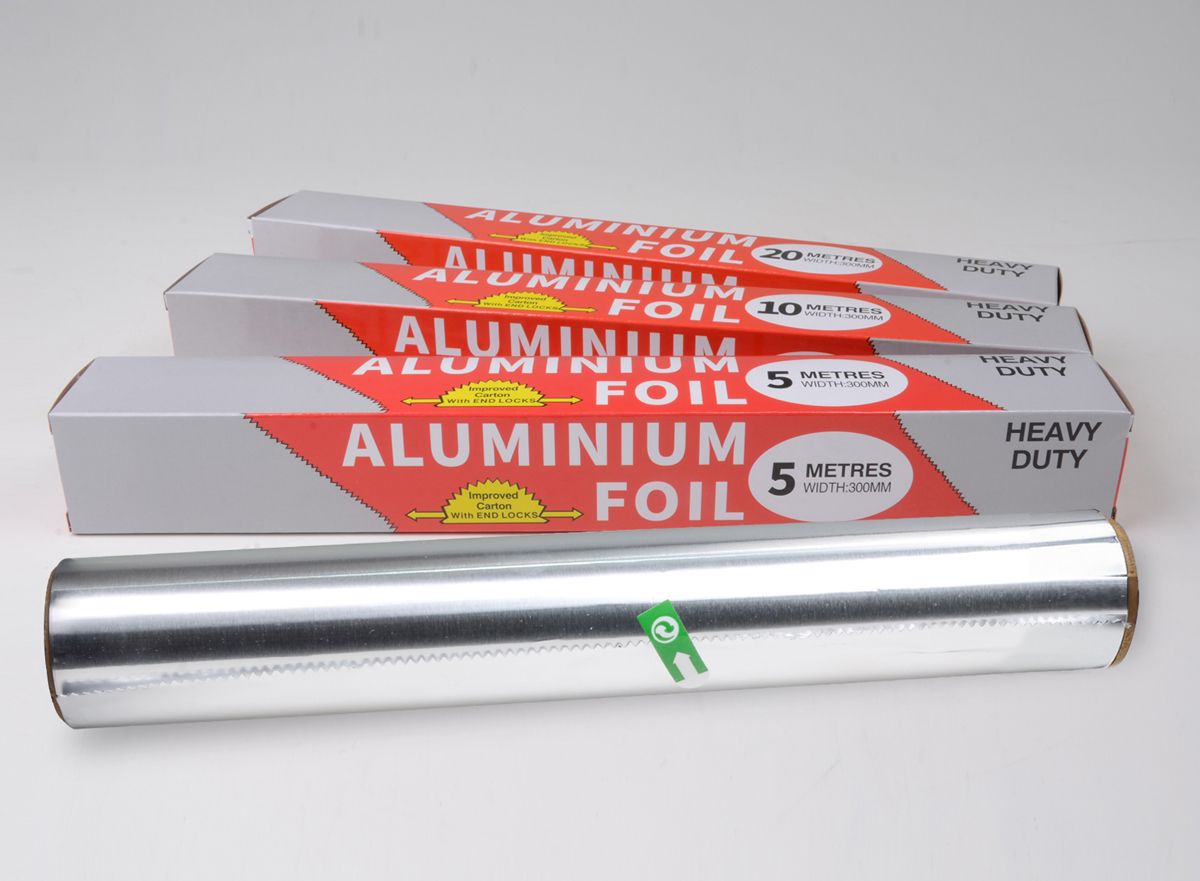 Foil Kitchen Rolls
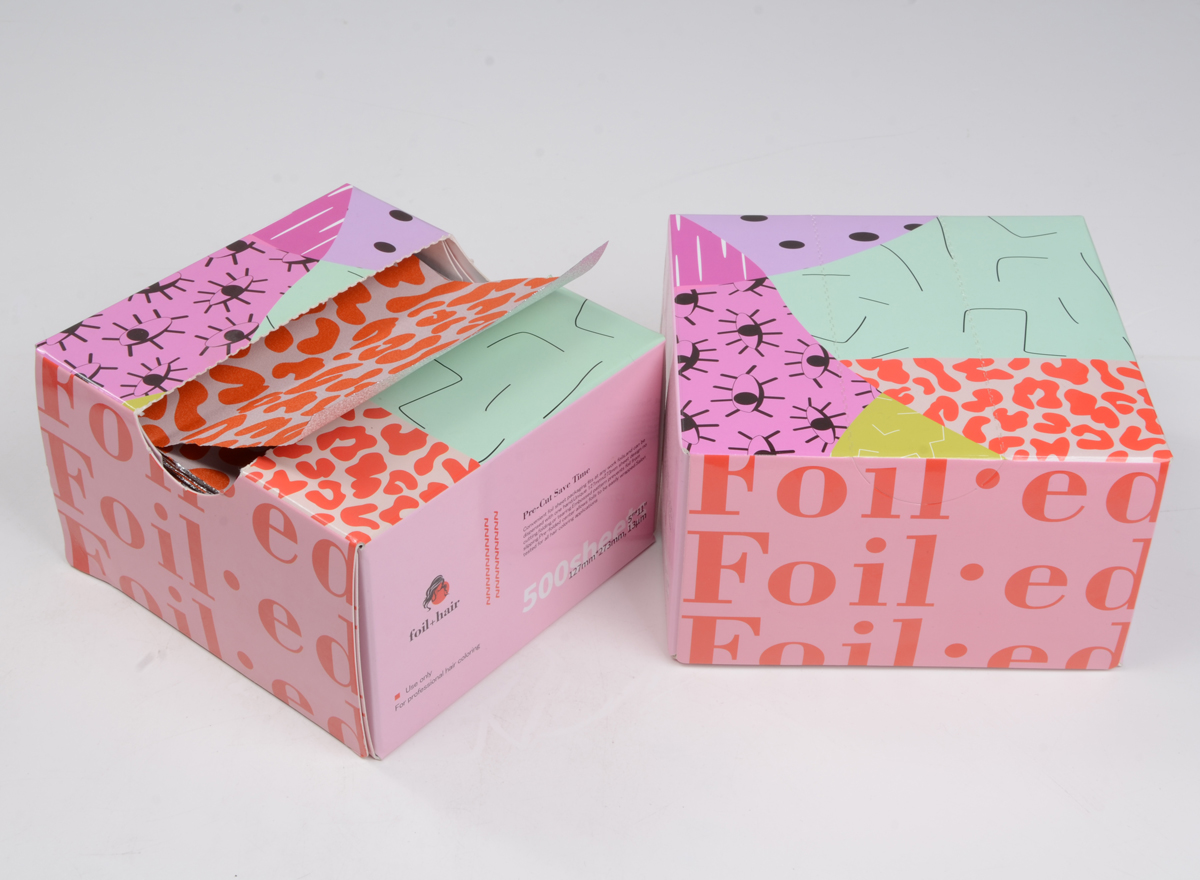 Hairdressing Foil
 Foil Wrapping Sheets