Picking out aluminum pans with lids might seem pretty straightforward, but those little details really do make a difference in everyday cooking. For example, a pan that looks super sturdy sitting on a bright store shelf might feel kinda flimsy once you fill it with stew. And those lids—sometimes they rattle, don’t fit just right, or don’t trap steam effectively. Honestly, these things matter more than you think.
Food science expert Harold McGee pointed out that “aluminum is an excellent conductor of heat.” This is why aluminum pans heat up quickly on the stove. But it also means some thinner pans can develop hot spots pretty easily. So, a good pan should strike a balance—consider its weight, thickness, how smooth the surface is, how sturdy the handles are, and how well the lid fits. Don’t just go by how shiny it looks, because a shiny surface doesn’t always mean top quality.
One of the best ways to see if a pan is truly reliable is by testing it. Pick it up with one hand and see if the handle stays steady. Try flipping the lid upside down and take a close look at the rim. A snug fit helps prevent splashing, but be careful—it shouldn’t seal so tightly that it traps dangerous steam. Some sets come with aluminum foil lids for storage, but honestly, foil isn’t a real replacement for a good, sturdy lid. It’s easy to bend or tear if you’re not careful, especially around rough edges.
When shopping, stick to clear product info from reputable brands like Vollrath or Nordic Ware. Check the capacity, oven safety limits, dishwasher compatibility, and any coating details. Beware of vague marketing language—sometimes, shiny promises don’t match reality. Also, keep in mind: a heavier pan isn’t always better. Sometimes the balance and how it feels to lift matter more, depending on your cooking style. The truth is, what works best can vary from person to person.
So, before you buy your aluminum pan with a lid, keep these seven practical tips in mind—think about the materials, how it’s built, safety features, how easy it is to maintain, and whether it’s a good value for the long haul. That way, you’ll make a smarter choice that fits your needs.
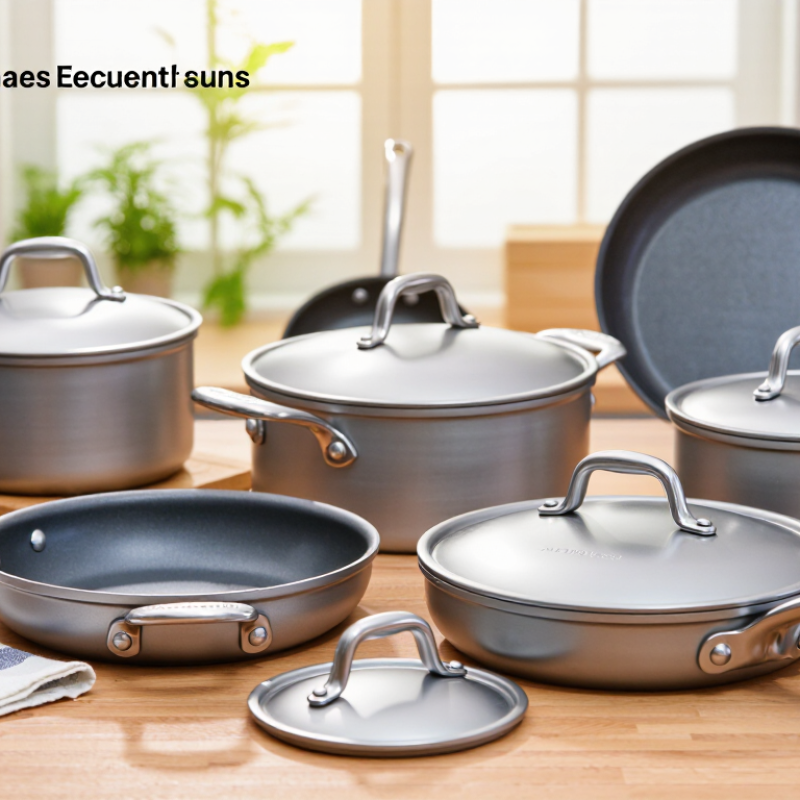
Define Your Cooking Needs Before Choosing an Aluminum Pan
7 Tips for Buying Aluminum Pans With Lids
Define your cooking needs before choosing an aluminum pan. Tip 1: Match the pan size to your usual portions, not occasional feasts. A 9-inch pan suits two servings, while a wider pan handles family meals. Tip 2: Consider your cooking method. Lightweight aluminum heats quickly, which helps with sautéing, roasting, and reheating. It may also cool too fast on some stovetops. I learned this after serving vegetables that lost their crisp edges.
Tip 3: Check the lid design. A snug lid keeps moisture in, while a loose one helps steam escape. Tip 4: Choose a depth that fits your recipes. Shallow pans work well for baked vegetables, but deeper pans reduce splashing. Tip 5: Think about storage. A stackable shape saves cabinet space, although handles can make stacking awkward. Measure your shelf first. Small detail, big frustration.
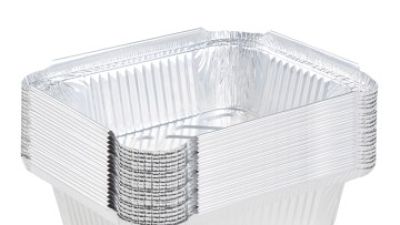
Tip 6: Review the pan’s surface and care instructions. Some aluminum pans need gentle utensils and careful washing. Tip 7: Decide whether disposable or reusable use fits your routine. Foil Container Lids can help with transport and short-term storage, especially for prepared meals. However, they may not seal as firmly as a fitted reusable lid. I sometimes overvalue convenience and forget cleanup time. A pan should match your habits, available storage, and most frequent recipes. fancy cookware cannot fix an unsuitable size.
Compare Aluminum Grades, Coatings, and Heat Performance
When buying aluminum pans with lids, compare the alloy before admiring the finish. ASM Handbook, Volume 2, lists commercially pure aluminum near 237 W/m·K at room temperature. Aluminum 3003 measures roughly 193 W/m·K, but it offers greater strength. That balance matters for roasting, reheating, and repeated washing. Check seven details: alloy, thickness, flatness, coating, lid fit, handle security, and oven rating. A thicker base usually reduces hot spots. It also adds weight. Feel the pan.
Coatings need careful judgment. Hard-anodized surfaces resist scratching better than untreated aluminum, yet they do not make a thin pan heat evenly. Inspect the rim for chips and test whether the lid sits without rocking. A loose lid can spill steam and dry food during transport. Aluminum Foil Pizza Pans are lightweight and useful for short baking, but they can buckle under heavy food. The Aluminum Association’s material data supports aluminum’s high conductivity, but real performance depends on thickness and burner contact. I once trusted a shiny coating and ignored a warped base. That was a poor choice. Look for clear care instructions, stable handles, and a lid that leaves enough headspace. Some specifications remain vague, so asking about alloy and gauge is worthwhile.
Select the Right Pan Size, Shape, and Lid Design
Choosing the right size is more important than chasing the largest aluminum pan. A 10-inch pan suits two servings and fits most home burners. A 12-inch pan handles family portions, but it needs stronger cabinet space. Measure your stovetop and storage shelf before buying. I once chose a wide pan that overhung the burner, causing uneven browning. That mistake still influences my purchases.
Shape should match the food you cook. A straight-sided sauté pan offers room for sauces and vegetables. A shallow skillet supports quick searing and easier flipping. A rectangular roasting pan works well for baked dishes and layered meals. Check the base carefully. It should sit flat without rocking. Thicker aluminum usually distributes heat more steadily, although it may feel heavier during daily use.
The lid deserves equal attention. A transparent lid helps monitor simmering without releasing heat. A snug rim reduces splashes and keeps moisture inside. Small steam vents can prevent rattling, but they may release useful liquid during long cooking. Look for a heat-resistant handle with enough space for oven mitts. Confirm the lid’s temperature rating separately; the pan and lid may differ. I prefer a lid that stores securely, though I sometimes sacrifice perfect visibility for easier stacking. That choice depends on your kitchen, not a sales label.
7 Tips for Buying Aluminum Pans With Lids - Select the Right Pan Size, Shape, and Lid Design
| Tip |
Buying Dimension |
What to Look For |
Useful Size or Specification |
Best For |
| 1 |
Match the Pan Size to the Portion |
Choose a diameter and depth that fit the amount of food you normally prepare. Avoid filling a pan to the rim because food needs room for stirring and expansion. |
8–10 in. diameter
1.5–2.5 qt capacity |
One to two servings, eggs, reheating, small sautés, and side dishes. |
| 2 |
Choose a Versatile Everyday Size |
A medium pan is usually the most flexible option for household cooking. A straight or gently sloped side helps retain sauces while still allowing easy access with a spatula. |
10–12 in. diameter
2.5–4 qt capacity |
Family-sized sautés, pasta sauces, vegetables, stir-fries, and one-pan meals. |
| 3 |
Select the Shape for the Cooking Task |
Use a round shape for general stovetop work, a square or rectangular shape for baking and roasting, and a shallow sheet-style pan for spreading food in one layer. |
Round: 10–12 in.
Rectangular: 9 × 13 in.
Sheet pan: 13 × 18 in. |
Round pans suit stovetop cooking; rectangular pans suit casseroles, baked dishes, and roasting. |
| 4 |
Check the Aluminum Construction |
Thicker aluminum generally distributes heat more evenly and resists warping better than very thin aluminum. Look for a flat base and consistent wall thickness. |
Heavy-gauge construction
Flat, stable base |
Frequent cooking, larger pans, and recipes requiring steady heat distribution. |
| 5 |
Verify Cooktop Compatibility |
Standard aluminum is not magnetic, so it normally will not work on induction cooktops unless it has a magnetic stainless-steel plate or an induction-compatible base. |
Gas/electric: generally compatible
Induction: magnetic base required |
Homes with mixed cooktops or kitchens that may switch to induction in the future. |
| 6 |
Evaluate the Lid Design |
A well-fitting lid should sit securely, reduce steam loss, and have a heat-resistant handle. A transparent lid improves visibility, while a vent helps release excess steam. |
Tight fit
Heat-resistant knob
Optional steam vent |
Simmering, steaming, keeping food warm, and reducing splatter during cooking. |
| 7 |
Confirm Storage and Care Requirements |
Measure cabinet space and check whether the lid can be stored securely. Follow the care instructions because some aluminum pans can discolor in a dishwasher or react with highly acidic foods. |
Stackable design
Removable or nesting lid
Hand-wash option |
Small kitchens, organized storage, and extending the useful life of the pan. |
Check Handle Quality, Weight, and Everyday Usability
7 Tips for Buying Aluminum Pans With Lids
Handle quality matters more than a shiny finish. I check whether each handle feels firmly attached, without wobbling or sharp edges. Rivets should sit flush against the pan wall. If the handle flexes under light pressure, I leave it on the shelf. A heat-resistant grip is useful, but it should not replace careful handling with oven mitts.
Weight also reveals practical differences. A very thin pan may heat quickly, yet it can warp on a hot burner. A heavier aluminum body usually feels steadier and distributes heat more evenly. Still, heavy does not always mean better. Lift the pan with one hand, then imagine carrying it full of stew. That small test exposes uncomfortable handles quickly. I once chose a pan that felt impressively solid, but its balance became awkward when filled.
Everyday usability comes from small details. Look for a lid that sits securely and has enough clearance for steam. A transparent lid can help monitor food without repeated lifting. Check whether the pan stacks neatly in your cabinet. For catering or short-term serving, Aluminum Foil Steam Pans are lightweight and convenient, but they may bend under heavy food. Confirm the stated oven temperature and cleaning guidance before use. Some pans are dishwasher-friendly, while others lose their finish after repeated washing. Test the handle, lid, weight, storage fit, and cleaning needs before trusting the pan in daily cooking.
Evaluate Lid Fit, Ventilation, and Storage Convenience
Tip 1: Check the lid fit before judging the pan. Place the lid on a cool pan and rotate it gently. It should sit evenly without wobbling or scraping the rim. A small gap can release steam, but a loose lid may spill hot liquid during stirring. I once ignored this detail and regretted it when sauce leaked onto the stovetop. Measure the rim carefully, especially if you plan to replace the lid later.
Tip 2: Inspect ventilation with real cooking in mind. Small steam vents can reduce pressure and help prevent sudden bubbling. They should not be blocked by a handle, foil, or stacked cookware. Hold the lid near a bright window and check whether the vent is clean and firmly attached. Some vents work well for rice but release too much moisture from slow braises. That trade-off deserves attention. Read the care instructions, and avoid assuming every vent is dishwasher-safe.
Tip 3: Think about storage before buying. A flat lid saves cabinet space, while a raised handle may need extra height. Measure the shelf, not just the pan. If several pans nest together, place a soft cloth between them to reduce scratches. Aluminum can dent more easily than expected. I have learned this after storing one pan beneath a heavy pot. The lid should also have a secure resting position, so it does not slide onto the floor. Small details matter.
7 Tips for Buying Aluminum Pans With Lids
Evaluate lid fit, ventilation, and storage convenience before choosing a pan size.
1–3. Check Lid Fit
Match the lid diameter to the pan’s nominal diameter. A stable rim contact and a centered handle help reduce movement during cooking.
4–5. Evaluate Ventilation
Look for a steam vent and a handle that stays cool enough to grip safely. A vent can help release pressure and reduce rattling.
6–7. Plan Storage
Compare lid and pan footprints, check whether the lid handle can be removed or folded, and confirm that the set stacks securely.
Reference data: circular cooking-surface area is calculated from nominal pan diameter using π × (diameter ÷ 2)². Actual usable cooking area varies by pan shape and side slope.
Confirm Compatibility With Your Stovetop and Oven
Before buying an aluminum pan with a lid, check your stovetop type carefully.
Aluminum conducts heat well, but standard aluminum does not work directly on induction cookers. Look for a magnetic base or an induction-compatible construction. A simple magnet test can help, although it is not always conclusive. The pan should sit flat on the burner. A warped base may heat unevenly and wobble during cooking. Measure the cooking zone, too. An oversized pan can leave cold areas around the edges.
Your oven needs a separate check.
Read the stated maximum temperature for the pan, lid, handles, and knobs. Some glass lids tolerate oven heat, but their handles may have lower limits. Removable silicone parts also need careful inspection. Never assume the pan and lid share the same temperature rating.
I once moved a pan from the stovetop into a hot oven without checking its lid handle. It survived, but the handle became unpleasantly soft. That mistake changed my buying habits.
I now examine the base material, handle attachment, and lid instructions before purchase. Keep the pan clear of oven walls, and allow space for heat to circulate. If the specifications seem vague, choose a different pan. Guessing is rarely worth it.
Review Safety, Cleaning Requirements, and Overall Value
7 Tips for Buying Aluminum Pans With Lids
When I inspect aluminum pans, I check the rim, corners, and lid fit before considering price. Sharp edges can cause cuts, while loose lids may spill hot food during transport. Choose a pan with enough thickness for its intended use. Very thin Aluminum Foil Bakery Pans work well for short baking sessions, but they can bend under heavy casseroles. Check the lid. It should close evenly without forcing the pan walls outward. Confirm whether the lid is oven-safe, since many plastic lids are designed only for storage or serving.
Food safety also depends on the ingredients and cooking method. Aluminum can react with highly acidic or salty foods, especially during long storage. For tomato-based dishes, fruit fillings, or marinades, follow the maker’s guidance or use a compatible liner. Never place a disposable pan directly over an open flame. Use a stable baking sheet underneath for support. Edges matter. Let the pan cool before washing, and avoid sudden temperature changes that may warp it.
Cleaning requirements affect long-term value. Hand washing with mild soap usually preserves the surface better than aggressive scrubbing. Avoid steel wool and harsh cleaners. Dry the pan quickly to reduce residue and discoloration. A reusable, sturdy pan may cost more but could withstand many cooking cycles. Still, my judgment is not perfect; some inexpensive pans perform surprisingly well. Compare the lid seal, usable capacity, storage space, and recycling options in your area. A low purchase price means little if the pan leaks, bends, or cannot be cleaned easily.
BRC-Certified 600ml Aluminum Foil Trays for Takeout: Insights from Grand View Research’s Foodservice Packaging Report
BRC-certified 600ml aluminum foil trays are designed for the practical demands of modern takeaway and foodservice operations. Their compact capacity suits individual portions such as pasta, rice dishes, roasted meals, desserts, and prepared sides, helping kitchens maintain consistent serving sizes while supporting efficient packing. The lightweight aluminum structure also makes these trays easy to transport, stack, and store.
Insights highlighted in foodservice packaging research point to continued demand for packaging that combines convenience, food protection, and operational efficiency. These 600ml trays can withstand a broad range of hot and chilled applications, while their foil construction helps retain food temperature and protect contents during delivery. The rigid shape supports neat presentation, and the smooth surface allows straightforward labeling for order identification and handling instructions.
For busy takeaway counters, caterers, and prepared-meal services, the trays provide a practical balance between portion control and presentation. Their recyclable aluminum material can also support packaging programs focused on resource efficiency, subject to local recycling facilities and regulations. The BRC certification adds confidence for food businesses seeking packaging aligned with recognized standards for quality, hygiene, and production control.
FAQS
Match the pan to your usual portions, not occasional large meals. A 9-inch pan suits about two servings. Wider pans work better for families. Bigger is not always better.
Aluminum responds quickly on the stovetop. It suits sautéing, roasting, and reheating. However, it may cool quickly on some burners. My vegetables once lost their crisp edges.
Choose a lid that sits evenly and stays secure. A snug lid retains moisture. A loose lid releases more steam. Check for wobbling, scraping, or rim gaps.
A small vent can release steam and reduce sudden bubbling. It may work well for rice. However, it can remove too much moisture from slow-cooked dishes. Trade-offs matter.
Shallow pans suit baked vegetables and flatter foods. Deeper pans reduce splashing during stirring. Consider your recipes, not only the pan’s appearance. Depth affects daily comfort.
The handle should feel firmly attached, without sharp edges or wobbling. Flush rivets are a useful detail. A heat-resistant grip helps, but oven mitts remain necessary. Never trust appearance alone.
A heavier body may feel steadier and distribute heat more evenly. Very thin pans can warp on hot burners. Still, excessive weight can become uncomfortable when full. Lift it first.
Measure your shelf, including its height. Flat lids usually save space. Raised handles may prevent neat stacking. Use a soft cloth between nested pans to reduce scratches. Small detail, big frustration.
They are lightweight and useful for prepared meals or short-term serving. However, they may bend under heavy food. They may also seal less firmly than fitted reusable lids. Convenience can hide cleanup problems.
Read the care instructions before purchase. Some surfaces need gentle utensils and careful washing. Others may tolerate dishwasher use. I sometimes overlook cleaning time, and regret it later.
Conclusion
Choosing the right Aluminum Pans With Lids begins with understanding your cooking habits, including the meals you prepare, serving sizes, and preferred cooking methods. Compare aluminum grades, coatings, and heat performance to find a pan that distributes heat evenly and suits your expectations for durability. Consider the pan’s size, shape, weight, and handle design so it feels comfortable and practical for everyday use. A well-designed lid should fit securely, allow appropriate ventilation, and support convenient storage.
Before buying, confirm that the pan works with your stovetop and oven settings. Also review its safety features, cleaning requirements, and resistance to wear over time. Some options may offer easier maintenance, while others may provide stronger heat performance or greater versatility. By balancing cooking needs, construction quality, usability, compatibility, and overall value, you can select an aluminum pan with a lid that supports efficient, reliable, and enjoyable meal preparation.

 Foil Container
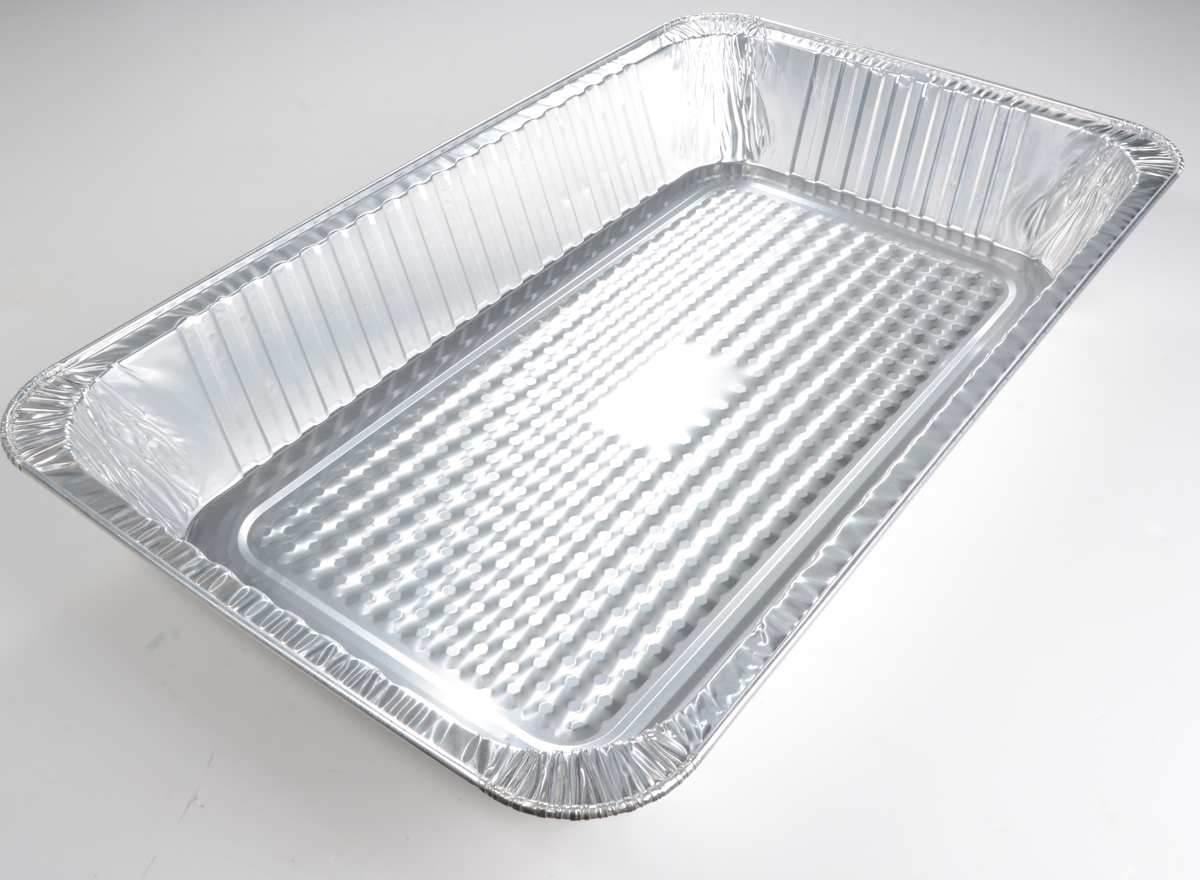 Baking Pan
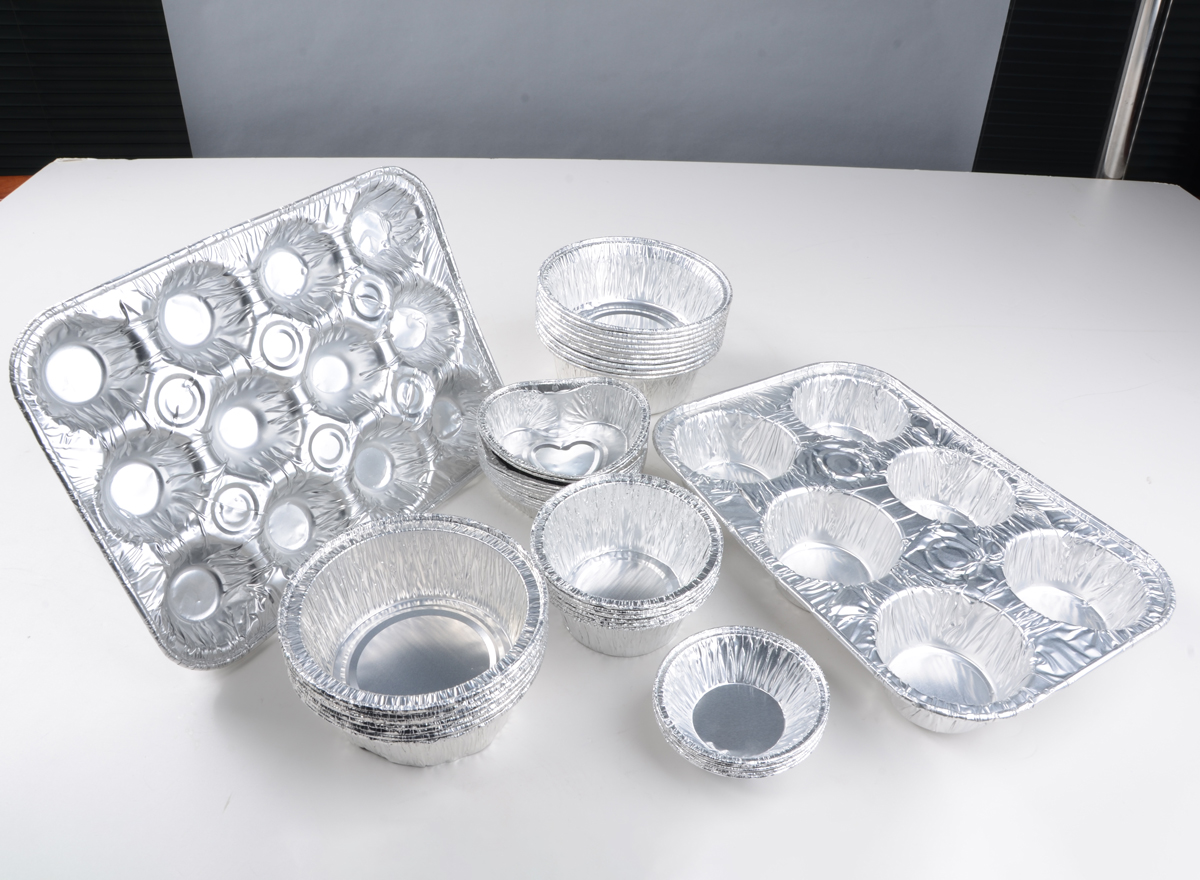 Baking Cup
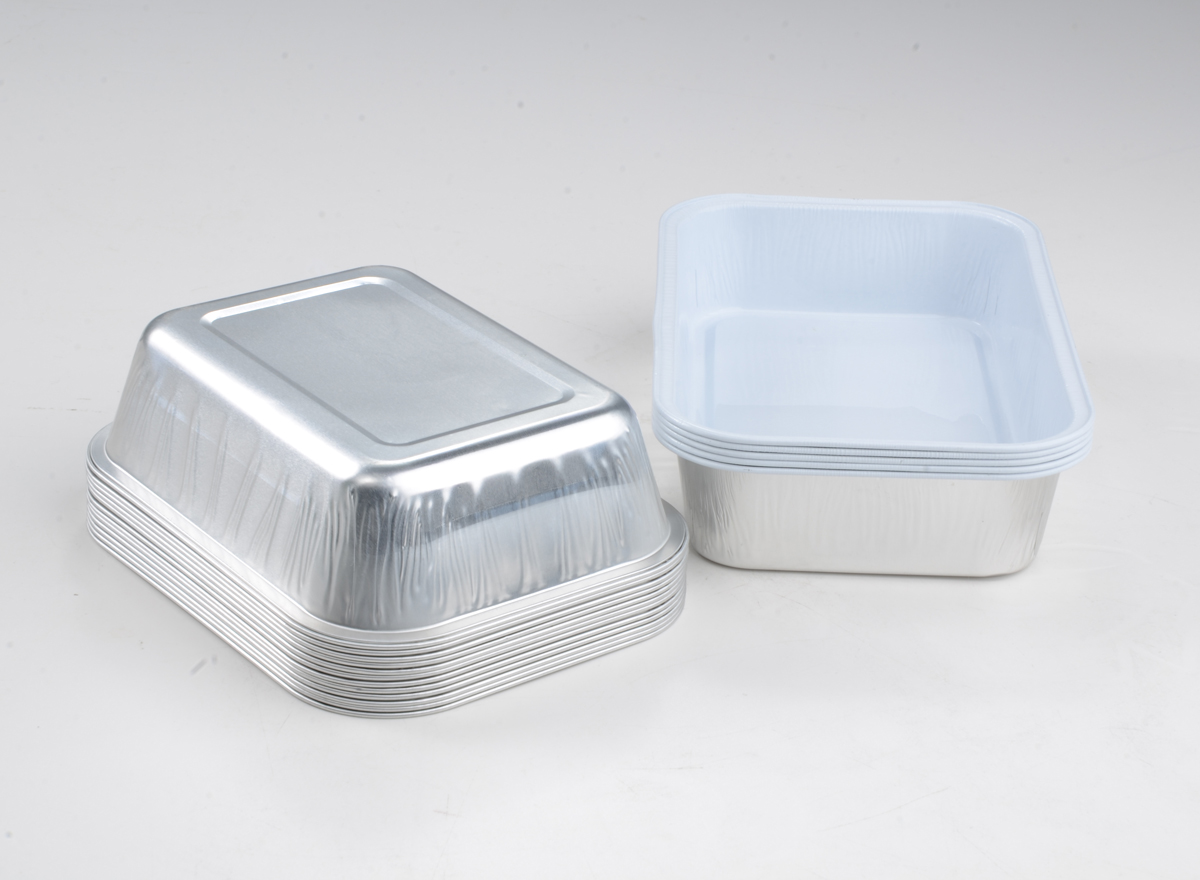 Airline Container
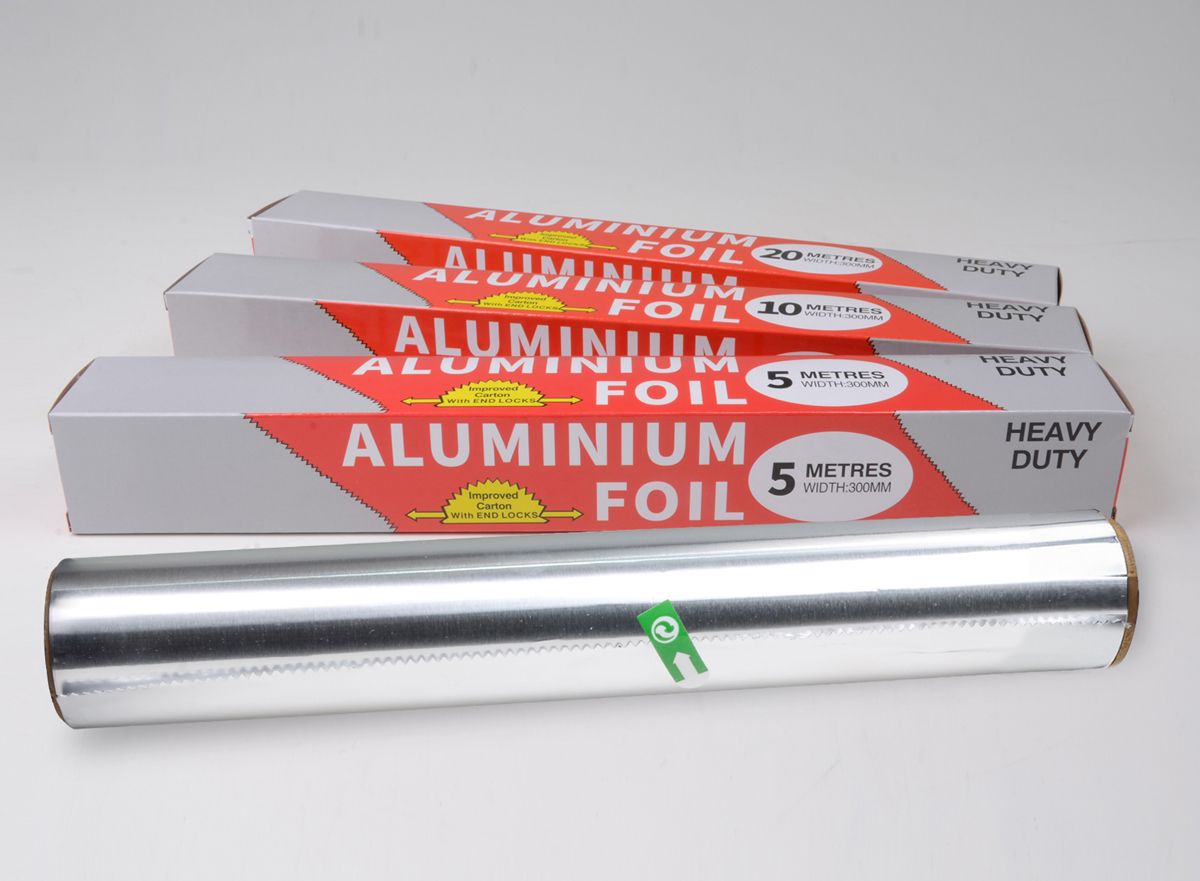 Foil Kitchen Rolls
 Hairdressing Foil
 Foil Wrapping Sheets