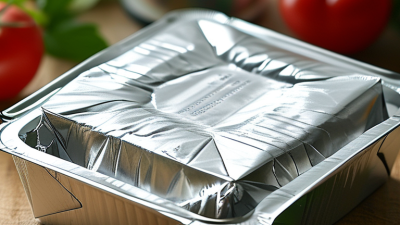
Choosing the right 9-inch aluminum pie pan can really make a difference in your baking adventure. I remember Sarah Mitchell from Baking Pro Inc. once saying, “A good pie pan can totally elevate any recipe.” And honestly, I couldn’t agree more—whether you’re just starting out or you’re a seasoned pro, the right pan makes all the difference. It helps distribute heat evenly and gives you that perfectly flaky crust we all dream of.
When you're picking one out, think about the material, how tough it is, and its overall design. Usually, lightweight but high-quality aluminum pans work best. And if you can find one with a non-stick surface? Even better! It makes sliding out that beautiful pie so much easier. Just a heads-up, though — some pans might look great at first, but if they warp easily under heat, they could mess up your masterpiece. So, steer clear of those.
Another thing to keep in mind is the depth of the pan. You want sides that are high enough to hold all that tasty filling without spilling over. Sometimes folks overlook these little details, but trust me, they really impact your results. Plus, investing in a good 9 Inch Pie Baking Foil Pan is totally worth it — it boosts both flavor and presentation. Keep these tips in mind, and happy baking! Your pies are going to turn out amazing.
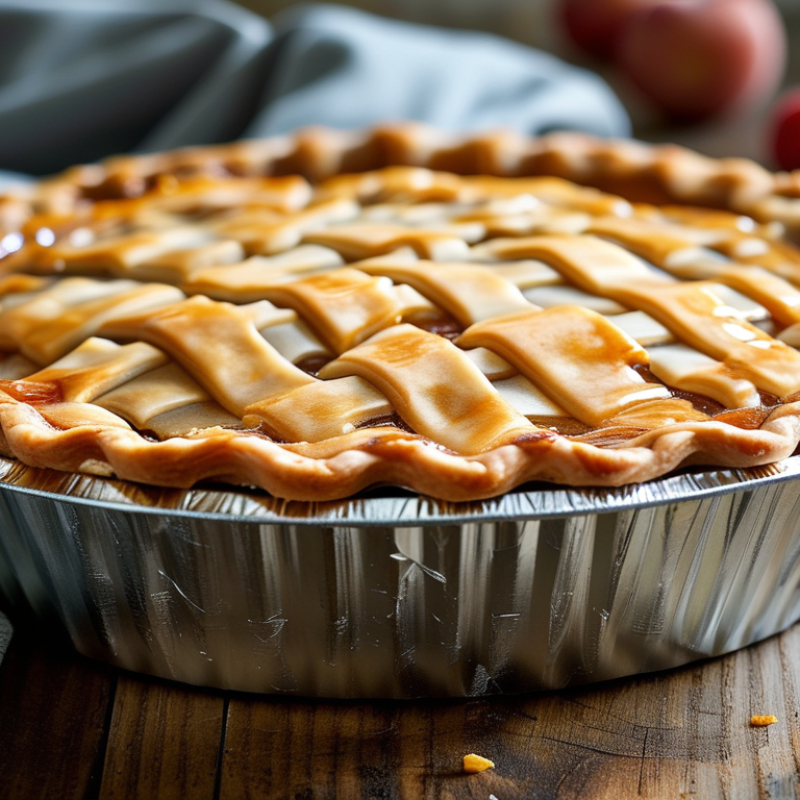
Factors to Consider When Choosing 9 Inch Aluminum Pie Pans
When choosing the best 9-inch aluminum pie pans, several factors merit consideration. First, the thickness of the aluminum affects heat conduction. Thicker materials distribute heat evenly, which may enhance the quality of your baked goods. According to industry data, pans with a thickness of 0.5 mm to 0.7 mm perform well in maintaining consistent temperatures.
Another critical aspect is the versatility of the pie pan. Some Aluminum Foil Pie Tins are designed for single-use, while others are durable enough for multiple uses. This choice can impact both cost efficiency and the environment. Research indicates that eco-friendly options are gaining popularity, driven by consumer demand for sustainable products. Selecting a pan that aligns with your values can also enhance your baking experience.
A practical tip is to consider the design of the pie pan. Pans with a fluted edge allow for easier crust forming and decoration. They contribute to both aesthetics and function. Observe the weight as well; lighter pans may warp and yield uneven baking results. Therefore, weigh your options carefully before making a choice.
When searching for aluminum foil pie tins, ergonomics also plays a role. Ensure the pan has edges that are comfortable to grip, especially when handling hot contents. These small details can significantly influence convenience during baking and serving. Ultimately, keeping these factors in mind will guide you to the best pie pan for your needs.
Understanding Aluminum Gauge and Its Impact on Baking Performance
When selecting a 9-inch aluminum pie pan, understanding the aluminum gauge is essential. The gauge refers to the thickness of the aluminum. A higher gauge means thinner material, which can lead to overcooking or uneven baking. According to industry data, pans with a gauge of 18 are standard for baking. These pans distribute heat evenly, which is crucial for achieving the perfect crust.
However, it's important to note that not all baking experiences are flawless. Some bakers report that pans with a lower gauge, such as 12 or 14, can provide better heat retention. This may result in a crispier crust. Every baking style is unique, and what works for one may not work for another. It’s valuable to experiment with different gauges to find what works best for your baking needs.
For instance, Tart Pie Foil Tin options are available in various gauges. While they offer convenience, their performance can vary greatly. A thicker foil may resist warping better, while a thinner one may be more susceptible to bending. Reflecting on these differences will guide you toward making the best choice for your next baking project.
9 Tips to Choose the Best 9 Inch Aluminum Pie Pans - Understanding Aluminum Gauge and Its Impact on Baking Performance
| Tip Number |
Tip Description |
Aluminum Gauge |
Impact on Baking |
| 1 |
Check for Even Thickness |
0.6 mm |
Promotes even heat distribution |
| 2 |
Consider Baking Pans with Nonstick Coating |
0.8 mm |
Enhances easy release and cleanup |
| 3 |
Evaluate Durability and Strength |
1.0 mm |
Resists warping over time |
| 4 |
Opt for Removable Bottoms for Easy Access |
0.7 mm |
Facilitates gentle removal of baked goods |
| 5 |
Look for Lightweight Options for Easy Handling |
0.55 mm |
Easy to maneuver in and out of the oven |
| 6 |
Validate Corrosion Resistance |
0.9 mm |
Ensures longevity, especially with acidic ingredients |
| 7 |
Check for Compatibility with Your Oven |
0.6 mm |
Prevents uneven baking due to size issues |
| 8 |
Research Reviews for User Feedback |
1.0 mm |
Provides insights on baking performance |
| 9 |
Consider Cost vs. Performance Ratio |
0.75 mm |
Ensures value for money in baking experience |
Comparative Analysis of Non-Stick vs. Traditional Aluminum Pie Pans
When choosing between non-stick and traditional aluminum pie pans, consider how each affects your baking results. Non-stick pans are convenient, allowing pie crusts to release effortlessly. This can be particularly beneficial for delicate crusts. However, not all non-stick coatings are created equal. Some may wear off over time, requiring careful use and cleaning to maintain their effectiveness.
Traditional aluminum pans, on the other hand, have their merits too. They are durable and often recommended by experienced bakers. These pans conduct heat evenly, which helps achieve a perfectly baked pie. Yet, they may pose a challenge when it comes to crust release. You might need to grease them more or invest a bit of effort to get your pie out intact.
Another point worth considering is the impact of metal reactions. With a non-stick surface, there's less chance of acidic ingredients causing a reaction. In contrast, using a traditional aluminum pan could lead to discoloration or off-flavors in certain recipes. Balancing convenience with authenticity can be tricky. It ultimately comes down to personal preference and what baking experience you’re aiming for. Each type has pros and cons, requiring a thoughtful approach to your baking endeavors.
Examining the Role of Heat Conductivity in Pie Baking Results
When it comes to baking pies, heat conductivity plays a critical role. Aluminum pie pans are popular due to their excellent heat distribution properties. This ensures that pies bake evenly. Research indicates that aluminum conducts heat better than glass or ceramic. A study by the American Society of Baking showed that aluminum pans reduce baking time by an average of 25%. This efficiency can lead to a more evenly baked crust and a better texture.
However, not all aluminum pans are created equal. The thickness of the pan affects how well it retains and distributes heat. Thinner pans can lead to overbaked edges or undercooked centers. A 2022 report from the Culinary Institute of America suggests that a pan with a gauge of around 30 provides the best balance. It's crucial to consider both weight and build quality when selecting a pan. Look for a design that has fluted edges. This adds not only to aesthetics but also to structural integrity, which can prevent warping over time.
Reflecting on your own baking experiences can be enlightening. Have you found that some pans consistently produce better results? Testing various options may lead to surprises. Paying attention to how different materials affect baking can enhance your pie-making game. Keep experimenting until you find the perfect combination that works for you. That is where the joy of baking truly lies.
Heat Conductivity Comparison of 9 Inch Aluminum Pie Pans
Evaluating Durability: Thickness and Quality of Aluminum Materials
When selecting a 9-inch aluminum pie pan, durability is paramount. The thickness of the aluminum determines its strength and heat retention. A thinner pan may warp under high temperatures. This can lead to uneven baking, affecting the texture of your pie crust. A thicker pan feels sturdier and distributes heat more evenly, which is essential for achieving that perfect golden-brown finish.
Quality matters too. Look for pans made from high-grade aluminum, which usually resist corrosion and maintain their shape over time. While lightweight pans are easy to handle, they may not perform well for heavy fillings. Sometimes, a seemingly perfect pan can warp after repeated use. It’s important to assess how well a pie pan holds up, particularly if you bake frequently. Don't hesitate to read reviews and seek insights from experienced bakers. They can provide valuable feedback on the longevity and performance of different pans, helping you make a more informed choice.
Tips for Maintaining and Caring for Your Aluminum Pie Pans
Aluminum pie pans are lightweight and conduct heat well, making them popular for baking pies. To extend the lifespan of a Disposable Pie Baking Tin, proper care is essential. Before and after each use, wash the pan with warm soapy water. Avoid using abrasive sponges that could scratch the surface. Research indicates that proper cleaning can preserve the material's integrity, ensuring more consistent baking results.
Storage is also crucial. Stacking multiple Disposable Pie Baking Tins can cause warping. Instead, store them in a cool, dry place, preferably upright, to maintain their shape. Many experts recommend using parchment paper when baking, which can minimize sticking and simplify cleanup. According to industry studies, about 70% of bakers report that using liners improves their baking experience.
Even though aluminum pans are generally durable, they can degrade over time. If you notice discoloration or lightweight bending, consider replacing the pan. Such small shifts may affect cooking performance. While aluminum conducts heat evenly, any wear can lead to uneven baking, which is often overlooked. Balancing care with active use will maximize the effectiveness of your pie pans.
Consumer Preferences and Trends in Aluminum Pie Pan Purchases
When choosing the best 9-inch aluminum pie pans, it's crucial to understand consumer preferences. Many home bakers now seek lightweight yet durable options. The shift towards more eco-friendly materials has influenced purchases. Consumers often gravitate towards Aluminum Foil Pizza Pans for their efficiency in heat conduction. This ensures even baking, a priority for many.
Some buyers focus on versatility. They want pans that can double as storage containers or serveware. There is a rising trend in multi-use products. However, stark differences exist in performance among various designs. Users frequently report sticking issues with certain pans, even when using non-stick coatings. This can lead to frustration, particularly in competitive baking environments.
Additionally, price sensitivity plays a significant role. While some consumers prioritize quality, others look for budget options. This often results in mixed reviews across different retailers. It's important to remember that not every affordable pan will meet expectations. Consumers should weigh both cost and quality to make informed decisions about aluminum foil pizza pans. Testing different brands may provide insights into personal preferences.
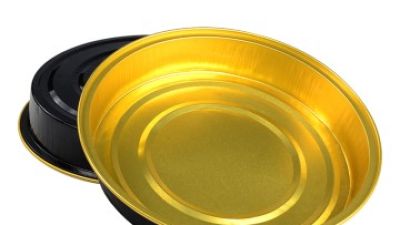
Future Trends in Takeout Packaging: Analyzing the Impact of Custom Duplex Color Aluminum Foil Containers on Food Delivery Efficiency
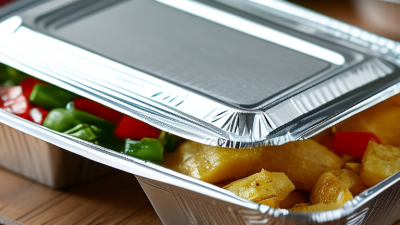
The rise of food delivery services has revolutionized the way consumers enjoy meals, and at the heart of this transformation is the packaging used for takeout. In particular, custom duplex color aluminum foil containers have emerged as a prime choice for enhancing food delivery efficiency. With a practical size of 480ML, these containers cater to the growing demand for sustainability while ensuring that food remains hot, fresh, and visually appealing during transport.
Recent industry reports indicate that the global food delivery market is projected to reach $200 billion by 2025, which underscores the significant impact that packaging choices can have on consumer satisfaction and operational efficiency. Aluminum foil containers are lightweight yet durable, significantly reducing the risk of spillage and degradation of food quality. Moreover, the use of color printing on these containers can aid in brand recognition and customer engagement, making the presentation of takeout meals just as important as the food itself.
Additionally, the insulation properties of aluminum foil help maintain optimal food temperatures, directly affecting the overall consumer experience. Studies have shown that 60% of customers consider temperature retention as a vital factor when ordering takeout. As businesses seek to differentiate themselves in a competitive market, investing in high-quality, visually appealing packaging may not only enhance meal delivery experiences but also foster greater loyalty among customers.
FAQS
: A thickness between 0.5 mm to 0.7 mm is ideal for even heat distribution.
No, some are single-use. Choosing durable options can be more cost-efficient and eco-friendly.
Pans with fluted edges help form and decorate crusts better, enhancing both look and function.
Comfortable edges make it easier to grip and handle hot pies, improving your overall baking experience.
Yes, non-stick pans release crusts easily while traditional pans provide even heating, but may need greasing.
Yes, traditional aluminum pans might react with acidic foods, causing discoloration and off-flavors.
Use warm soapy water and avoid abrasive sponges to maintain the surface and ensure consistent baking.
Store them upright in a cool, dry place to prevent warping, rather than stacking them.
If you notice discoloration or bending, it's time to replace them to avoid impacting baking performance.
Using parchment paper can reduce sticking and make cleanup easier, enhancing the overall baking process.
Conclusion
When selecting the best 9 Inch Aluminum Pie Pans, several key factors should be taken into account to ensure optimal baking results. Understanding the aluminum gauge is essential, as it significantly influences heat distribution and baking performance. A comparative analysis of non-stick versus traditional aluminum pans reveals varying advantages, with non-stick surfaces offering ease of release while traditional options provide reliable performance. Additionally, heat conductivity plays a crucial role, affecting how evenly the pie bakes.
Durability is another important factor; thicker aluminum materials tend to be more robust, enhancing longevity and resistance to warping. Proper care and maintenance tips are crucial for extending the lifespan of your 9 Inch Aluminum Pie Pans. Finally, staying informed about consumer preferences and trends can guide your purchase decisions, ensuring you choose pans that meet both functional and aesthetic needs.

 Foil Container
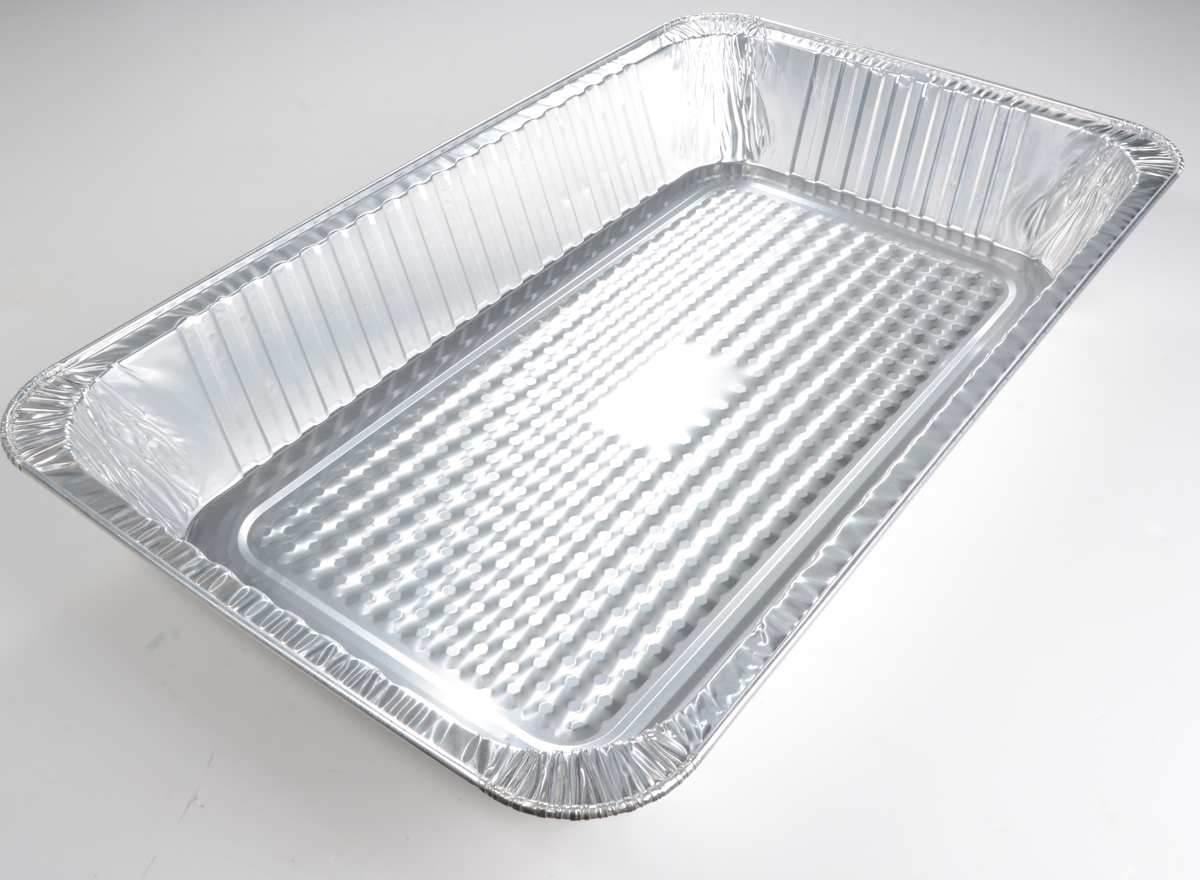 Baking Pan
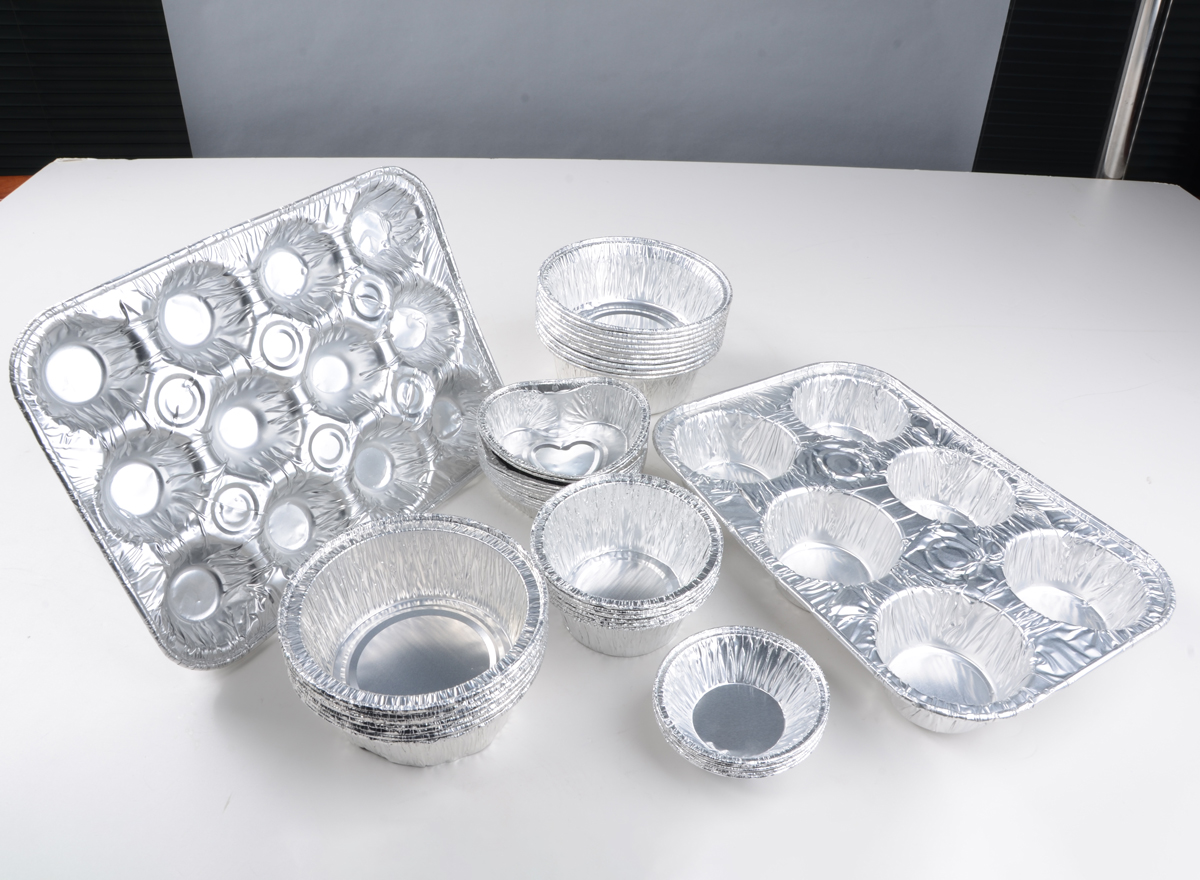 Baking Cup
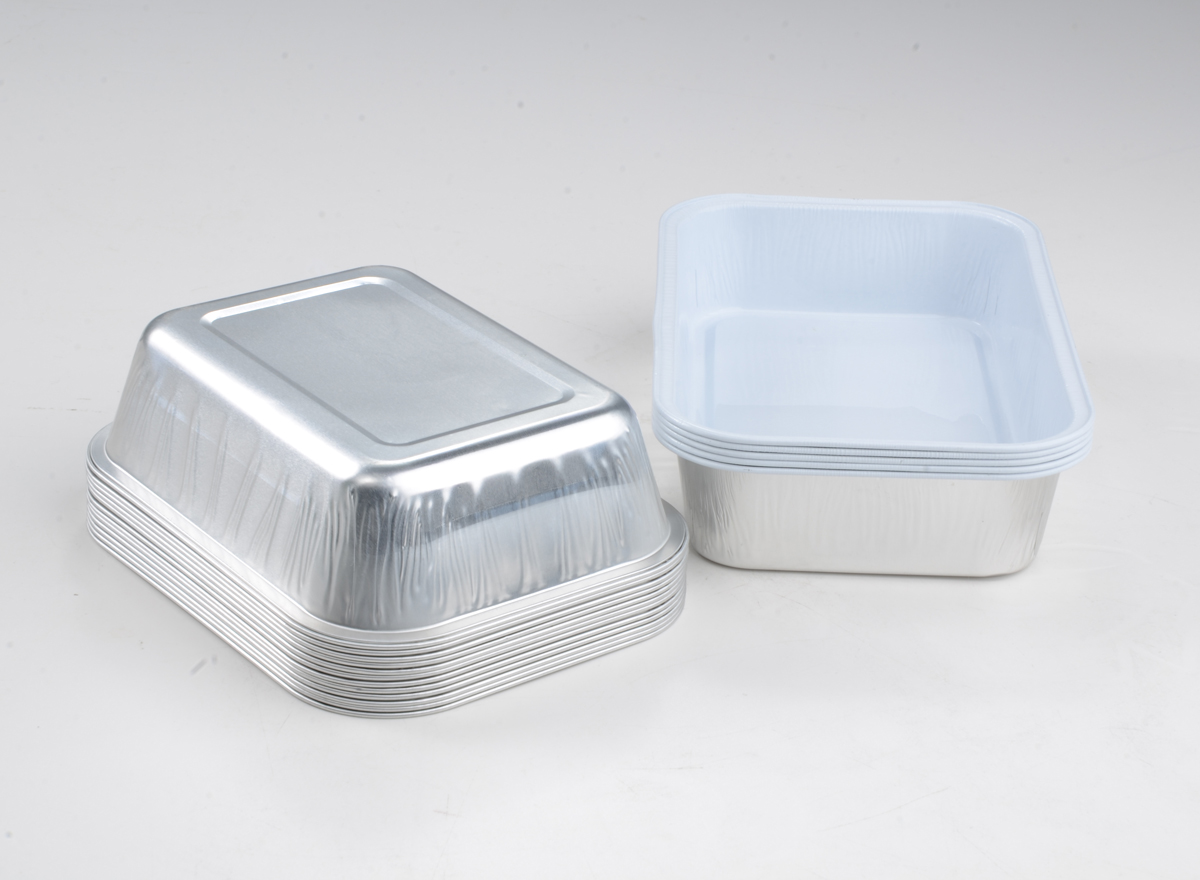 Airline Container
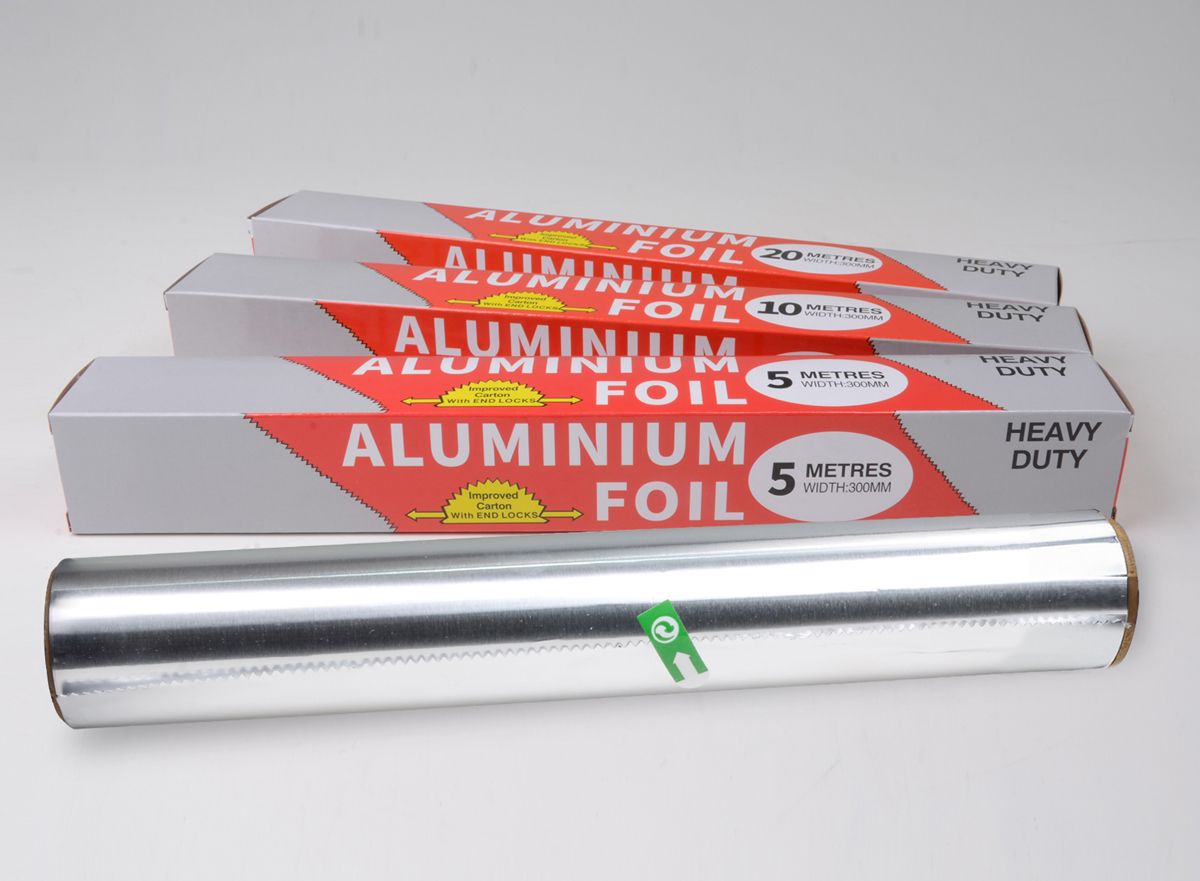 Foil Kitchen Rolls
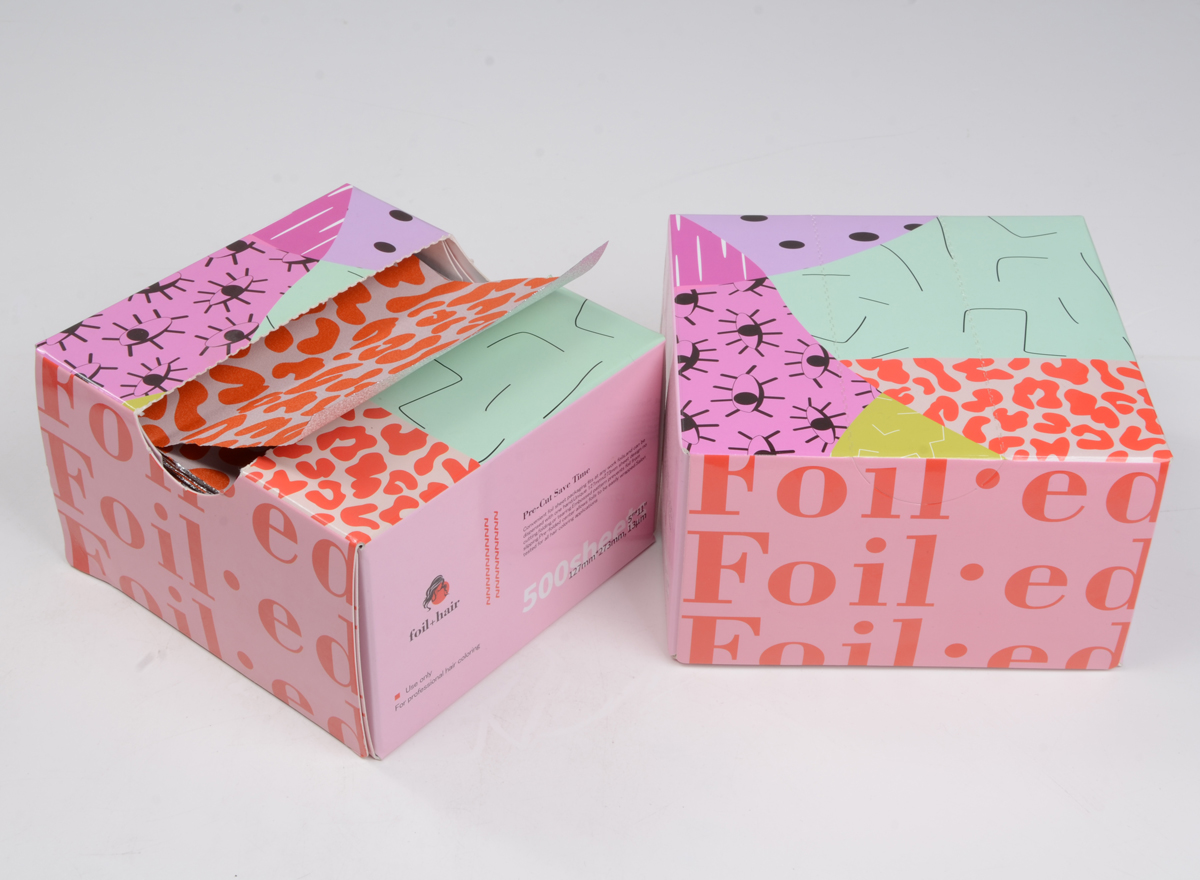 Hairdressing Foil
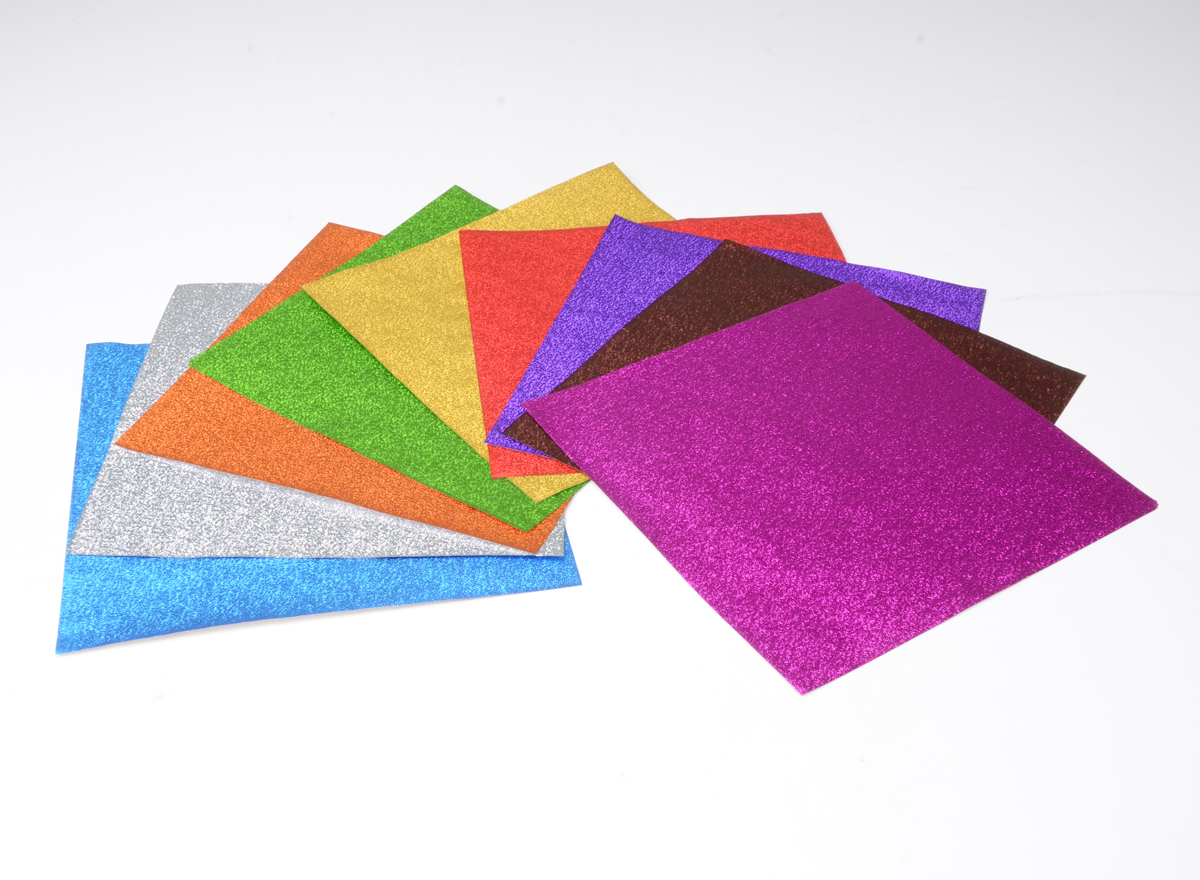 Foil Wrapping Sheets