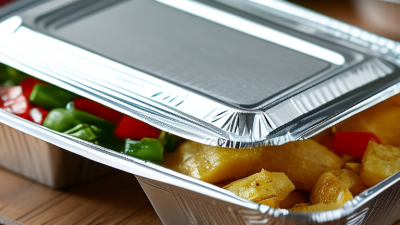
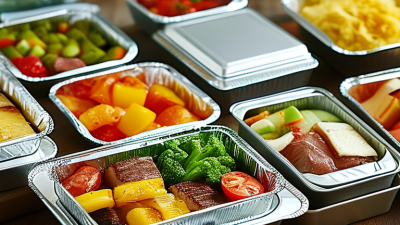
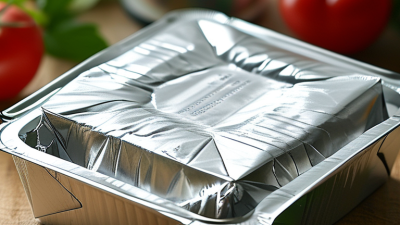
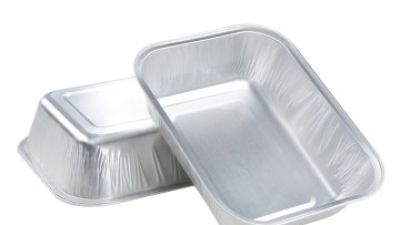
As we look ahead to 2026, it’s clear that the demand for full-size aluminum pans is really picking up around the world. These handy kitchen staples have become pretty much essential, whether you're cooking at home or running a big operation. From catering gigs to family reunions, you can’t underestimate how useful Full Size Aluminum Foil Catering Trays are. They’re lightweight, sturdy, and cost-effective—making them a smart choice for lots of folks.
Manufacturers are moving fast, trying to come up with new ideas to meet all kinds of customer needs. But, of course, there are challenges ahead. Issues around quality and sustainability keep popping up as big concerns. Buyers often get bombarded with brands claiming their products are the best, but not everyone lives up to that hype. So, it’s really important to do your homework—research companies, check out their reputations—so you don’t end up disappointed.
Where the materials come from, how stuff is made, and what other customers are saying all matter a lot when figuring out whether a brand is reliable. People buying these pans from all over the globe need to stay alert. Picking the right supplier can make a huge difference in how smooth things go. If you’re well-informed, you’re more likely to end up with a product you’re happy with and build trust in the long run. Yeah, the search to find the perfect full-size aluminum pans might take some patience and effort, but honestly, the payoff’s totally worth it.
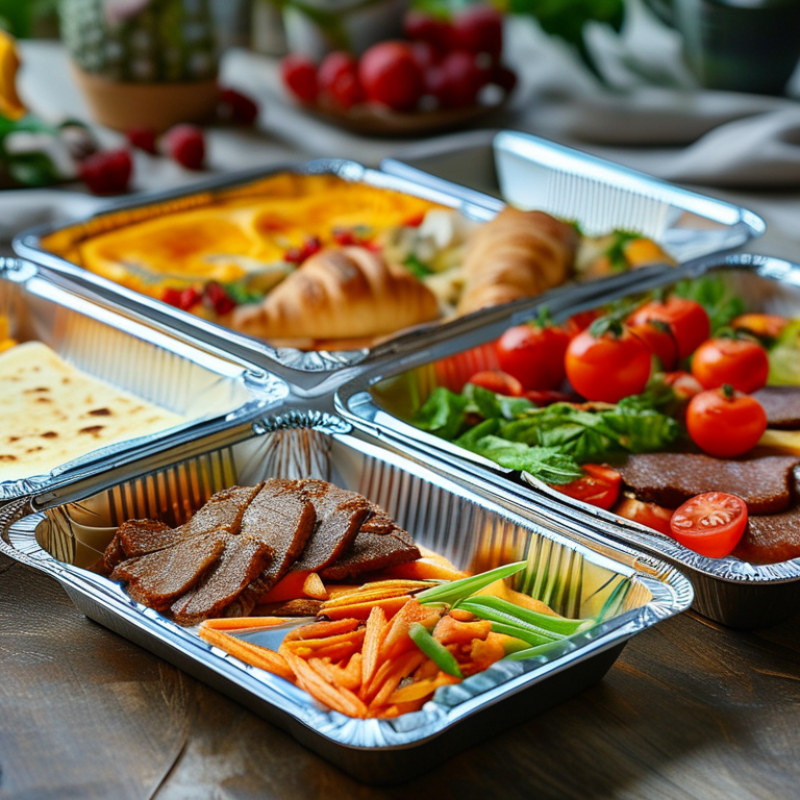
Market Overview of Full-Size Aluminum Pans in 2026
The market for full-size aluminum pans is set for notable growth in 2026. Recent projections indicate a projected CAGR of 4.5% in the global aluminum cookware sector. This is driven by the increasing demand for durable and lightweight cooking solutions. With a growing focus on sustainability, many consumers are shifting to eco-friendly materials. The aluminum pans, known for their recyclability, align with this trend.
Aluminum pans are not only practical but also cater to diverse cooking needs. They are often chosen for large gatherings and commercial kitchens, emphasizing their versatility. Market research highlights that chefs prefer aluminum for its quick heat conductivity and even cooking. However, some pans may warp over time, particularly with high-heat cooking. This reflects the balance between functionality and the need for durability in kitchenware.
Using full-size aluminum pans can elevate your cooking experience. Opt for thicker gauge options to prevent warping. Always preheat the pan for optimal results, and consider using parchment paper to minimize sticking. Be mindful of the coating as some may degrade over time, affecting performance. Regular inspection and maintenance can prolong the life of your pans, ensuring they remain a staple in your kitchen.
Key Features and Benefits of Aluminum Cookware
Aluminum cookware is increasingly popular for its lightweight, durable, and versatile nature. Cookware made from aluminum heats quickly and distributes heat evenly. This feature is essential for achieving consistent cooking results. One major benefit of aluminum pans is their resistance to rust and corrosion. They can withstand high temperatures, making them suitable for various cooking methods.
When using Half Size Aluminum Foil Steam Table Pans, consider proper handling. They can be prone to warping if overly heated or improperly stacked. This can create issues during cooking. Always ensure they are placed on a flat surface to distribute heat uniformly.
Another advantage of aluminum cookware is its affordability. Many chefs appreciate the cost-effectiveness without compromising quality. However, it's important to be cautious about using aluminum in acidic dishes, as reactions may occur. Regular maintenance can help preserve the longevity of your aluminum pans. Remember to clean them thoroughly and avoid harsh chemicals that can degrade the material.
Top Full Size Aluminum Pans for Global Buyers in 2026
Demand Trends in the Global Cookware Market
The global cookware market continues to evolve, with increasing demand for specific materials and designs, particularly aluminum pans. These pans offer several advantages, including lightweight and heat conduction properties. As consumers become more health-conscious, the trend leans towards materials that are non-toxic and eco-friendly. An increasing number of buyers are choosing aluminum pans for their reliable performance in cooking.
Recent studies highlight a shift in buying behavior. Consumers show a marked preference for versatile cookware that can serve multiple purposes. The Half Size Foil Tray is particularly favored for its practicality. Many users appreciate its ability to handle various dishes, from baking to roasting without compromising quality. This adaptability makes it a staple in both home kitchens and food service businesses.
However, it’s worth considering the environmental impact of aluminum production and recycling. With a heightened awareness of sustainability, consumers are looking for options that minimize harm. Innovations to improve the recyclability of aluminum pans are becoming crucial. The market must balance performance with ecological responsibility to stay viable in the face of evolving consumer demands.
Top Manufacturers of Full-Size Aluminum Pans in 2026
As the demand for full-size aluminum pans grows, several manufacturers are emerging as leaders in 2026. Recent industry reports suggest that the global aluminum pan market will reach approximately USD 7 billion by 2026. This growth is driven by the increasing popularity of aluminum cookware in both residential and commercial kitchens. The lightweight material, along with its ability to conduct heat evenly, makes it a favored choice.
Several key manufacturers are at the forefront of this transformation. They are focusing on sustainable production practices. The trend towards eco-friendly packaging and materials is compelling for many buyers. Data indicates that about 40% of consumers prefer products made from recycled materials. This shift affects how manufacturers approach their product lines. They must adapt to these consumer preferences to remain competitive.
Quality control remains a pressing issue in the industry. Many manufacturers are expected to invest in advanced technologies to ensure product consistency. Yet, there are challenges in sourcing raw materials. Prices for aluminum have been volatile in recent months, impacting production costs. Companies must navigate this landscape carefully. Finding the balance between quality and price will be crucial in maintaining market position.
Eco-Friendly and Sustainable Practices in Aluminum Production
As the demand for eco-friendly products rises, aluminum production practices are evolving. Many manufacturers are adopting techniques to reduce their carbon footprint. The use of renewable energy sources in aluminum smelting significantly lowers greenhouse gas emissions. This shift not only benefits the environment but also enhances product sustainability. In the realm of food service, Aluminum Foil Container Big Size is becoming a favorite among eco-conscious buyers.
Waste management is also a critical aspect of sustainable aluminum production. Recycling aluminum saves energy and reduces waste. Surprisingly, up to 75% of all aluminum ever produced is still in use today. However, some challenges remain. Not all recycling systems operate efficiently. There is room for improvement in the collection and processing of aluminum materials.
Global buyers are increasingly looking for reliable sourcing. Transparency in the supply chain is essential. They want to know how their products are made and where the materials come from. Manufacturers should work on educating consumers about their sustainability initiatives. Clear communication builds trust. Ultimately, a shift towards sustainable aluminum production will benefit both the planet and the growing market for eco-friendly products.
Regional Analysis: Sales Performance in North America and Europe
The sales performance of full-size aluminum pans in North America and Europe is experiencing notable trends. According to a 2023 industry report, North America holds a significant share of the market, accounting for approximately 35% of global sales. This region benefits from high consumer demand driven by the food service and catering sectors. An increase in home cooking trends has also fueled growth, reflecting a shift toward convenience and quality.
In Europe, the market is influenced by sustainability initiatives. Many manufacturers are focusing on eco-friendly practices, which resonate well with environmentally conscious consumers. The sales growth in this region is projected at 5% annually, driven by a preference for reusable and recyclable materials. While the market looks promising, challenges exist. Some consumers express concerns about aluminum leaching, highlighting the need for more transparent information on product safety.
Not all aspects of market performance are positive. The rising costs of raw materials could impact pricing strategies. Manufacturers need to balance quality and affordability. This dynamic raises questions about how businesses can adapt to shifting consumer preferences while maintaining profitability. Understanding regional preferences will be crucial in shaping strategies for 2026 and beyond.
Consumer Preferences: Price vs. Quality in Aluminum Pans
In 2026, the market for aluminum pans will continue evolving. Consumer preferences reveal a significant gap between price sensitivity and the demand for quality. A recent industry report indicates that 65% of consumers prioritize quality in their purchasing decisions. They are willing to pay more for durable materials that enhance cooking efficiency. Meanwhile, many budget-conscious buyers seek affordable options, often compromising on quality.
Aluminum Foil Pizza Pans have gained popularity for their versatility and cost-effectiveness. Research suggests these pans will be a significant portion of the market by 2026. Interestingly, 40% of consumers reported dissatisfaction with cheaper alternatives due to issues like uneven heating. Many noted that lower-cost pans often warp or fail to conduct heat properly. This reflects the ongoing struggle between cost and quality in consumer choices.
The data also suggest that brands focusing on transparency—such as details about sourcing and manufacturing—can build trust with buyers. A considerable 70% of consumers indicated a preference for brands that share these insights. As the market continues to grow, balancing price with quality remains a crucial challenge. It's essential for consumers to evaluate their choices carefully, as not all aluminum pans are created equal.
Optimizing In-Flight Dining: Insights from the 2022 Airline Catering Market Report on 280ml Aluminum Foil Meal Trays
In the competitive landscape of airline catering, optimizing in-flight dining experiences is paramount. The 2022 Airline Catering Market Report highlights the increasing preference for efficient, sustainable, and user-friendly meal packaging. One product that stands out is the 280ml aluminum foil meal tray, a versatile solution that caters to the needs of both airlines and passengers. This size is ideal for a variety of meal portions, allowing airlines to serve diverse menu options while minimizing food waste.
The use of 280ml aluminum foil meal trays not only enhances the presentation of in-flight meals but also ensures that they remain warm and intact during transit. Their lightweight nature contributes to fuel efficiency, aligning with the industry's sustainability goals. Furthermore, these trays are capable of catering to various dietary requirements, making it easier for airlines to provide enjoyable meals for all passengers. As airlines continue to refine their offerings, incorporating practical and efficient solutions such as the 280ml aluminum foil meal tray can significantly elevate the overall travel experience.
FAQS
: Consumers are increasingly favoring aluminum pans due to their lightweight and heat conduction properties.
Aluminum pans are favored for their reliable cooking performance and non-toxic, eco-friendly design.
Many consumers prefer versatile cookware that can handle multiple cooking tasks, enhancing convenience.
Aluminum production impacts sustainability. Consumers are more aware of environmental footprints and urge better recycling practices.
Recycling aluminum conserves energy and reduces waste. Up to 75% of produced aluminum is still in use.
Many consumers prioritize quality over price, willing to pay more for durable cooking materials despite budget sensitivity.
Cheaper pans might warp or heat unevenly. This can lead to dissatisfaction with cooking results.
Consumers want to understand product sourcing. Clear communication can build trust and brand loyalty.
Not all recycling systems are efficient. Improvements in collection and processing are needed.
Brands sharing details about their sustainability initiatives are likely to attract more consumers.
Conclusion
The article discusses the market landscape of Full Size Aluminum Pans projected for 2026, highlighting key features that make aluminum cookware desirable, such as durability, lightweight design, and excellent heat conduction. As global demand for efficient kitchenware rises, the article examines trends in consumer preferences, particularly the balance between price and quality.
Additionally, it delves into the leading manufacturers producing Full Size Aluminum Pans, emphasizing eco-friendly practices in aluminum production that cater to environmentally conscious consumers. The regional analysis indicates strong sales performance in North America and Europe, reflecting an increasing acceptance of sustainable cookware options among buyers in these regions.

 Foil Container
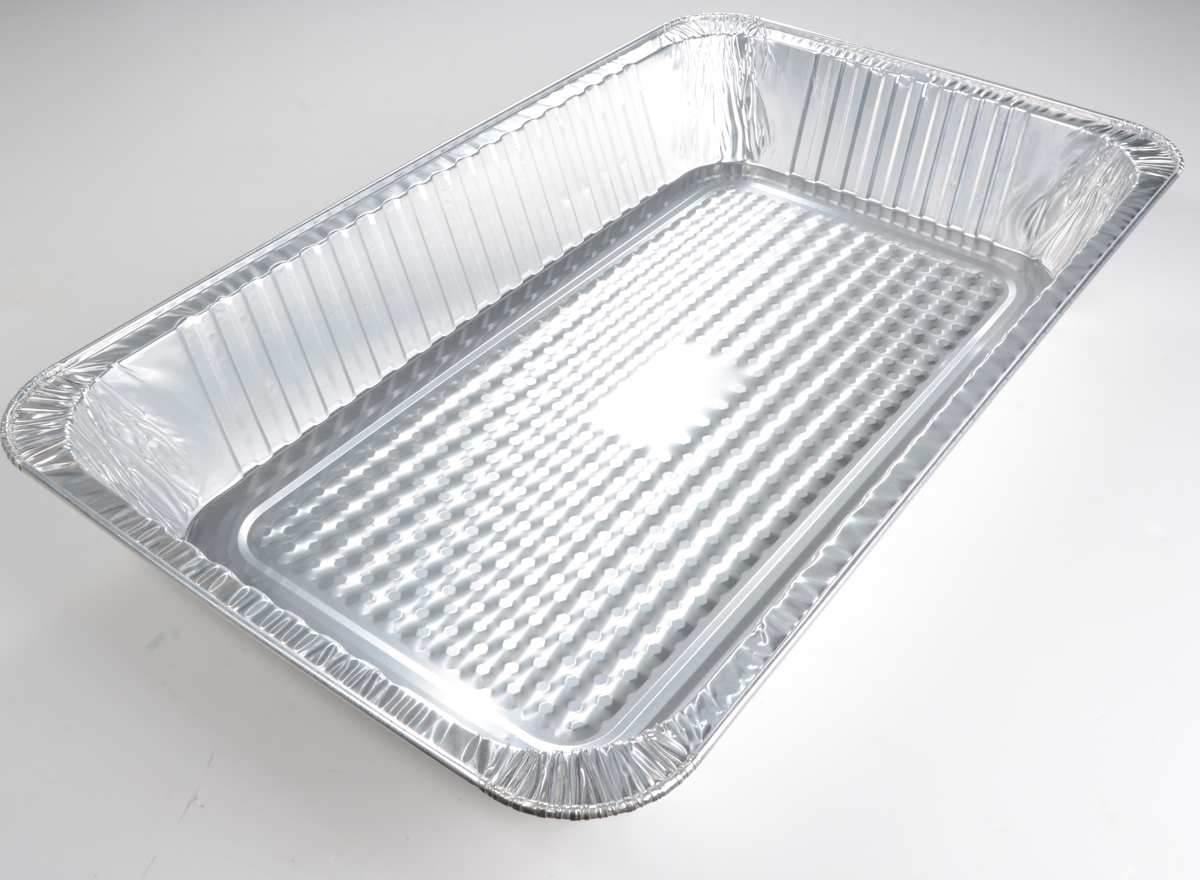 Baking Pan
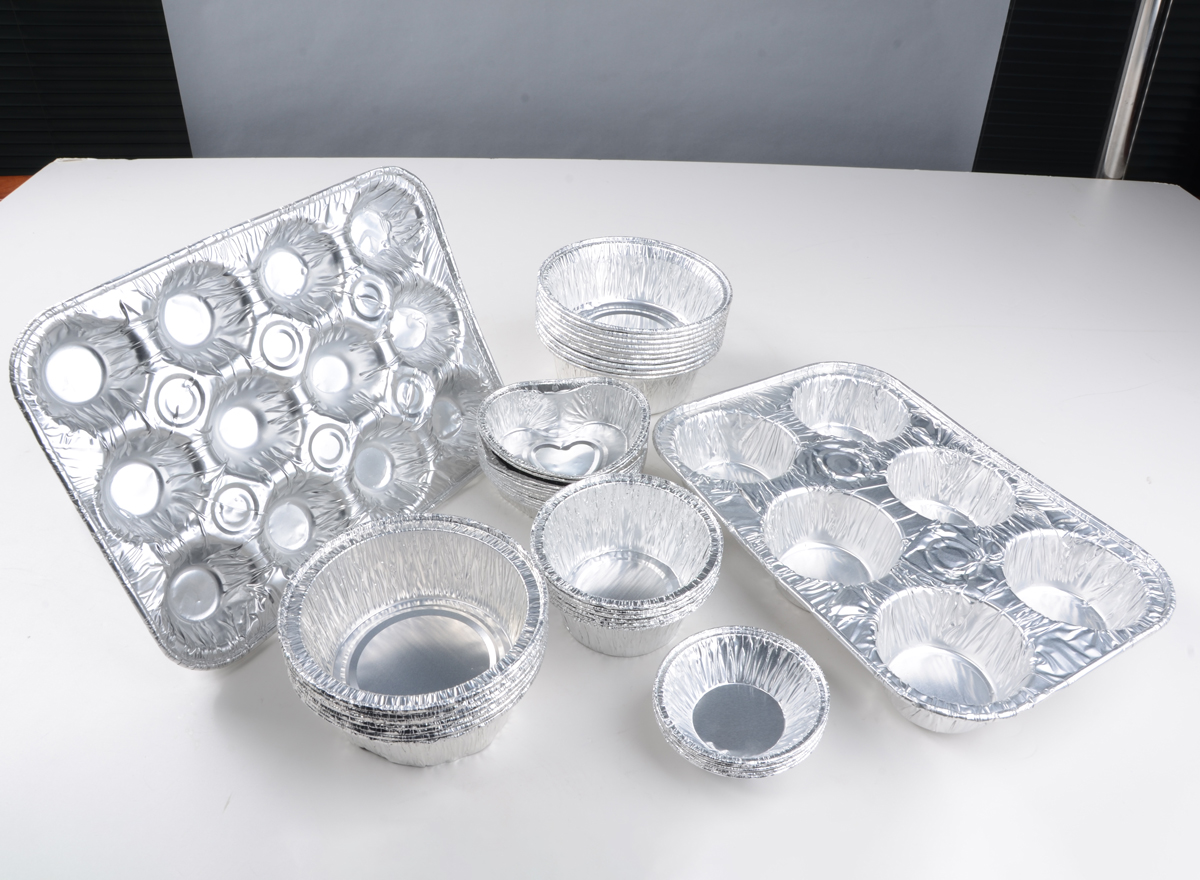 Baking Cup
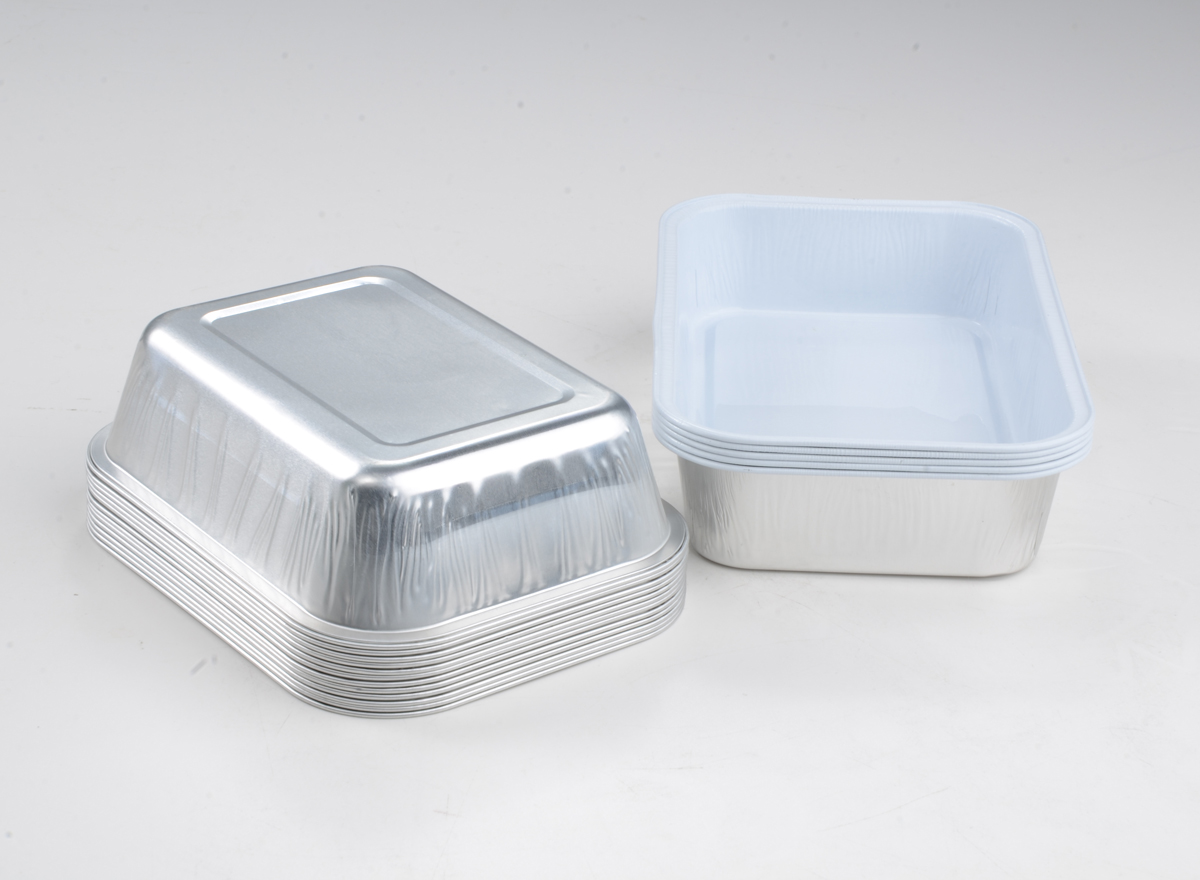 Airline Container
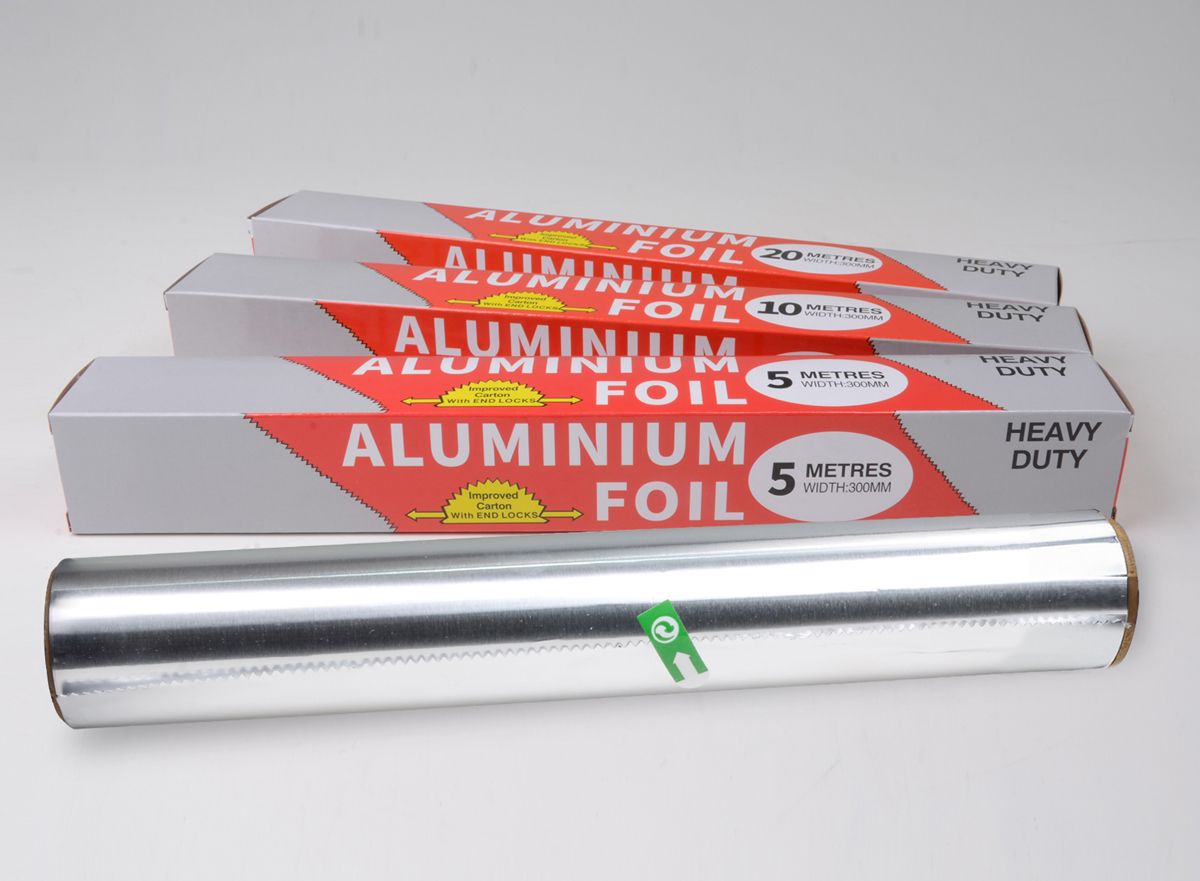 Foil Kitchen Rolls
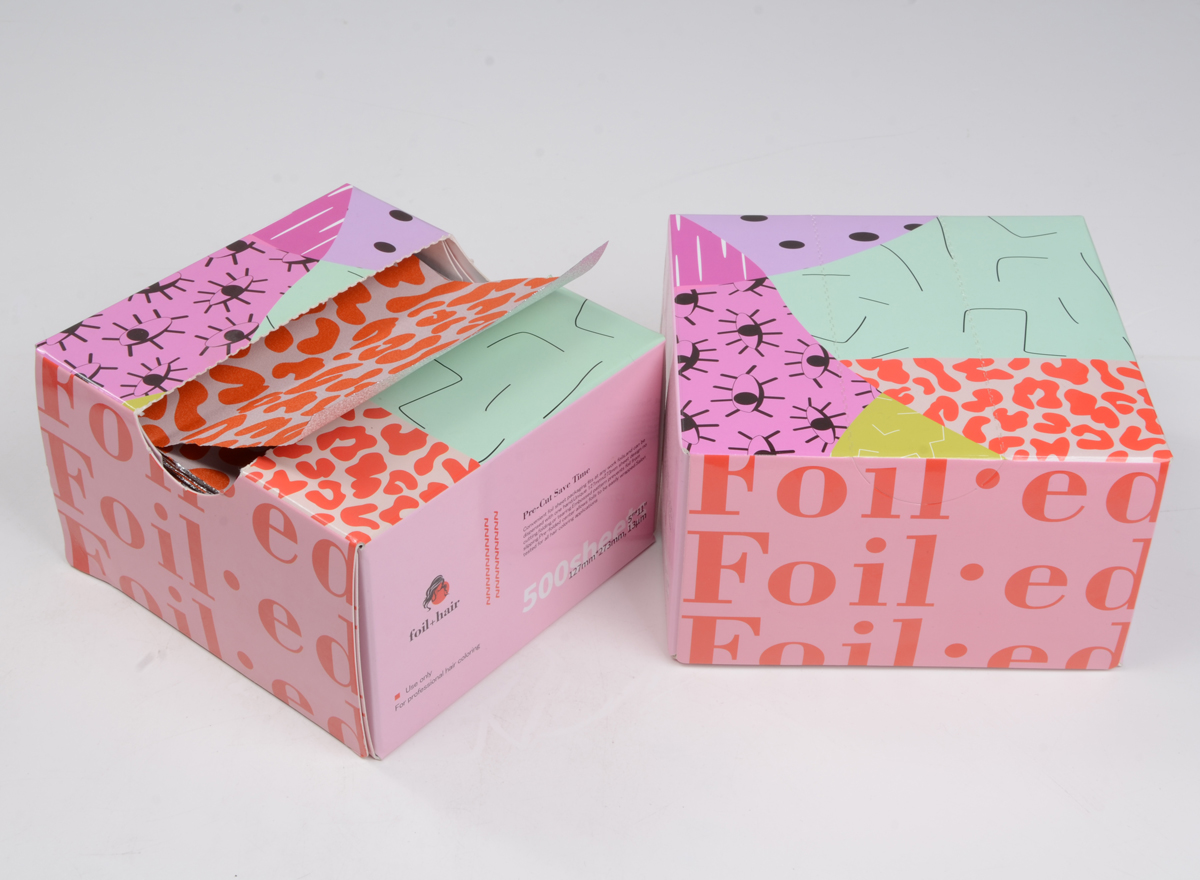 Hairdressing Foil
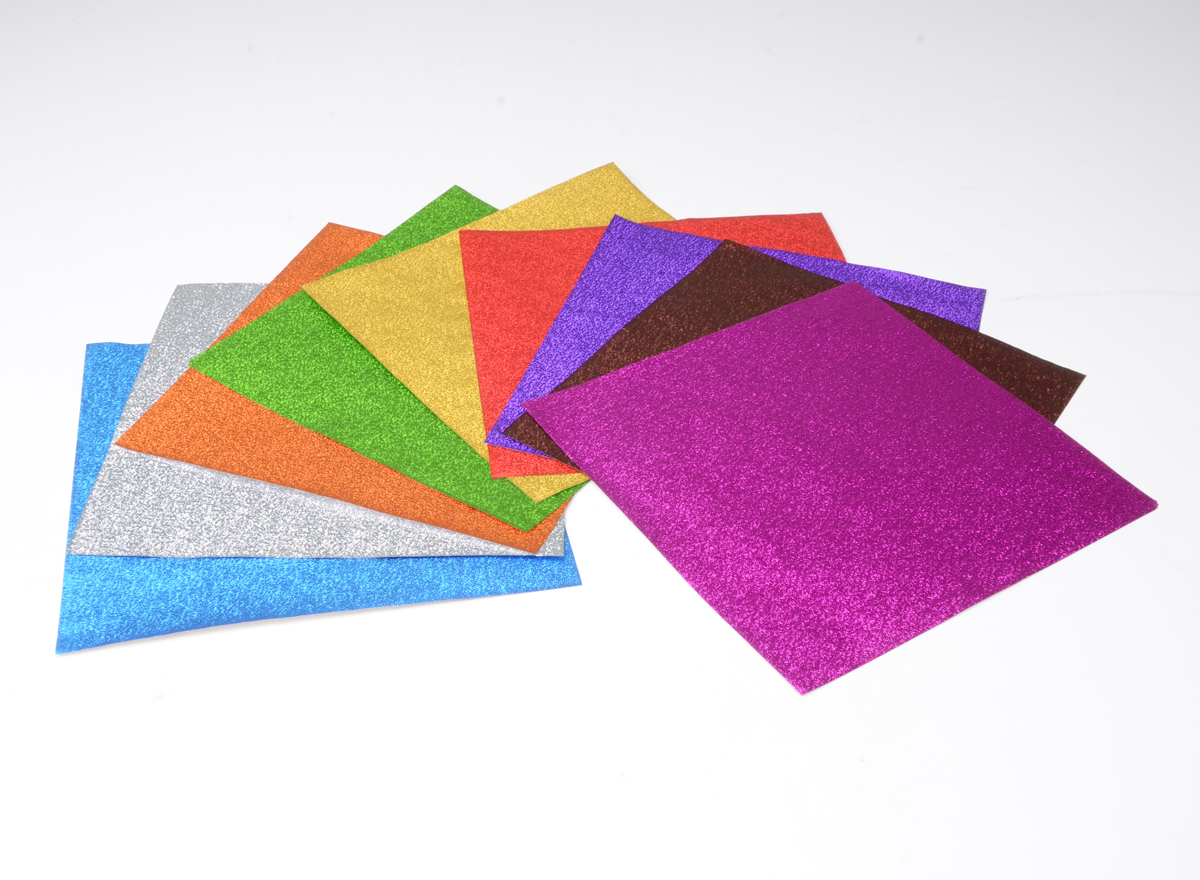 Foil Wrapping Sheets