So, why would someone pick aluminum containers for worldwide packaging? Well, they’re actually a pretty smart choice for companies that operate across different countries. For starters, they’re lightweight, which helps cut down on shipping costs and makes handling easier. Plus, they’re strong enough to protect your products during transit. In some warehouse tests I’ve seen, teams often notice fewer dents in aluminum compared to those flimsy plastic options — which is a big deal when your boxes go through multiple loading and unloading points. It also makes planning warehouse storage and distribution a whole lot smoother.
On top of that, aluminum is excellent at blocking out light, moisture, oxygen, and other pesky external contaminants. Of course, how well it performs really depends on factors like the alloy used, how thick the walls are, the type of closure, and internal coatings. It’s not just about the metal itself—experienced packaging pros should really test the entire container, not only the metal. Things like filling temperatures, sealing torque, stacking limits, and shelf life all matter. And paying attention to small details? Totally worth it. Regular supplier audits and keeping records of quality checks help make sure everything’s reliable.
And let’s not forget recycling. Aluminum is pretty eco-friendly in that sense, especially if you’ve got good collection systems in place. The value of used aluminum can support recovery and reuse, though recycling rates can vary a lot depending on where you are. It’s important to consider this because aluminum isn’t perfect — creating primary metal consumes a lot of energy, and poorly designed containers can waste material. So, being a responsible brand means weighing recycled content, how far your products need to travel, how well they protect, and what options are available at the end of their life.
If you’re searching online, terms like Containers Aluminum seem straightforward, but the real decision should be based on solid evidence. Work with qualified manufacturers, make sure they meet the requirements of your target markets, and ask for material declarations if needed. When you’re careful with testing and sourcing transparency, aluminum containers can really offer durable, efficient, and trustworthy packaging for your global supply chain.

Aluminum Containers Defined: Forms, Alloys, and Global Packaging Uses
Aluminum containers come in several practical forms: foil trays, shallow pans, cans, tubes, and rigid meal boxes. Aluminum Food Containers often use alloys such as 3003 or 8011, selected for formability, strength, and corrosion resistance. Thicker 5000-series alloys can support demanding industrial applications. Each choice affects stacking, sealing, transport weight, and cooking performance.
In global packaging, alloy selection must match the product and filling process. A foil tray handles oven heat well, while a coated container can protect acidic foods. Small details matter. A poorly fitted lid creates waste. The International Aluminium Institute reports that recycling aluminum can save about 95% of the energy needed for primary production. European Aluminium reported a 76% aluminum packaging recycling rate in Europe in 2022, showing the material’s recovery value.
Experience also exposes limitations. Aluminum is lightweight, but producing primary metal remains energy intensive. Containers may need coatings, and mixed materials can complicate recycling. No container is perfect. Designers should specify recycled content, reduce unnecessary thickness, and verify local recovery systems. The World Packaging Organisation emphasizes design choices that support resource efficiency across packaging life cycles. Still, global conditions differ. A recyclable format may perform poorly where collection infrastructure is weak.
Barrier Performance: Aluminum Blocks Light, Oxygen, Moisture, and UV
Aluminum containers earn attention when products face harsh global shipping conditions. Their strongest advantage is barrier performance. Aluminum stops light from reaching sensitive contents. It also limits oxygen and moisture movement when the package is correctly sealed. That protection helps preserve aroma, color, texture, and measured performance. UV exposure is reduced sharply. Small details matter.
In filling operations, teams inspect rims, seams, and closures before distribution. A damaged edge can create a leakage path. A thin liner or coating may improve compatibility with acidic or salty contents. It may also protect against internal corrosion. These decisions should follow migration testing, shelf-life studies, and local packaging requirements. Aluminum is not magic. The container body can perform well while the closure becomes the weak point.
For international logistics, this barrier can reduce dependence on secondary light-blocking materials. It supports more stable storage across warehouses, trucks, and humid ports. Yet performance depends on wall thickness, forming quality, seal integrity, and handling. A puncture may remain invisible until the product changes. That is an uncomfortable lesson. Packaging engineers should test real transport conditions, not rely on material reputation alone.
Lightweight Logistics: Aluminum Supports Efficient Global Transport
Aluminum containers can make international logistics noticeably more efficient. Their low tare weight leaves more room for useful cargo within a truck, ship, or aircraft. That difference matters when freight charges depend on weight and volume. In practical packing tests, teams can compare empty-container weights before approving a route. They also measure pallet height, axle limits, and container stability. Small changes can prevent expensive reloading at a busy terminal. A practical gain.
Aluminum resists moisture and many common atmospheric conditions, helping protect contents during long transfers. Smooth interiors are easier to inspect and clean between approved uses. Rigid walls support consistent stacking when loads are secured correctly. This can reduce crushed cartons and wasted cubic space. Clear markings, weight records, and documented inspections improve traceability across borders. Reliable transport still requires testing for vibration, temperature shifts, and handling impacts. Not every route.
The material has limits that planners should not hide. Dents can weaken closures, and aluminum production requires substantial energy. Recycling systems also differ between countries, so end-of-life planning needs local verification. Compatibility with the product, seals, and protective liners must be checked before shipment. A measured decision considers total transport emissions, not weight alone. In some lanes, a slightly heavier design may provide better durability and fewer replacements. That trade-off deserves honest review.
Recycling Advantage: Recycled Aluminum Uses 95% Less Energy (Aluminum Association)
Why choose aluminum containers for global packaging? Aluminum travels well because it is light, stackable, and resistant to moisture. For Aluminum Grill Containers, this balance supports safer handling during long-distance shipping. Yet recycling gives aluminum its clearest environmental advantage.
The Aluminum Association reports that recycled aluminum uses 95% less energy than primary aluminum. That saving reflects the difference between remelting existing metal and refining new ore. The International Aluminium Institute also identifies recycling as a major route toward lower-energy aluminum production. A used container can return to manufacturing, rather than becoming permanent waste. It can be recycled repeatedly without losing its basic material properties. That is powerful.
However, recycling performance depends on real collection systems. Food residue can reduce recovery quality. Export routes and local sorting capacity also vary widely. The system is not perfect. Packaging producers should examine recycled content, container weight, alloy selection, and end-of-life instructions. These details affect both emissions and recovery rates. A thinner container may reduce shipping energy, but it could resist deformation less effectively. That trade-off deserves testing, not assumptions. Clear labeling helps consumers separate clean aluminum from other materials. Practical design matters at the sorting line.
Carbon Context: Aluminum Makes Up About 2% of Global CO₂ Emissions (IAI)
Why Choose Aluminum Containers for Global Packaging?
Aluminum containers support global packaging because they are light, strong, and suitable for many supply chains. They protect contents from moisture, light, and sudden temperature changes. In practical packaging reviews, this can reduce damaged goods during long transport. A dented container still needs attention, though. Better performance does not mean zero waste.
The International Aluminium Institute reports that aluminum contributes about 2% of global CO₂ emissions. This figure deserves careful interpretation. Emissions come mainly from mining, refining, smelting, and electricity use. Container design alone cannot solve that burden. However, recycled aluminum usually requires far less energy than primary production. Its recovery value also encourages collection in many markets. Results vary by region, power source, and recycling access.
Tips: Choose the right thickness, avoid unnecessary coatings, and design containers for easy sorting. Ask suppliers about recycled content and verified emissions data. Keep transport efficient by selecting stackable sizes. Airline Aluminum Containers can support demanding cargo conditions, but weight and durability must be balanced. A lighter package may lower transport emissions. Yet it may fail sooner if the structure is too thin. That trade-off is easy to overlook.
Supply-Chain Compliance: Food Safety Standards and Regional Regulations
Aluminum containers can simplify international food packaging, but material choice alone does not establish compliance. Catering Aluminum Containers must match the food, filling process, storage temperature, and destination market. A tomato sauce may contact bare aluminum differently from a dry pastry. Salt, acids, heat, and long storage can increase interaction at the food-contact surface. That detail matters.
Reliable suppliers should provide material specifications, food-contact declarations, migration test results, and traceability records. These documents should identify alloys, coatings, inks, adhesives, and intended temperature limits. Requirements differ across regions, even when the container looks identical. In the United States, applicable food-contact rules must be checked alongside state and customer requirements. In the European Union, framework rules, specific substance restrictions, and good manufacturing practice all influence approval. Other markets may require local registration, language-specific labeling, or different testing methods. A certificate without a clear scope is not enough.
Packaging teams should compare the container against the actual recipe and packing line. They can review seal integrity after hot filling, inspect coating continuity, and retain samples from each lot. Clear lot codes support recalls and supplier investigations. However, paperwork can create false confidence. A test performed on an empty container may not represent a salty meal stored for weeks. Conditions change. For that reason, periodic verification, documented change control, and direct communication with importers remain essential.
Choosing the Format: Cans, Trays, Foils, Tubes, and Reusable Containers
Why Choose Aluminum Containers for Global Packaging?
Choosing the format matters as much as choosing the material. Cans protect liquids and dry goods from light, oxygen, and rough transport. Trays suit portioned foods, medical supplies, and products needing clean presentation. Their rigid walls reduce crushing during stacking. However, deep trays can require more forming energy and careful tooling.
Foils are extremely light and useful for lids, wraps, and moisture barriers. They need protective coatings when contents could react with bare aluminum. Tubes offer controlled dispensing for creams, gels, and household products. Their narrow openings can reduce waste, but closures and seals must be tested repeatedly. Small design changes affect user experience.
Reusable aluminum containers work well where return systems are practical. They resist repeated handling and can support long service lives. Cleaning, collection, and reverse transport still require real infrastructure. Otherwise, the environmental benefit may be overstated. It depends.
In packaging trials, I would compare leakage, dent resistance, filling speed, and recycling routes before selecting a format. Foil may win on weight, while a can may perform better on warehouse durability. Trays can improve portion control, yet their shape may increase shipping volume. Tubes feel convenient, but thin walls can frustrate users when nearly empty. No format is perfect. Test before scaling.
Why Choose Aluminum Containers for Global Packaging?
Choosing the Format: Cans, Trays, Foils, Tubes, and Reusable Containers
How to read the chart: Aluminum packaging formats use different typical material thicknesses. Foils prioritize lightweight barrier protection, while reusable containers use thicker walls for repeated handling and longer service life.
Thicknesses show representative commercial ranges in millimeters. Actual specifications vary according to package size, forming method, product requirements, and applicable regulations.
Aluminum Foil Trays for Roasted Veggies & Mac and Cheese: Insights from Smithers and Grand View Research Reports
The 800ML aluminum foil tray is a practical choice for preparing and serving roasted vegetables and macaroni and cheese. Its compact capacity suits individual portions, side dishes, takeout meals, and casual catering, while the foil construction helps distribute heat efficiently during oven cooking. Roasted carrots, potatoes, zucchini, and peppers can be cooked directly in the tray, reducing the need for extra cookware and simplifying preparation. Its raised edges also help contain sauces, melted cheese, and cooking juices.
Recent industry research on foodservice and packaging trends highlights growing interest in convenient, portion-controlled formats that support takeaway dining, meal preparation, and easier cleanup. An 800ML tray meets these needs with a lightweight design that can be stacked, transported, and disposed of through appropriate local recycling systems. For macaroni and cheese, the tray provides enough room for a generous serving while helping maintain presentation from kitchen to table. For roasted vegetables, it offers a clean, structured surface that supports even arrangement and efficient handling in busy kitchens, home cooking environments, and catered events.
FAQS
Common forms include foil trays, shallow pans, cans, tubes, and rigid meal boxes. Each shape suits different filling and transport needs.
3003 and 8011 alloys offer good formability, strength, and corrosion resistance. Thicker 5000-series alloys suit more demanding industrial uses.
Alloy choice influences stacking strength, sealing, transport weight, and cooking performance. A weak choice may cause bending or poor lid alignment.
Foil trays handle oven heat well. Coated containers can better protect acidic foods and reduce unwanted reactions.
Aluminum is lightweight, stackable, and resistant to moisture. These features help containers travel long distances with less handling difficulty.
Recycled aluminum can use about 95% less energy than newly produced aluminum. That is a major advantage.
Yes, aluminum can return to manufacturing many times without losing its basic material properties. Food residue can still reduce recovery quality.
Designers can increase recycled content, reduce unnecessary thickness, and avoid difficult mixed materials. Clear disposal instructions also help sorting.
Producing primary aluminum remains energy intensive. Coatings and mixed materials may complicate recycling.
Not always. Local collection and sorting systems matter. A recyclable design may perform poorly where recovery infrastructure is weak.
Conclusion
Aluminum Containers are versatile packaging solutions made from different aluminum forms and alloys, including cans, trays, foils, tubes, and reusable designs. Their strong barrier performance helps block light, oxygen, moisture, and ultraviolet exposure, protecting product quality during storage and distribution. At the same time, aluminum is lightweight, making it easier to reduce transport weight, improve handling efficiency, and support global logistics.
Sustainability is another important advantage. Recycled aluminum can require about 95% less energy than producing primary aluminum, helping conserve resources and reduce manufacturing impacts. However, responsible packaging decisions should also consider aluminum’s broader carbon context, as the material contributes roughly 2% of global carbon dioxide emissions. Selecting suitable formats, optimizing material use, and supporting recycling can improve its environmental performance. Food-contact applications must also meet relevant safety standards and regional regulations to ensure reliable use across international supply chains.

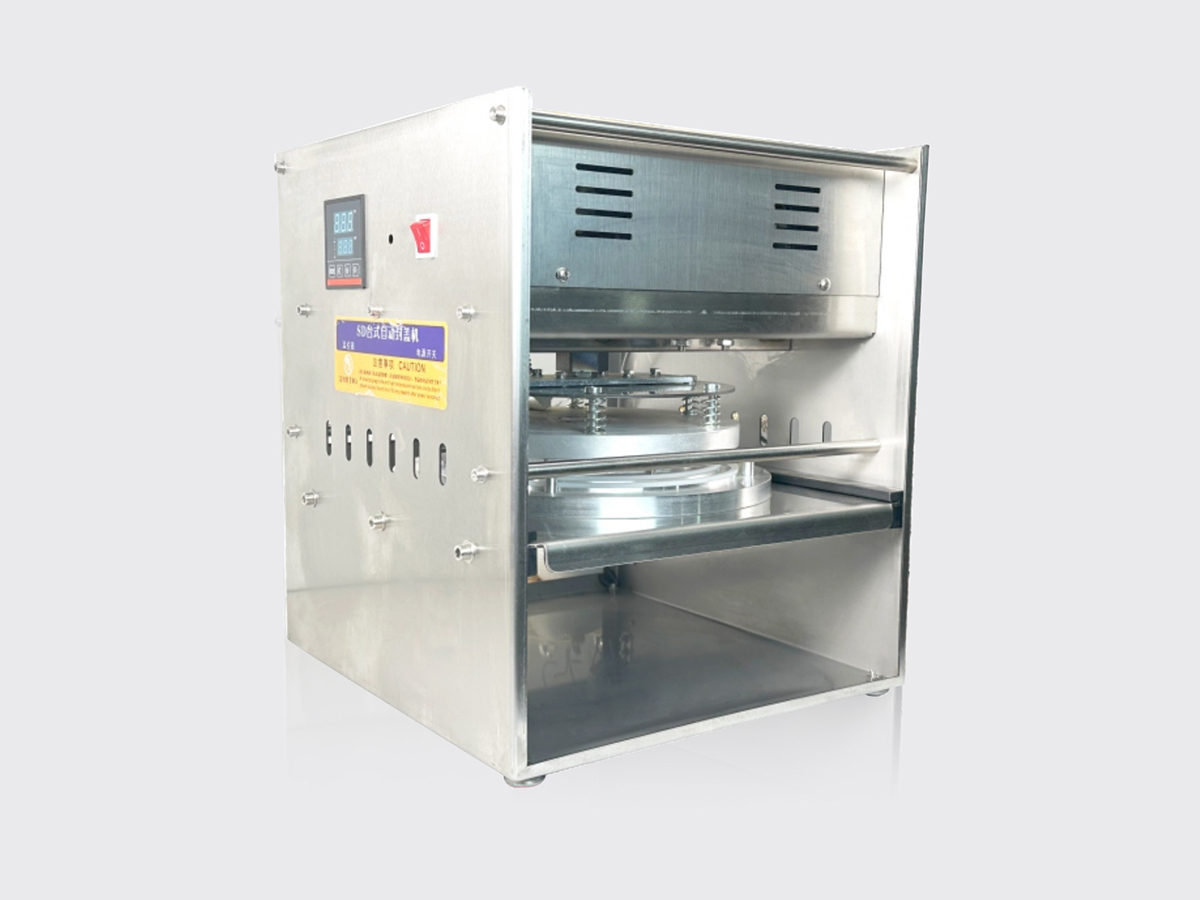 Foil Container
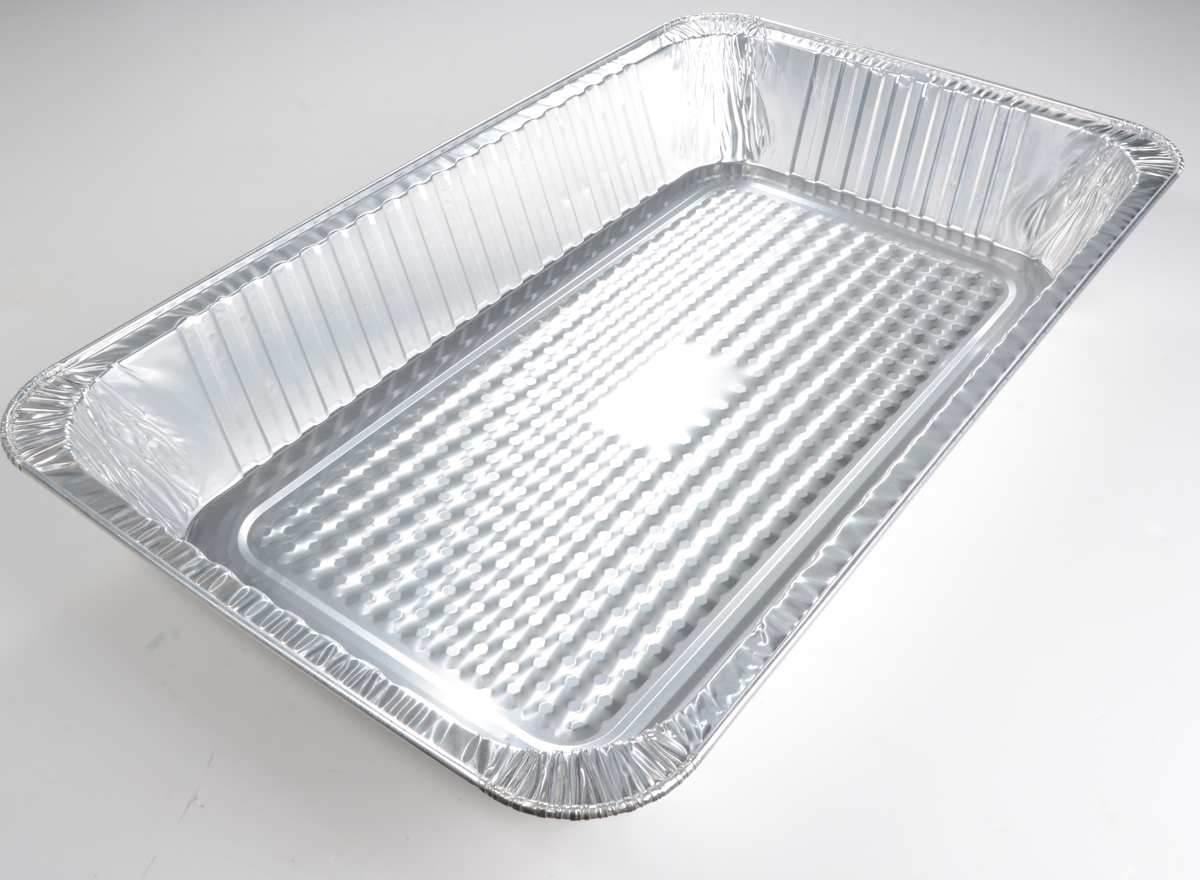 Baking Pan
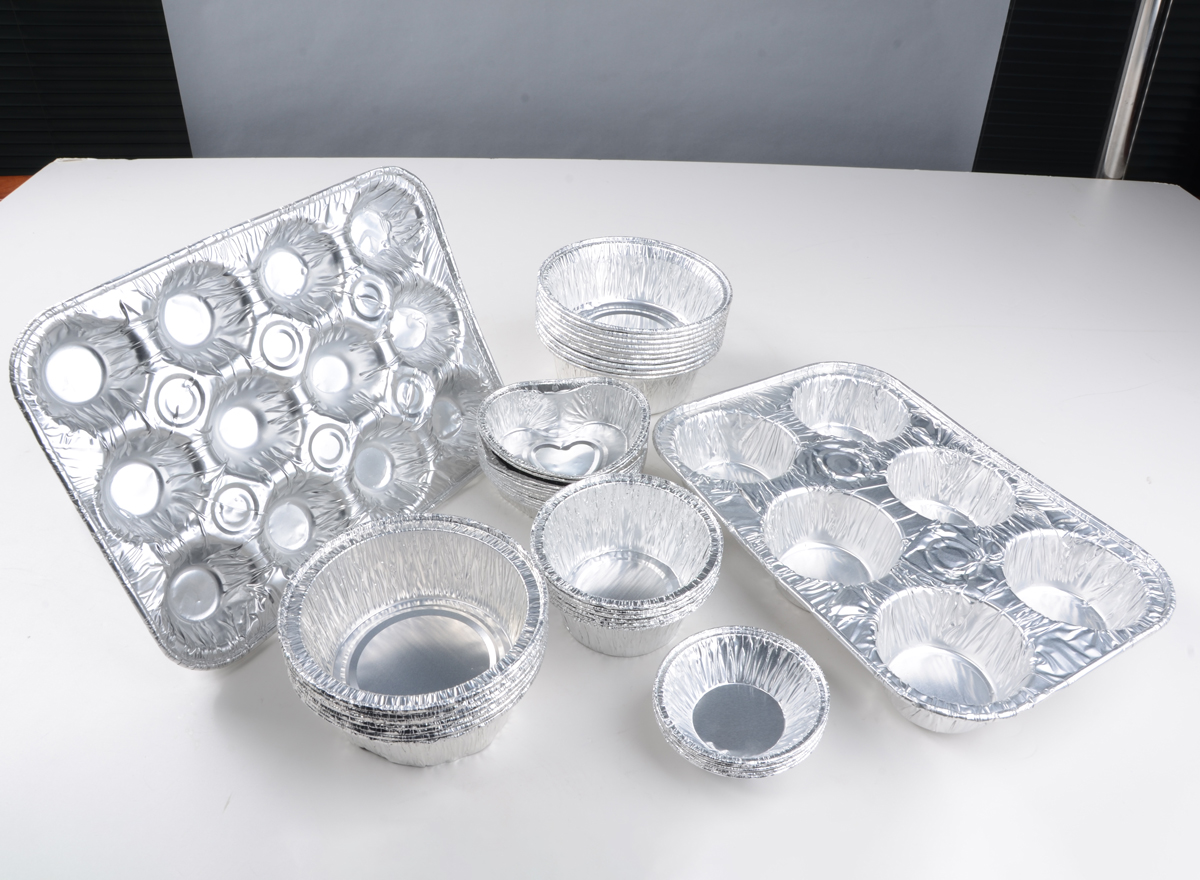 Baking Cup
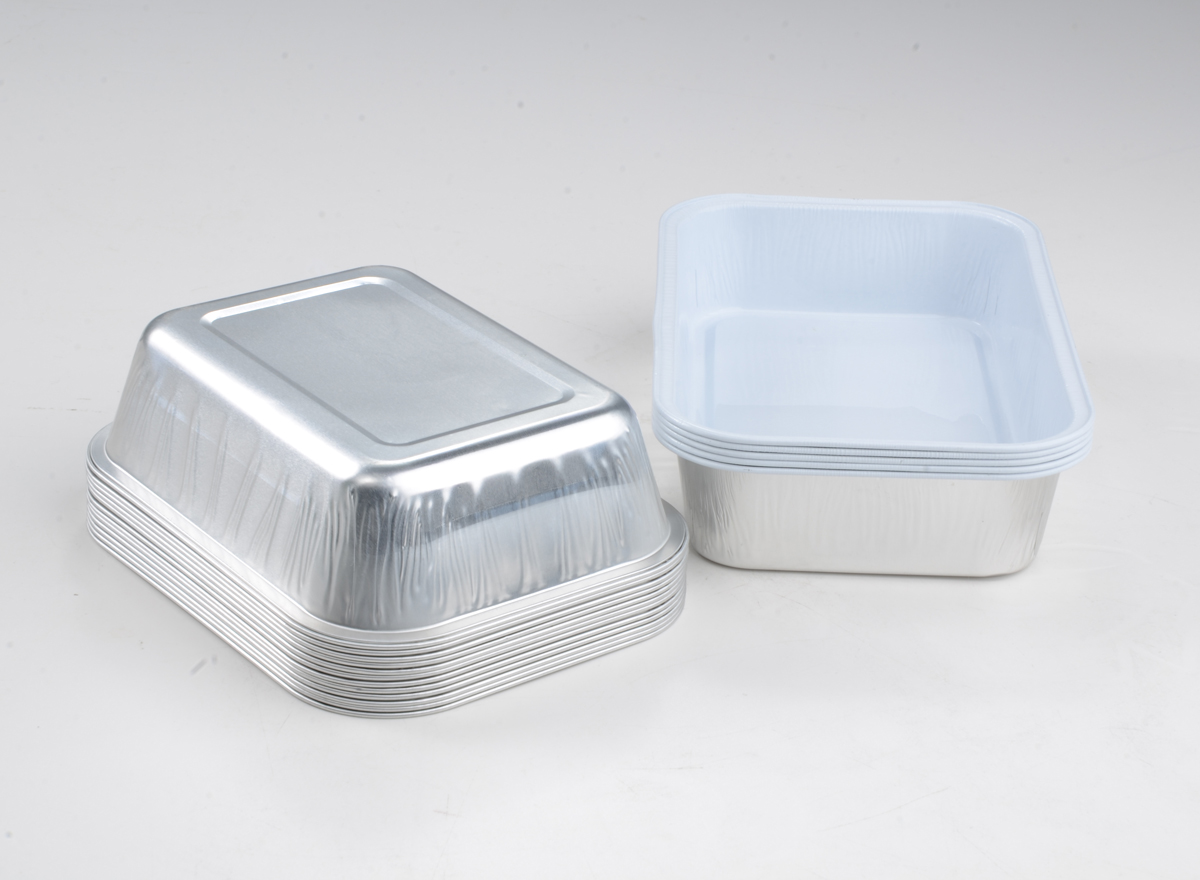 Airline Container
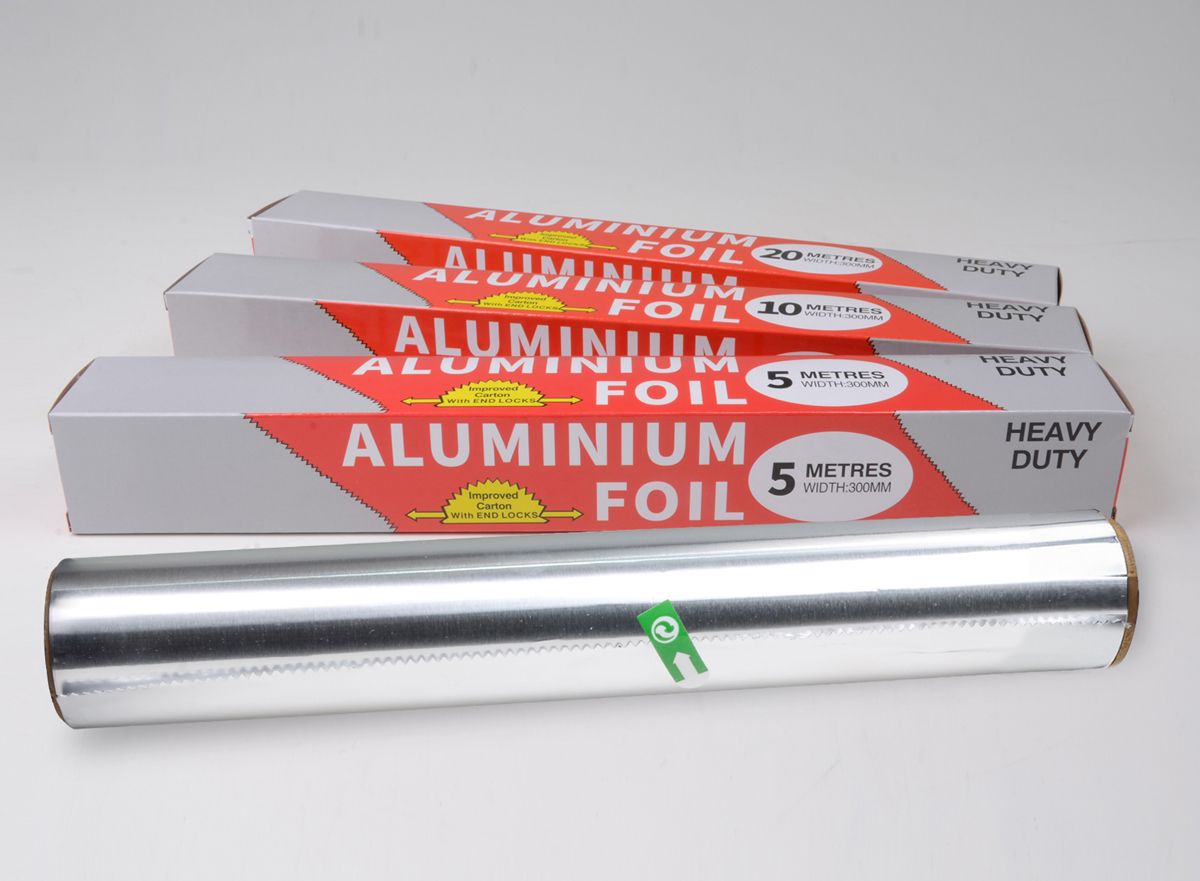 Foil Kitchen Rolls
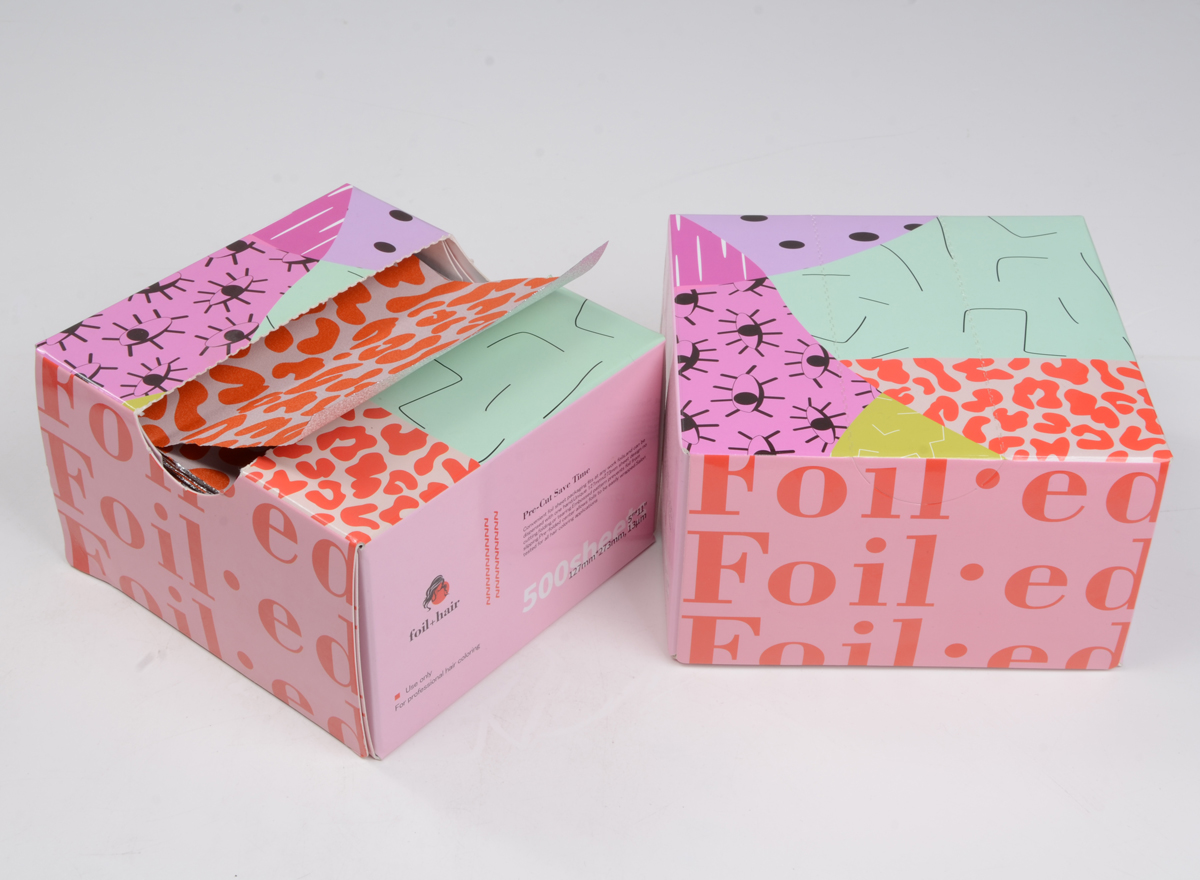 Hairdressing Foil
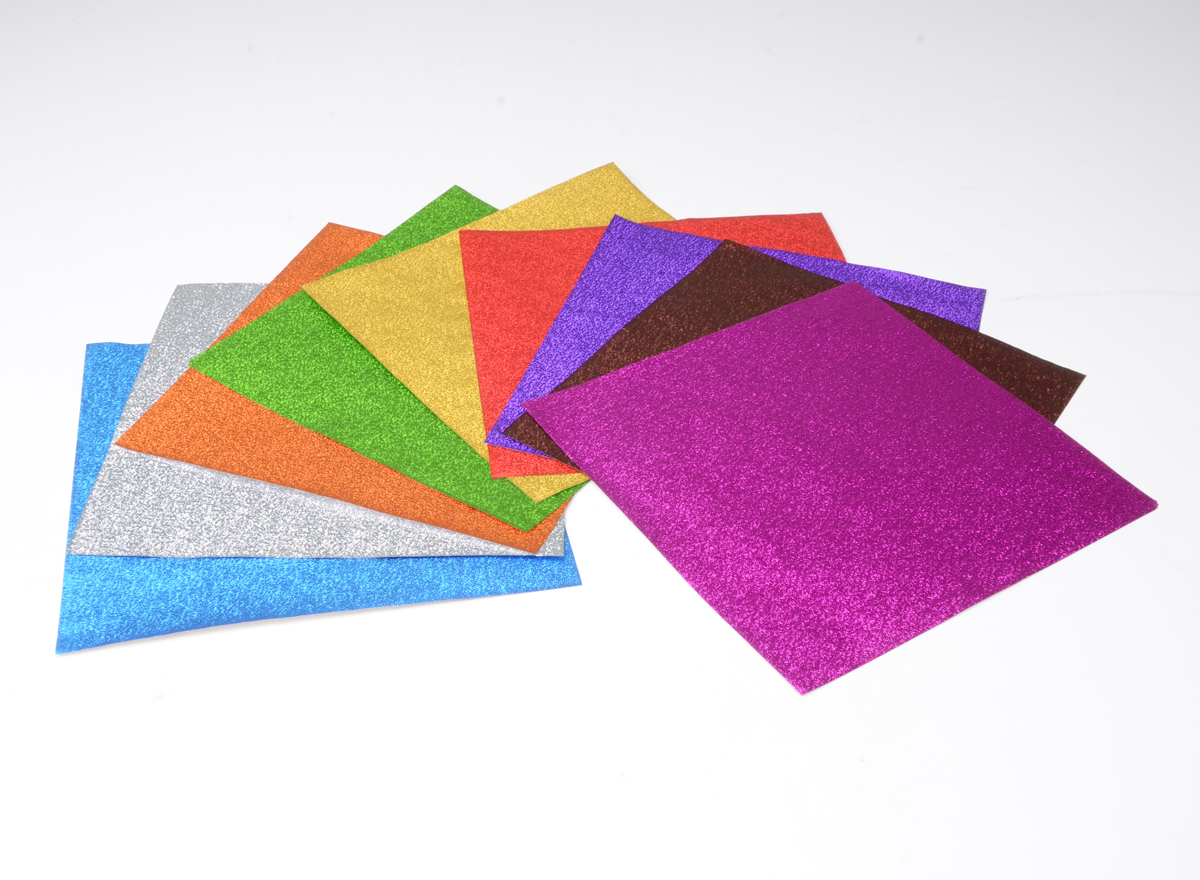 Foil Wrapping Sheets