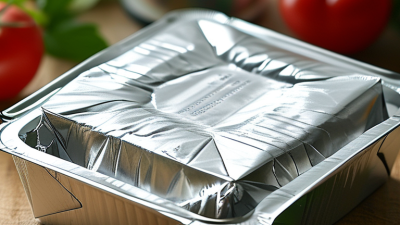
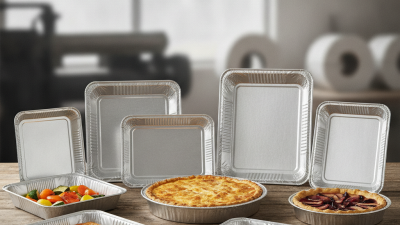
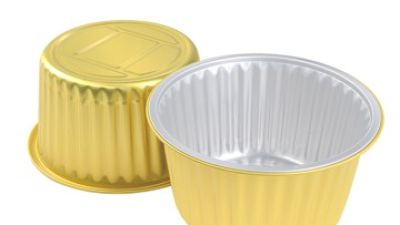
When running a food business, choosing the right packaging isn’t just about looks – it actually impacts safety, how your food’s presented, and how smoothly things run day-to-day. Take a Silver Foil Container, for example. It’s pretty handy for ticking those boxes. Its shiny, reflective surface makes your display look clean and professional, whether it’s sitting on a counter or stacked on a delivery shelf. The tough aluminum build means it can handle hot or cold foods without breaking a sweat. You can even move it straight from preparing the food to the oven, cooler, or serving spot — when the product specs allow, of course. That’s a real timesaver in busy kitchens. Less unnecessary shifting means fewer spills and messes, especially during those peak hours. Small details like this really matter when you’re trying to keep things running smoothly.
Now, it’s not some magic bullet. Its effectiveness truly depends on the quality of the alloy, how the lid is designed, how well it seals, and making sure you’re using it at the right temperatures. If you’re dealing with acidic or salty foods, you’ll want to double-check that the container is compatible. Seasoned packaging teams always review these things before giving a thumbs up. They also factor in how easy it is to stack, portion sizes, how far the food needs to travel, and whether recycling facilities are accessible. Reputable suppliers should provide clear info about food contact safety, material details, and tips on proper use. Sometimes, independent testing offers extra peace of mind—especially when you’re producing large quantities. A good Silver Foil Container should keep your food safe and intact without causing extra headaches operationally. Plus, it should align with your brand’s environmental goals—not just to look green but to actually be sustainable. Keep in mind, recycling options vary depending on where you are, and genuine recovery depends on local recycling programs. That’s a pretty important thing to be honest about. The key is balancing protection, how it looks, cost, and proven performance. When suppliers and food makers dig into these details together, foil packaging turns into a really thoughtful tool—not just something disposable but a smart part of your operation.
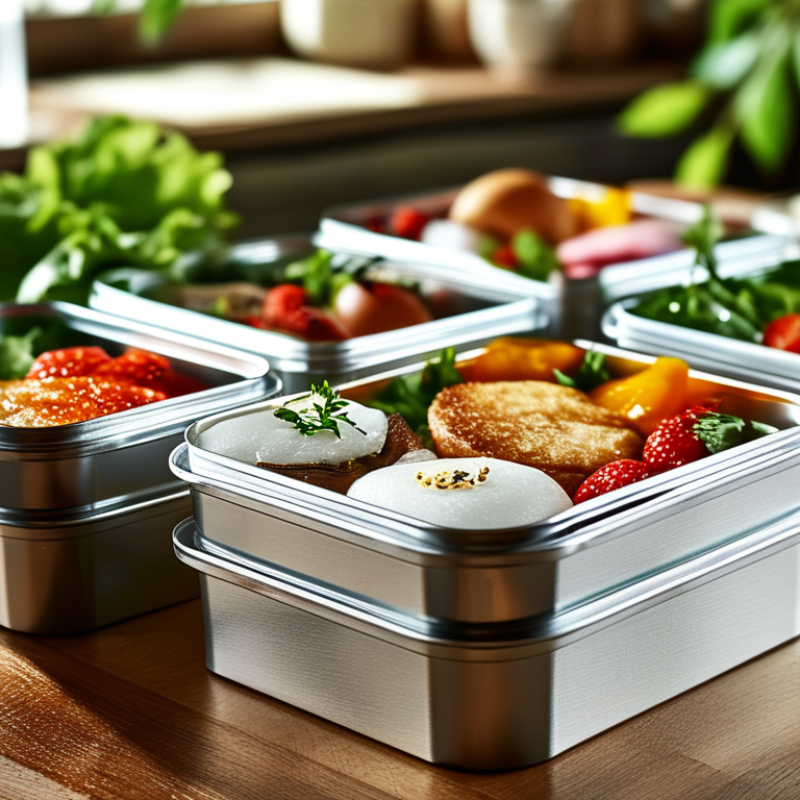
What Is a Silver Foil Container and How Is It Manufactured?
Why Choose Silver Foil Container for Food Packaging?
A silver foil container usually means an aluminum foil container, not one made from silver. Aluminum foil is rolled into thin sheets, slit into coils, and cut into blanks. A forming press then shapes each blank with controlled pressure. The container may receive a food-contact coating or surface treatment. This step improves release, sealing, and resistance to acidic foods.
Manufacturers check foil thickness, pinholes, dimensions, and forming strength during production. These controls matter because a tiny defect can cause leakage during transport or reheating. The International Aluminium Institute reports that recycling aluminum requires about 5% of the energy used for primary aluminum production. This supports aluminum’s circularity, although collection and sorting remain uneven worldwide. The process is practical, but not flawless. Scrap rates, coating choices, and energy sources still affect its footprint. Data from industry reports should be read carefully, because regional systems produce different results.
Tips: Choose a container with verified food-contact compliance. Match the foil thickness to the meal’s weight and temperature. Avoid sharp edges during filling. Separate clean aluminum from food waste before recycling. A real-world check helps: press the rim gently and inspect the corners. Some containers look strong but deform easily.
How 100% Light, Oxygen, and Moisture Barrier Protects Food Quality
Food quality often changes before anyone notices. A warm, bright shelf can fade color, weaken aroma, and accelerate oxidation. A silver foil container blocks light completely when the foil remains continuous. It also provides a 100% barrier against oxygen and moisture, two quiet causes of staling. That protection starts with the material.
During packaging checks, I look for clean edges, firm seals, and undamaged corners. A pinhole or loose lid can defeat an otherwise excellent barrier. For cooked rice, roasted vegetables, or sliced meat, this matters in practical ways. Steam stays controlled, surface texture holds longer, and outside odors stay away. The food looks fresher when opened.
Still, the container is not magic. Repeated opening introduces air. Hot food can also create condensation beneath the lid. Cooling food according to handling requirements helps reduce that risk. A Silver Foil Storage Container works best with a compatible lid and careful handling. Do not drag it across rough counters. Small scratches may become weak points. From a packaging quality perspective, the barrier is highly valuable. Yet closure integrity must remain intact. That detail is easy to overlook. Perhaps barrier performance should be checked after transport, not only after filling.
Why Aluminum’s 660°C Melting Point Supports High-Temperature Cooking
Aluminum’s melting point is about 660°C, far above normal baking and roasting temperatures. That margin helps a foil container keep its shape near a 200–250°C oven. It supports cooking tasks involving bubbling sauces, roasted vegetables, and crisp, browned edges. Heat moves quickly through thin aluminum, so food often warms evenly across the tray. That practical response can reduce cold centers and shorten serving preparation. Heat matters. Still, the metal is not invincible.
Thin walls can bend when loaded with hot food. Steam, sharp utensils, and sudden temperature changes also deserve attention. An experienced packer checks more than melting point. They inspect the rim, lid fit, coating, and oven instructions. Aluminum may tolerate intense heat, while a plastic lid cannot. Some coatings also have lower limits, especially with acidic or salty foods. Therefore, 660°C is a material property, not a cooking recommendation. Real use depends on the complete container system.
A Takeaway Silver Foil Container can move from preparation to service with fewer transfers. That reduces spills and keeps roasted juices close to the food. Yet I would not treat every tray as identical. Manufacturing thickness and edge design can change handling noticeably. Place the container on a stable baking sheet when carrying heavy portions. Use insulated gloves, leave room for expansion, and follow stated temperature limits. Design still matters.
How Foil Containers Improve Shelf Life, Hygiene, and Portion Control
Why Choose Silver Foil Container for Food Packaging?
How Foil Containers Improve Shelf Life, Hygiene, and Portion Control
A Silver Aluminum Foil Container creates a strong barrier against light, oxygen, and moisture. This barrier can help protect cooked meals from drying, odors, and flavor changes during storage. It also tolerates oven heat, making it practical for baking, roasting, and reheating when usage instructions allow it. Shelf life still depends on cooling speed, sealing quality, temperature, and the food itself. Not a magic fix.
In busy kitchens, foil containers support cleaner portion handling. Each container can hold one measured serving, reducing repeated scooping and unnecessary contact. A 500-milliliter container may suit a lunch meal, while deeper formats can hold stews or layered dishes. Clear labeling remains important, especially when meals look similar. Small details matter.
The container’s fitted rim can support a tighter cover, helping limit spills during delivery or storage. However, sharp edges, poor closure, or condensation can weaken hygiene and presentation. Acidic or salty foods may also require material compatibility checks before extended storage. Practical testing is wise. A short storage trial can reveal leaks, texture changes, or unwanted metallic reactions before large-scale packing begins. In my view, foil packaging works best when paired with disciplined cooling, clean filling practices, and realistic portion planning.
Which FDA and EU 1935/2004 Standards Govern Food-Contact Safety?
Why Choose Silver Foil Container for Food Packaging?
Silver foil containers offer strong heat transfer, light protection, and a useful barrier against moisture and oxygen. Under FDA rules, safety is not granted by the word “foil” alone. Compliance requires checking aluminum composition, coatings, adhesives, inks, and intended use. Relevant controls may include 21 CFR Parts 174–178 and the general GMP requirement in 21 CFR 174.5. The exact requirements depend on the container’s construction and application. Use matters.
In Europe, Regulation (EC) No 1935/2004 provides the main food-contact framework. Article 3 requires materials to avoid harmful substance transfer, unwanted food changes, and taste or odor damage. Article 17 addresses traceability. Regulation (EC) No 2023/2006 adds good manufacturing practice requirements. Aluminum has no single, fully harmonized EU measure for every container. National rules and coating-specific requirements may also apply. This is easy to miss.
A responsible supplier should provide material data, migration test reports, temperature limits, and traceability records. Testing should reflect real use, including acidic tomato sauce, salty meals, chilled storage, and oven heating. Coated containers need assessment of the coating, not only the bare foil. A declaration of compliance should connect evidence to the exact product. Paperwork can look complete while the food-contact scenario remains untested. That gap deserves review.
Why Recycling Aluminum Saves About 95% of Primary Production Energy
Why Choose Silver Foil Container for Food Packaging?
Why Recycling Aluminum Saves About 95% of Primary Production Energy
Silver foil containers are commonly made from aluminum, a lightweight metal that protects food from light, oxygen, and moisture. An Oven Safe Silver Foil Container can handle many baking and roasting tasks when its product instructions permit it. It also spreads heat efficiently, helping food warm evenly. That practical performance matters in busy kitchens, catering services, and takeaway operations.
Recycling aluminum saves about 95% of the energy required for primary production, according to widely cited industry and environmental assessments. The reason is simple: recycled aluminum needs melting, not extraction and refining from ore. A used container can return to the material cycle repeatedly, although recycling systems differ by location. Not every facility accepts foil containers. That detail is easy to miss. I once assumed every clean tray belonged in the recycling bin, but local rules proved less straightforward. Clean, dry aluminum has a better chance of being accepted than food-covered packaging.
Tips: Remove food scraps before disposal, and check your local recycling guidance. Flatten containers when practical, but avoid mixing them with wet waste. Keep foil separate from materials that cannot be recovered. For oven use, leave space around the food and avoid direct contact with heating elements. Small mistakes happen. Better sorting still reduces wasted energy.
Why Choose Silver Foil Container for Food Packaging? - Why Recycling Aluminum Saves About 95% of Primary Production Energy
| Data Dimension |
Verified Data |
Packaging Benefit |
| Material appearance |
Food foil containers are generally made from aluminum, which naturally has a silver-colored metallic appearance. |
Provides a clean, reflective appearance without requiring a metallic coating. |
| Energy required for recycled aluminum |
Recycling aluminum requires approximately 5% of the energy used to produce primary aluminum from bauxite ore. |
About 95% less production energy when recycled aluminum replaces primary aluminum. |
| Material recyclability |
Aluminum can be recycled repeatedly without losing its essential material properties. |
Supports closed-loop material use and reduces the need for newly extracted raw materials. |
| Food-contact barrier |
Aluminum provides a strong barrier against light, oxygen, moisture, and many external odors. |
Helps protect food quality, flavor, aroma, and shelf life. |
| Thermal conductivity |
Aluminum has high thermal conductivity compared with many common packaging materials. |
Promotes relatively uniform heating and cooling, subject to the container design and food-processing conditions. |
| Temperature performance |
Aluminum remains stable across a wide range of food-processing and storage temperatures; the exact limit depends on the container, coating, and use conditions. |
Suitable for many chilled, frozen, baking, and reheating applications when approved for the intended use. |
| Lightweighting potential |
Aluminum can be formed into thin walls and foil structures while maintaining useful strength for many food-container designs. |
Can reduce packaging material use and transportation weight when the design is properly optimized. |
| Recycling collection |
Recycling availability varies by region. Food containers should be emptied and checked against local recycling rules before disposal. |
Clean, accepted aluminum packaging can re-enter the material-recycling stream instead of being sent to landfill. |
| Primary aluminum production route |
Primary aluminum is produced from bauxite through alumina refining and electrolytic smelting. |
Recycling avoids most of the energy-intensive refining and smelting stages. |
| Key environmental consideration |
The environmental impact depends on the energy source, recycled content, manufacturing efficiency, transport, and end-of-life recovery. |
Using recycled content and improving collection can substantially reduce the energy intensity of aluminum packaging. |
Note: The approximately 95% energy-saving figure is an industry-average comparison between recycled aluminum production and primary aluminum production. Actual results vary according to production technology, electricity mix, recycled content, and regional recycling systems.
Reference basis: International Aluminium Institute and U.S. Environmental Protection Agency materials on aluminum production, recycling, energy use, and resource conservation.
Deep Wall Gold Foil Containers: Smart Solutions for Bulk Soup Bases and Giant Party Platters
Deep wall gold foil containers offer a practical solution for commercial kitchens, caterers, and event hosts handling large-volume meals. With a generous 1700ML capacity, each container is well suited to bulk soup bases, stews, sauces, baked pasta, and oversized party platters. The deep-wall structure provides additional room for generous portions while helping reduce spills during filling, transport, and service. Its gold foil appearance also creates a polished presentation for buffet lines, catered gatherings, and takeaway meals without requiring separate serving dishes.
Portion control and reliable food handling are increasingly important as foodservice operators work to reduce waste. The UNEP Food Waste Index Report 2024 estimates that approximately 1.05 billion tonnes of food were wasted globally in 2022, highlighting the value of better storage, portioning, and distribution practices. A 1700ML container can support standardized batch preparation, making it easier to organize inventory and serve consistent quantities. The Food and Agriculture Organization also emphasizes that packaging can help protect food quality and extend usability across supply chains. For hot soup bases or large shared dishes, deep foil containers provide a lightweight, stackable format that supports kitchen efficiency from preparation through delivery and presentation.
FAQS
It usually means an aluminum foil container, not a container made from silver. Aluminum is lightweight and conducts heat well. The name can mislead.
Aluminum is rolled into thin sheets, slit into coils, and cut into flat blanks. A forming press shapes each blank with controlled pressure. Some containers receive coatings or surface treatments.
Coatings can improve food release, sealing, and resistance to acidic foods. They may also protect the foil surface. The coating itself requires safety assessment.
In the United States, relevant controls may include 21 CFR Parts 174–178 and good manufacturing practices. In Europe, Regulation (EC) No 1935/2004 provides the main framework. Regulation (EC) No 2023/2006 covers manufacturing practices. Requirements depend on materials and intended use.
Request material data, migration test reports, temperature limits, and traceability records. A declaration of compliance should match the exact container. General paperwork may not prove suitability for every meal.
Testing should reflect real use, including tomato sauce, salty meals, chilled storage, and oven heating. Coated containers need coating tests too. This detail is often overlooked.
Check foil thickness, pinholes, dimensions, and forming strength. Press the rim gently and inspect the corners. Watch for leakage risks. Some containers look strong but deform easily.
No. Recycling aluminum uses far less energy than producing primary aluminum, but collection and sorting remain uneven. Scrap rates and energy sources still affect impact. Regional data can differ considerably. The picture is useful, but incomplete.
Conclusion
A Silver Foil Container is a lightweight food-packaging solution made by rolling aluminum into thin foil and forming it into practical shapes through stamping or pressing. Its complete barrier against light, oxygen, and moisture helps preserve flavor, freshness, aroma, and texture while reducing contamination risks. Aluminum’s melting point of approximately 660°C also enables these containers to withstand high-temperature cooking, baking, reheating, and freezing when used correctly.
Silver Foil Container packaging supports longer shelf life, improved hygiene, convenient portion control, and efficient storage and transport. For food-contact applications, manufacturers should ensure compliance with relevant FDA requirements and EU Regulation 1935/2004, along with appropriate production and testing controls. Aluminum is also highly recyclable, and recycling it can save about 95% of the energy required for primary aluminum production, making foil containers a practical choice for both food protection and resource efficiency.

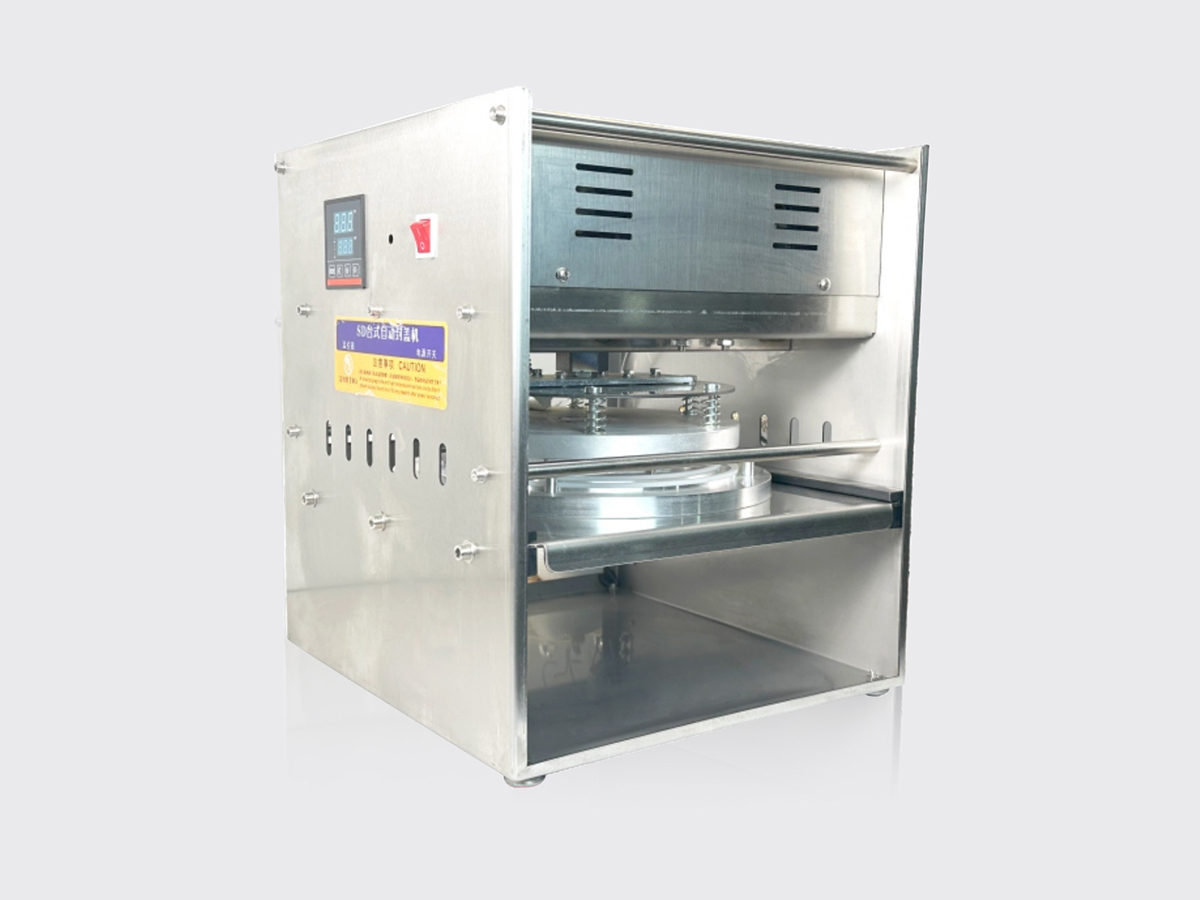 Foil Container
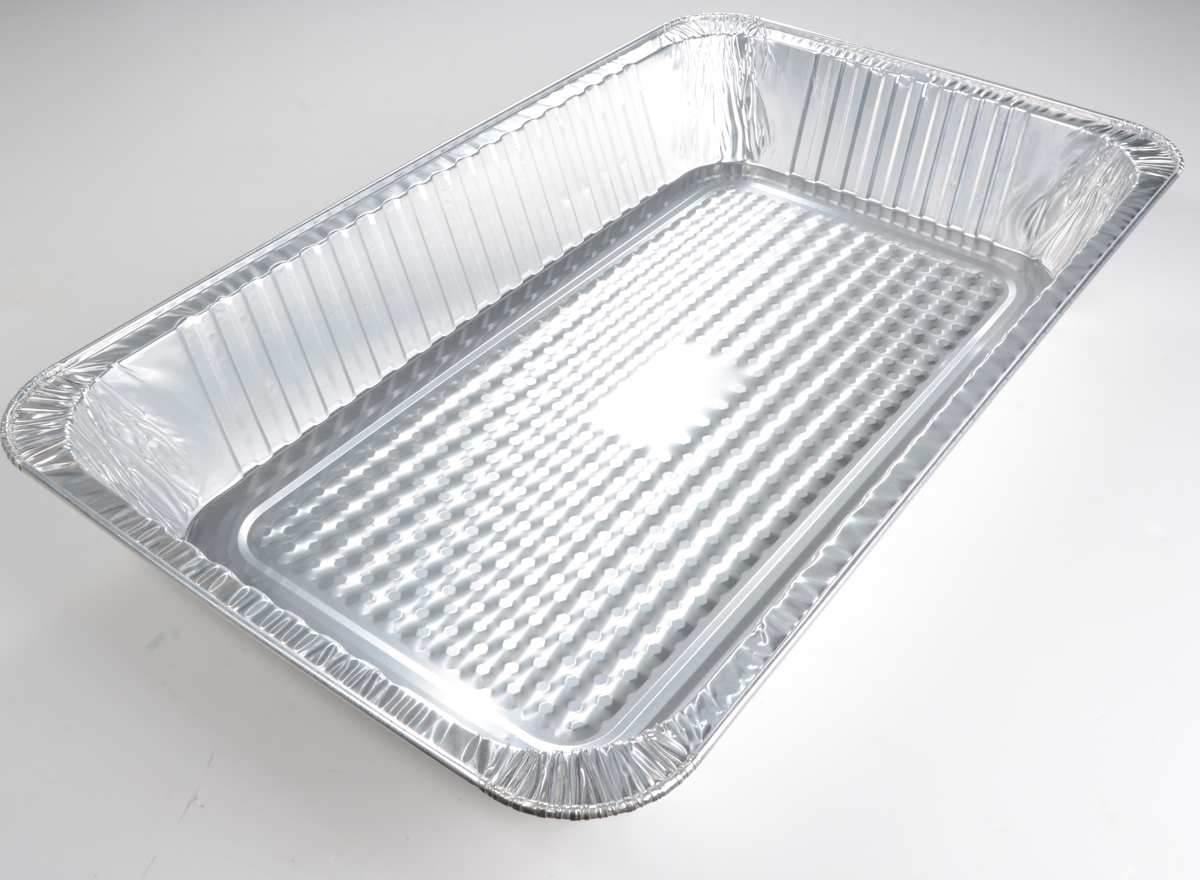 Baking Pan
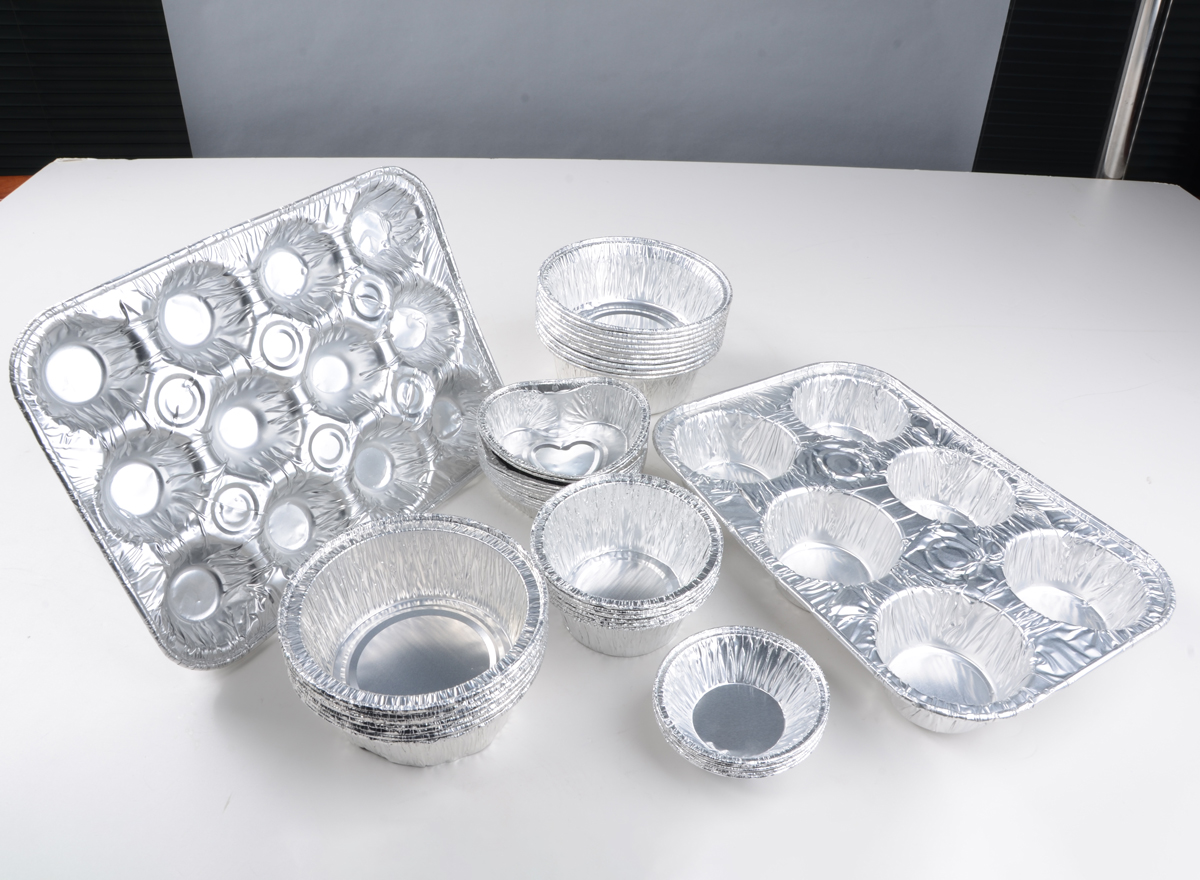 Baking Cup
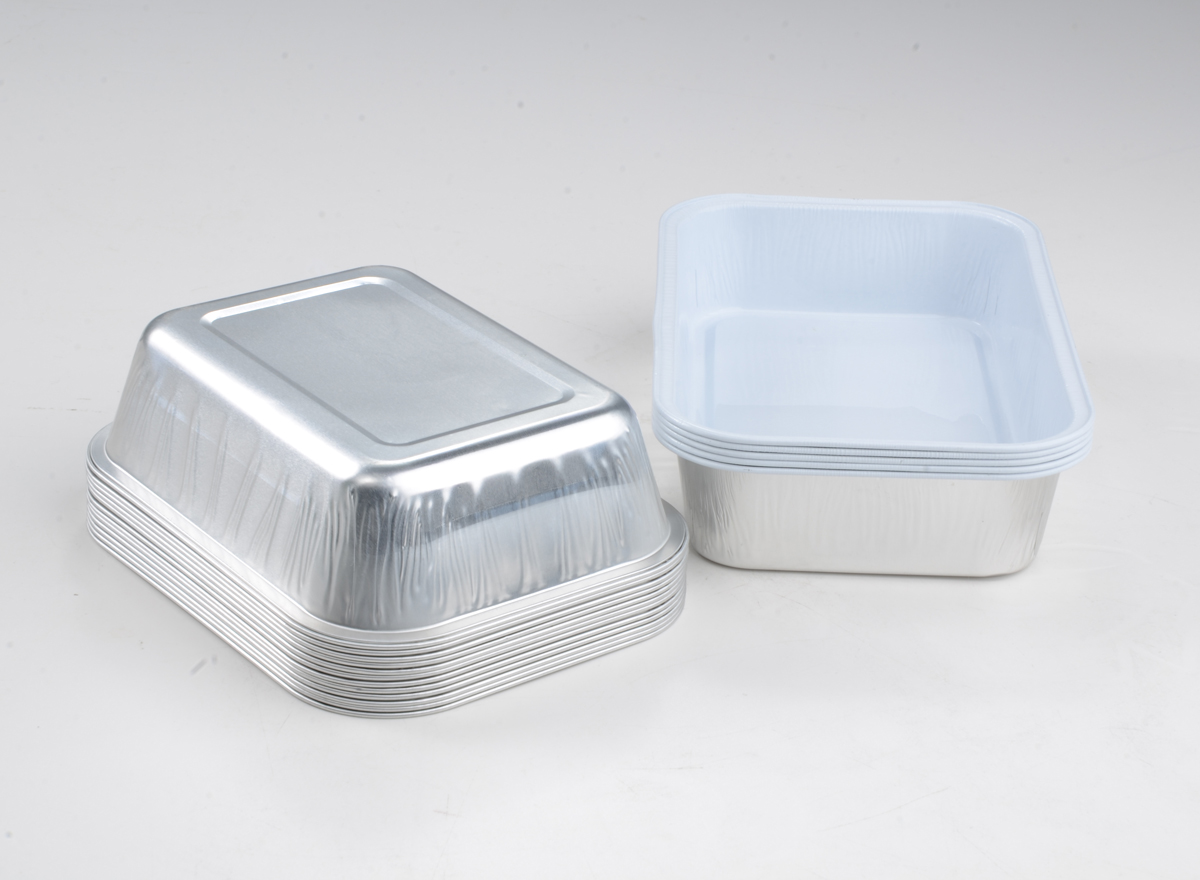 Airline Container
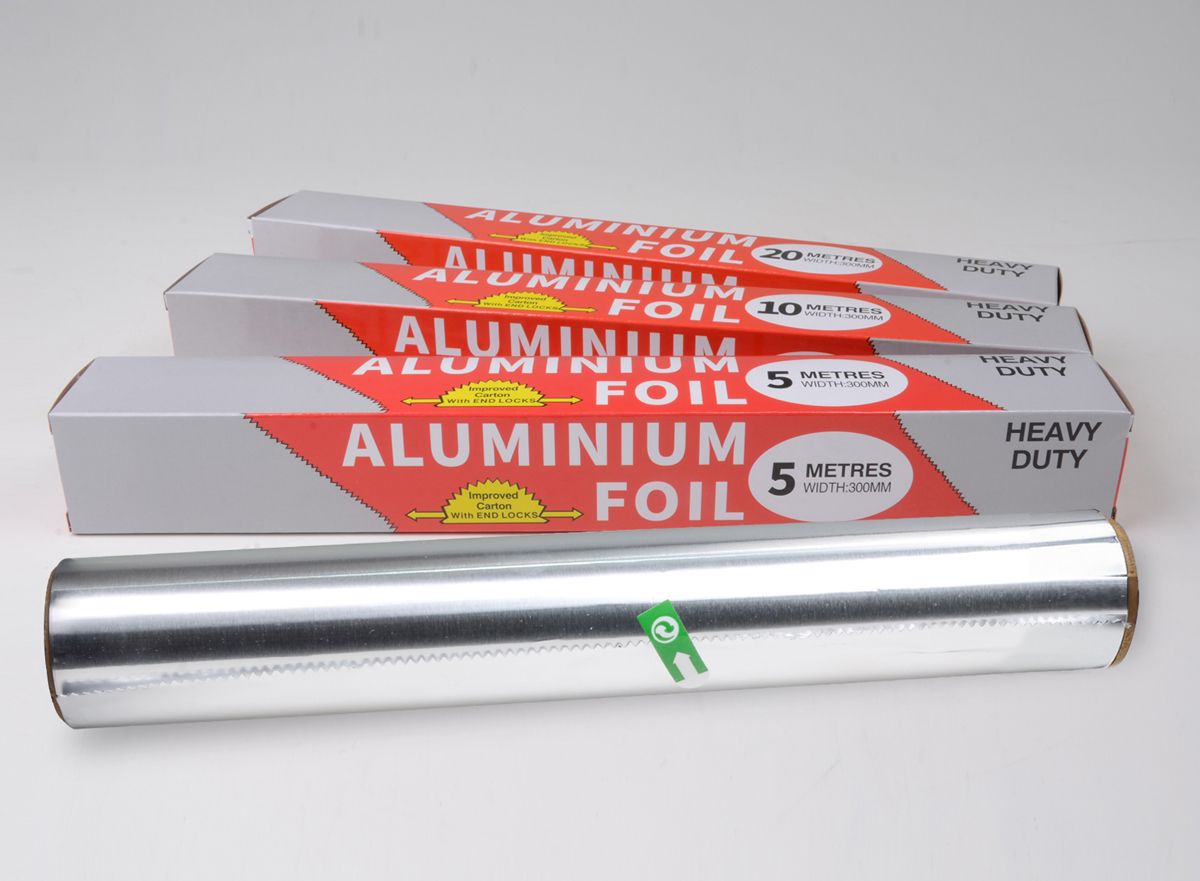 Foil Kitchen Rolls
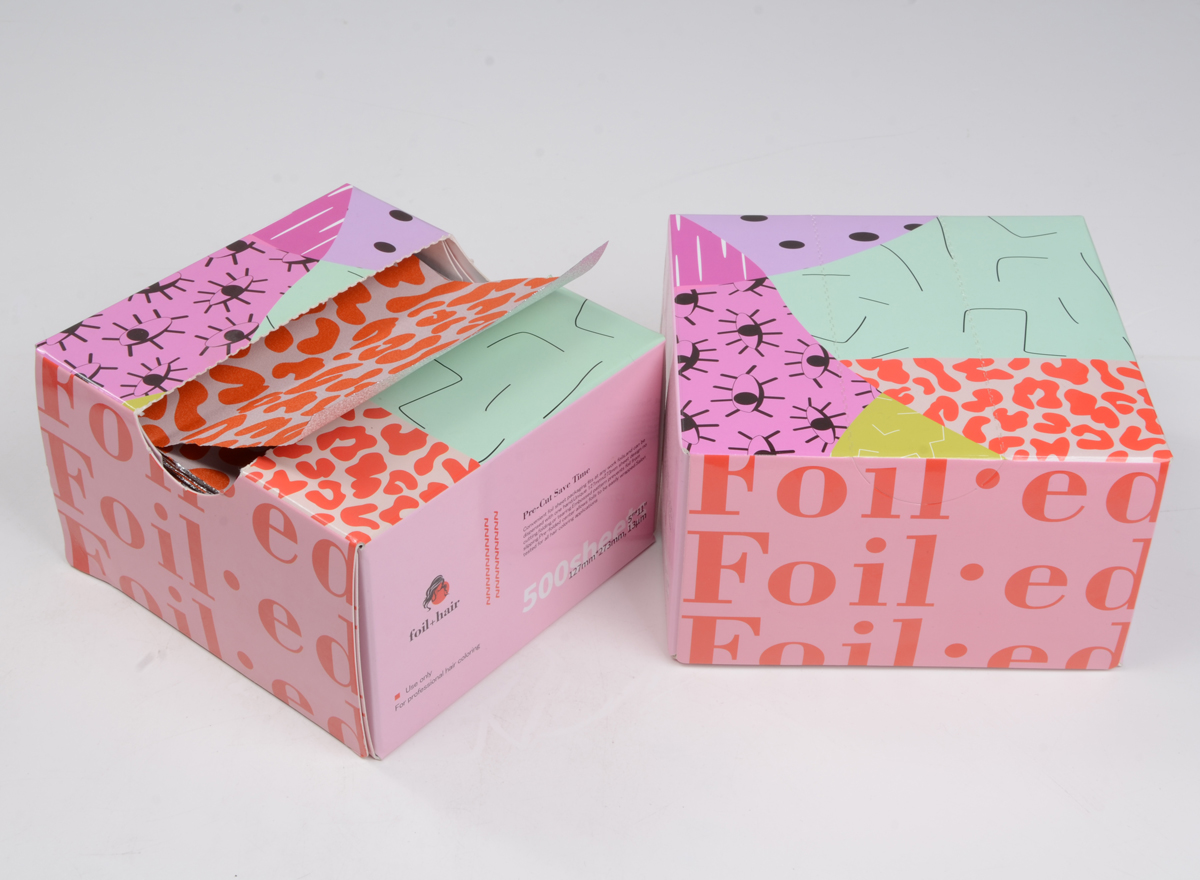 Hairdressing Foil
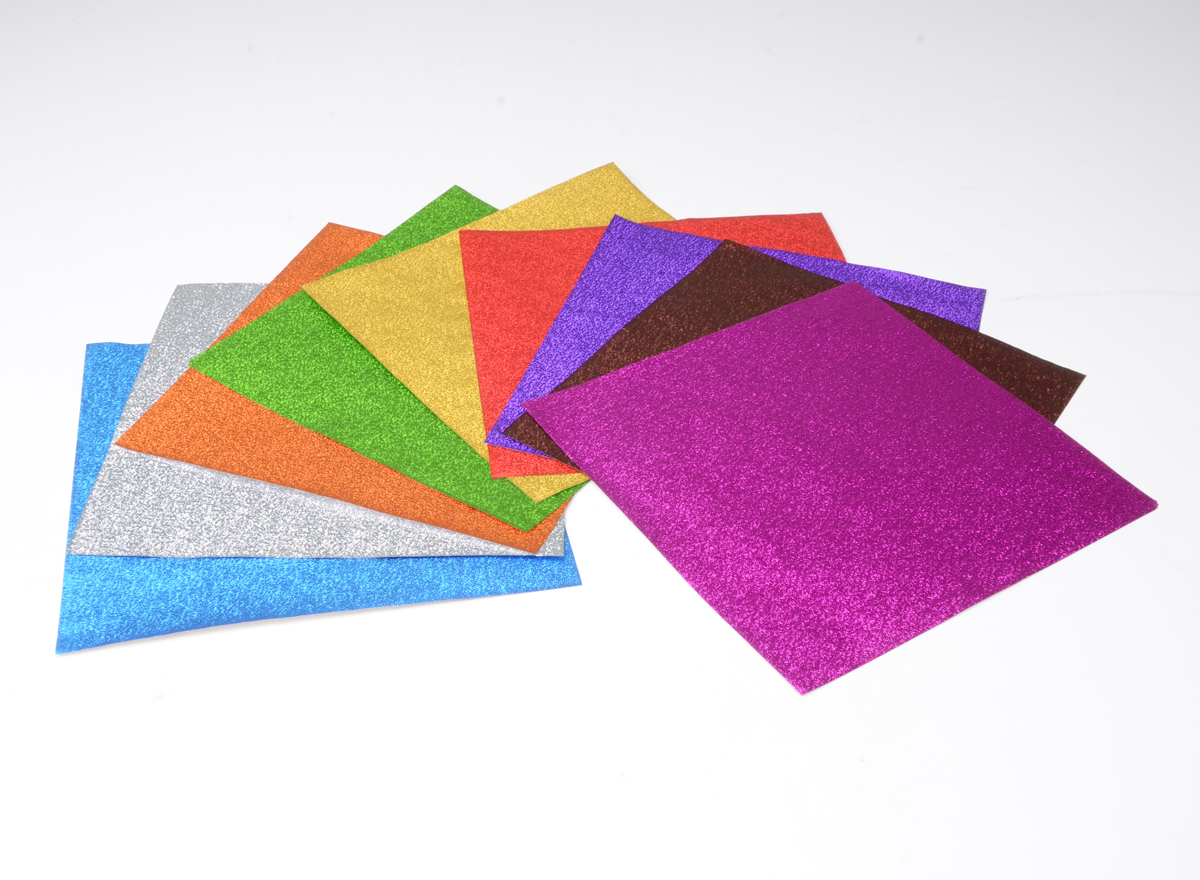 Foil Wrapping Sheets