Leave Your Message

Blog

How to Choose the Best Catering Containers?

How to Choose the Best Catering Containers?

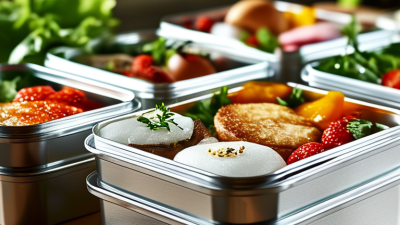
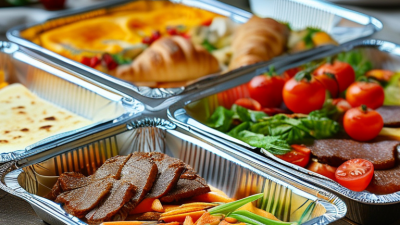
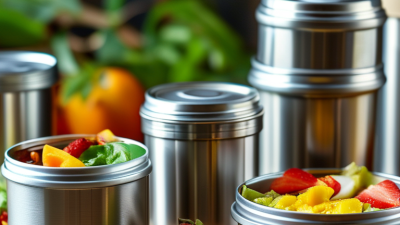
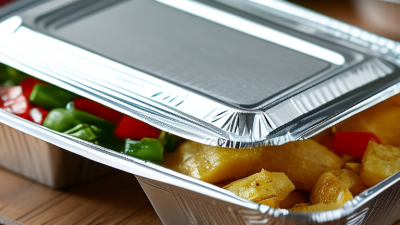
Picking the right Catering Containers? It actually matters more than you might think. It affects food quality, delivery speed, customer satisfaction, and your operating costs. I mean, a container isn't just a box. It has to protect texture, hold heat, stop leaks, and make it through the trip from kitchen to table without falling apart. As Emily Hart puts it—she's a foodservice packaging consultant with over fifteen years in catering operations—"Good packaging should respect the food, not compete with it." That's pretty practical, right? A crisp salad needs airflow. Hot rice, on the other hand, needs a secure lid that keeps spills in check without trapping too much moisture. Little details like that add up. Start by matching each container to the menu and the service condition. Can it handle sauces, layered dishes, delicate pastries, or heavy portions without bending? Test the lid on a real delivery route, too. A container that looks tough on a storage shelf can still fail inside a packed vehicle. Material choice deserves some thought as well. Fiber, plastic, aluminum, and reusable polypropylene all have different strengths. Some hold heat better, others improve presentation or cut down on waste. But no option is perfect. A sustainable pick might still struggle with oily food or long holding times. Look for suppliers you can depend on: clear product specs, consistent sizing, and documented food-contact quality. Stackability can save precious kitchen space. Transparent lids help staff check orders faster. Custom labels can boost brand recognition—though weak adhesives? Yeah, those can drive staff crazy. The best Catering Containers balance protection, appearance, cost, and practicality. They should work during a busy lunch rush, not just look good in a product photo. And honestly, testing a small batch before committing to large volumes is still one of the safest moves you can make.
Read more »
Noah By:Noah - October 14, 2026
What Are the Top Hair Tinting Foil Types?

What Are the Top Hair Tinting Foil Types?

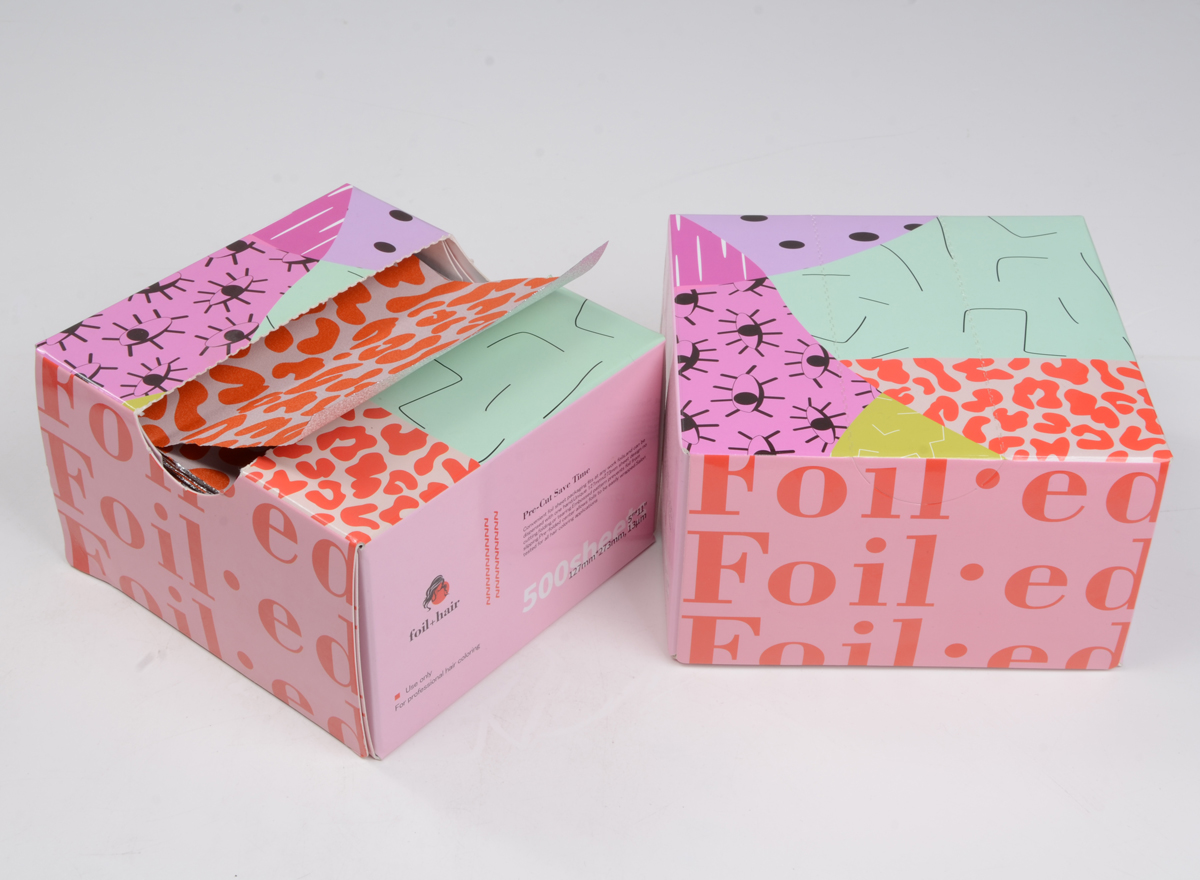
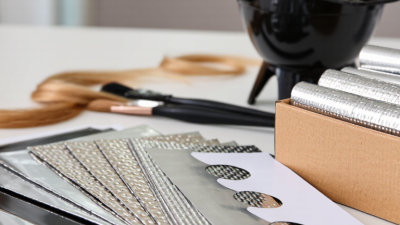
So, picking the right Hair Tinting Foil can genuinely make or break a salon color service. It’s not just a wrap—foil affects heat, saturation, placement, and how processing is controlled. It also changes how comfortably a colorist can work around someone’s head. Aluminum foil is still a favorite because it folds tightly and helps with precise sectioning. Embossed foil? It can give better grip, especially with fine, slippery hair or hair that’s loaded with product. Pre-cut sheets might save prep time, while pop-up foils can keep application faster and more consistent when appointments are stacked up. Jack Howard, a London-based hair color educator, often boils it down to a practical idea: “The right foil gives a colorist control, not just coverage.” That point really matters when you’re comparing Hair Tinting Foil types. A thicker sheet might resist tearing during dense highlights. A lighter one can feel quicker in the hand. Some foils hold heat more efficiently, but too much heat can be risky for delicate or previously lightened hair. Control still comes down to section size, product choice, folding technique, and timing. No foil is perfect everywhere—easy to forget, right? A foil that works great for balayage-style placement may feel awkward for traditional highlights. Cost, texture, length, and stylist experience all shape the best choice. This guide looks at the top Hair Tinting Foil types and explains where each one tends to perform best. It also gets into practical stuff like slip, tearing, heat retention, storage, and waste. Those small differences can show up in the final color. Professional judgment still matters most.
Read more »
Ethan By:Ethan - October 11, 2026
What Is an Aluminum Foil Roll and How Is It Used?

What Is an Aluminum Foil Roll and How Is It Used?

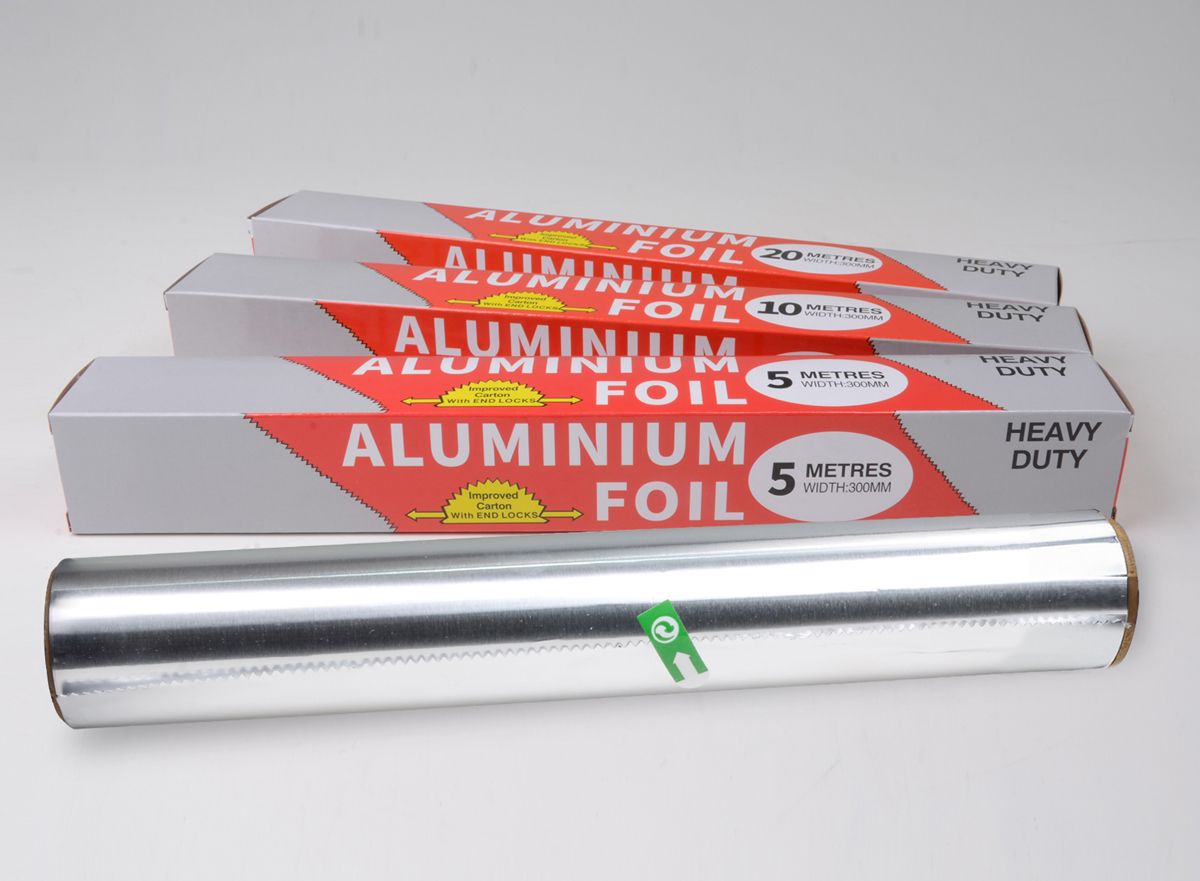
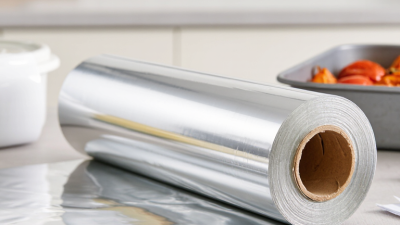
An Aluminum Foil Roll? Basically, it's one long sheet of aluminum wrapped around a core. You'll find these rolls in kitchens, labs, factories, and packaging lines. What determines how well one performs? Things like thickness, alloy, temper, width, and surface finish. A thin household roll bends easily around food containers, right? But a Heavy Duty Aluminum Foil Roll gives you more puncture resistance—great for roasting, insulation, and industrial wrapping. The market side is pretty big, too. The U.S. Geological Survey reported around 70 million metric tons of global primary aluminum production in 2023. Grand View Research put the global aluminum foil market at roughly USD 25 billion in 2023, and its forecast points to steady growth through 2030. Now, these numbers describe aluminum in general—not every single foil roll application. That distinction matters. Market reports use different definitions, regions, and forecasting methods, so don't treat them as perfectly interchangeable. Matt Meenan, former VP of External Affairs at The Aluminum Association, once said, “Aluminum is infinitely recyclable and retains its properties.” That idea should shape responsible foil use, but recycling isn't automatic. You still need clean collection, local sorting systems, and enough material recovery capacity. In practical use, operators should match foil gauge with heat, pressure, moisture, and handling conditions. A roll that looks strong may still tear at a sharp corner. A thicker roll may reduce damage, yet it can also add material cost and weight. This guide looks at how Aluminum Foil Roll products are made, selected, and used. It also questions common assumptions—because more material doesn't always mean better performance.
Read more »
Lila By:Lila - October 7, 2026
2026 Best Aluminum Foil Manufacturers for Global Buyers

2026 Best Aluminum Foil Manufacturers for Global Buyers

Picking the right aluminum foil manufacturer in 2026 is about way more than just comparing prices. For global buyers, proof of quality really matters. A solid supplier should show they maintain consistent gauge control, have clean surfaces, dependable temper, and uniform roll widths. Those tiny defects—yeah, they matter a lot. Just one pinhole could weaken a pharmaceutical blister pack or compromise a food packaging’s barrier. Before locking into long-term deals, buyers should look into quality certificates, production audits, batch traceability, and customer references. Keep in mind, different sectors like food, pharma, household, and industrial use require different foil grades and finishes. Tom Dobbins, who used to be the President and CEO of The Aluminum Association, once said, “Aluminum is infinitely recyclable.” That’s definitely a key point, but just because a company’s product is recyclable doesn’t automatically mean their manufacturing quality is top-notch. Companies like Novelis, Hindalco, UACJ, Norsk Hydro, Speira, and Henan Mingtai are all big names, but their capabilities, regional delivery options, tech support, and paperwork can vary a lot. So, don’t just go on reputation—look at actual performance data. The details really tell the story. A dependable factory should be transparent about how they control processes like annealing, rolling tension, oil residues, edge finishing, and surface protection. They should also be clear about minimum order sizes, lead times, packaging options, and how they handle claims. Sometimes, manufacturers seem competitive until you factor in freight costs, inspection fees, or rejected batches, which can bump up the overall price. This guide aims to help global buyers compare top producers, but here’s the truth: no one company is perfect for every need. Buyers need to align a supplier’s strengths with the specific requirements of their product, compliance standards, and market risks. Sometimes, the most affordable option isn’t necessarily the best choice overall.
Read more »
Ethan By:Ethan - October 2, 2026
7 Tips for Buying Aluminum Pans With Lids

7 Tips for Buying Aluminum Pans With Lids

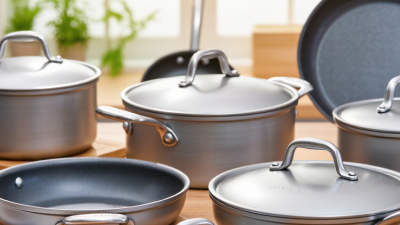
Picking out aluminum pans with lids might seem pretty straightforward, but those little details really do make a difference in everyday cooking. For example, a pan that looks super sturdy sitting on a bright store shelf might feel kinda flimsy once you fill it with stew. And those lids—sometimes they rattle, don’t fit just right, or don’t trap steam effectively. Honestly, these things matter more than you think. Food science expert Harold McGee pointed out that “aluminum is an excellent conductor of heat.” This is why aluminum pans heat up quickly on the stove. But it also means some thinner pans can develop hot spots pretty easily. So, a good pan should strike a balance—consider its weight, thickness, how smooth the surface is, how sturdy the handles are, and how well the lid fits. Don’t just go by how shiny it looks, because a shiny surface doesn’t always mean top quality. One of the best ways to see if a pan is truly reliable is by testing it. Pick it up with one hand and see if the handle stays steady. Try flipping the lid upside down and take a close look at the rim. A snug fit helps prevent splashing, but be careful—it shouldn’t seal so tightly that it traps dangerous steam. Some sets come with aluminum foil lids for storage, but honestly, foil isn’t a real replacement for a good, sturdy lid. It’s easy to bend or tear if you’re not careful, especially around rough edges. When shopping, stick to clear product info from reputable brands like Vollrath or Nordic Ware. Check the capacity, oven safety limits, dishwasher compatibility, and any coating details. Beware of vague marketing language—sometimes, shiny promises don’t match reality. Also, keep in mind: a heavier pan isn’t always better. Sometimes the balance and how it feels to lift matter more, depending on your cooking style. The truth is, what works best can vary from person to person. So, before you buy your aluminum pan with a lid, keep these seven practical tips in mind—think about the materials, how it’s built, safety features, how easy it is to maintain, and whether it’s a good value for the long haul. That way, you’ll make a smarter choice that fits your needs.
Read more »
Noah By:Noah - September 29, 2026
Who Is the Best Aluminum Container Supplier in China?

Who Is the Best Aluminum Container Supplier in China?

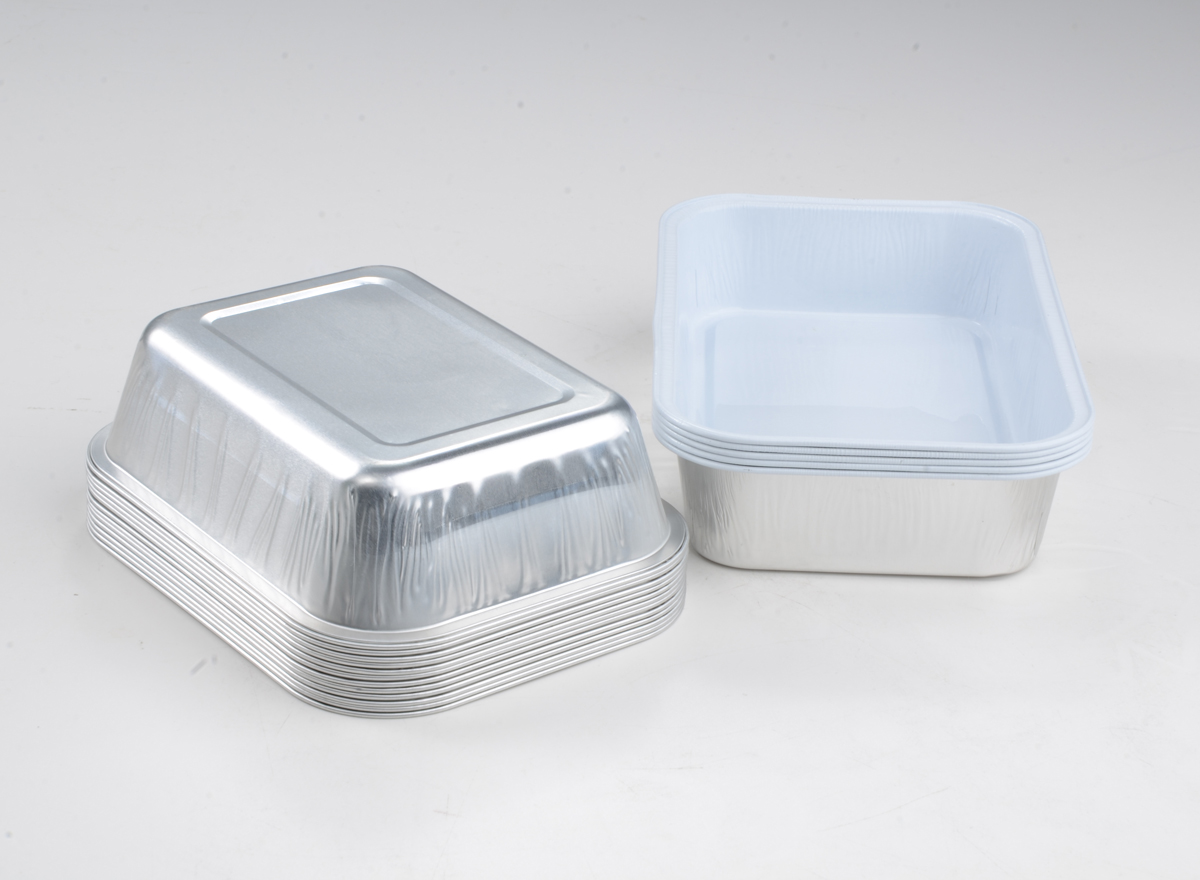
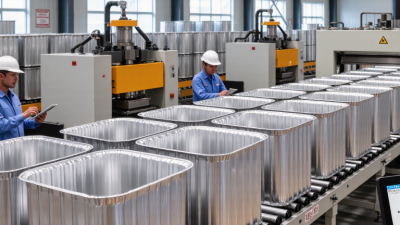
Choosing the right aluminum container supplier in China isn't just about comparing prices or scrolling through glossy websites. You really need to look for concrete proof, practical experience, and clear, honest communication. This guide dives into how manufacturers demonstrate their capabilities—think factory records, production equipment, material controls, and genuine customer feedback. A trustworthy supplier should be upfront about aluminum grades, wall thickness, forming techniques, surface finishes, and tolerance standards. These details matter because they affect the strength, look, sealing ability, and how long the product lasts. Don't hesitate to ask if they support sampling, custom sizes, logo printing, or consistent batch production. Take a good look at their product photos—better yet, ask for samples to check things out firsthand. Having proper quality documentation is a big plus, too. Suppliers ought to be transparent about their inspection processes and explain how they handle defects. Certifications can boost your trust, but keep in mind—they don’t automatically guarantee consistent quality. It’s also worth considering how quickly they respond, how securely they package items, their experience with exports, and how responsible they are with after-sales support. Searching for Container Aluminum suppliers can land you some impressive claims, but not everything you hear might hold up without some verification. Let’s be real—no supplier is perfect. Even the most experienced can run into tooling delays, raw material ups and downs, or communication hiccups. What matters most is how openly they acknowledge these issues and how effectively they work to fix them. This guide compares the practical strengths of top Chinese suppliers without relying on empty promises. The focus is on real evidence, realistic expectations, and building long-term partnerships. Before you place an order, knowing which questions to ask can really make a difference. Often, the small details say a lot about whether you’re dealing with a reliable expert or just a smooth talker.
Read more »
Noah By:Noah - September 24, 2026
Why Choose Aluminum Containers for Global Packaging?

Why Choose Aluminum Containers for Global Packaging?

So, why would someone pick aluminum containers for worldwide packaging? Well, they’re actually a pretty smart choice for companies that operate across different countries. For starters, they’re lightweight, which helps cut down on shipping costs and makes handling easier. Plus, they’re strong enough to protect your products during transit. In some warehouse tests I’ve seen, teams often notice fewer dents in aluminum compared to those flimsy plastic options — which is a big deal when your boxes go through multiple loading and unloading points. It also makes planning warehouse storage and distribution a whole lot smoother. On top of that, aluminum is excellent at blocking out light, moisture, oxygen, and other pesky external contaminants. Of course, how well it performs really depends on factors like the alloy used, how thick the walls are, the type of closure, and internal coatings. It’s not just about the metal itself—experienced packaging pros should really test the entire container, not only the metal. Things like filling temperatures, sealing torque, stacking limits, and shelf life all matter. And paying attention to small details? Totally worth it. Regular supplier audits and keeping records of quality checks help make sure everything’s reliable. And let’s not forget recycling. Aluminum is pretty eco-friendly in that sense, especially if you’ve got good collection systems in place. The value of used aluminum can support recovery and reuse, though recycling rates can vary a lot depending on where you are. It’s important to consider this because aluminum isn’t perfect — creating primary metal consumes a lot of energy, and poorly designed containers can waste material. So, being a responsible brand means weighing recycled content, how far your products need to travel, how well they protect, and what options are available at the end of their life. If you’re searching online, terms like Containers Aluminum seem straightforward, but the real decision should be based on solid evidence. Work with qualified manufacturers, make sure they meet the requirements of your target markets, and ask for material declarations if needed. When you’re careful with testing and sourcing transparency, aluminum containers can really offer durable, efficient, and trustworthy packaging for your global supply chain.
Read more »
Lila By:Lila - September 20, 2026
Why Choose Silver Foil Container for Food Packaging?

Why Choose Silver Foil Container for Food Packaging?

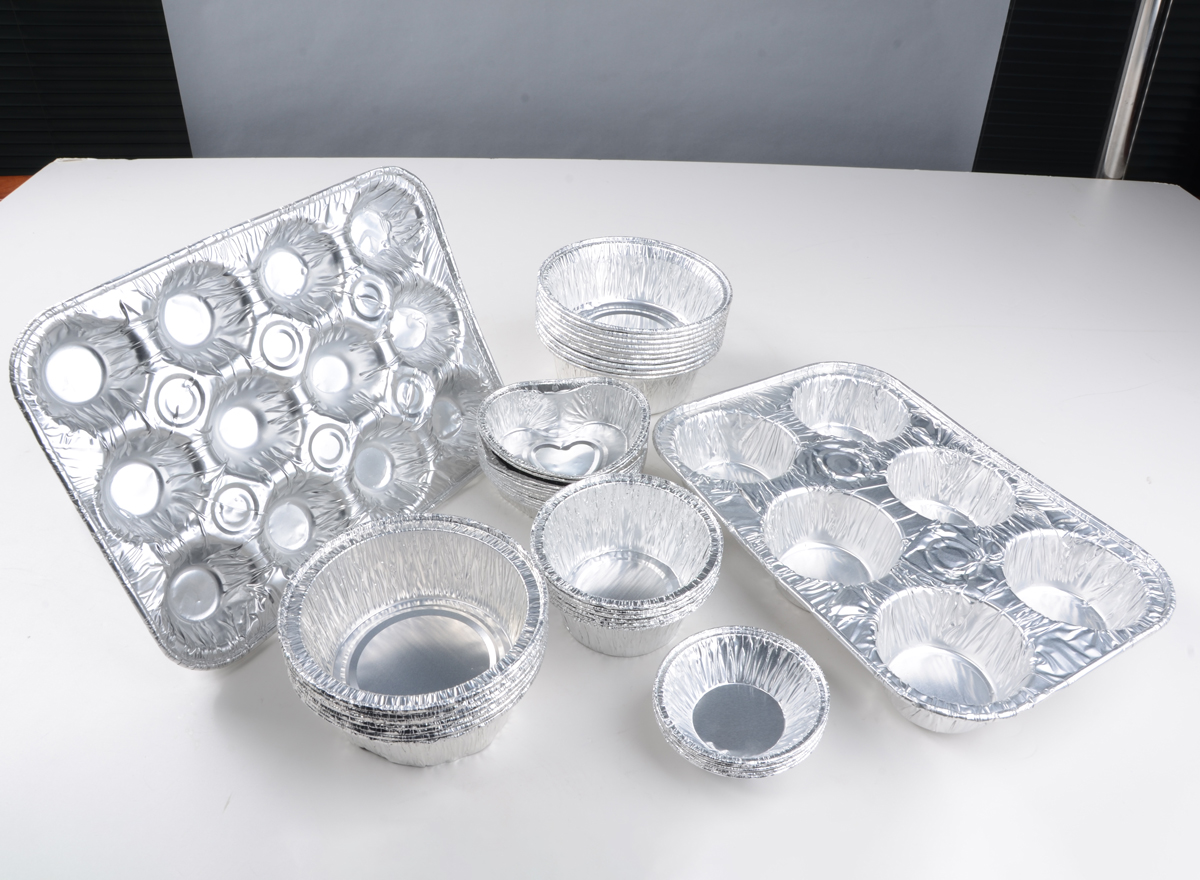
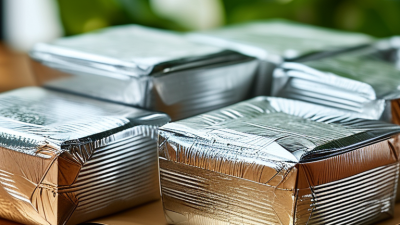
When running a food business, choosing the right packaging isn’t just about looks – it actually impacts safety, how your food’s presented, and how smoothly things run day-to-day. Take a Silver Foil Container, for example. It’s pretty handy for ticking those boxes. Its shiny, reflective surface makes your display look clean and professional, whether it’s sitting on a counter or stacked on a delivery shelf. The tough aluminum build means it can handle hot or cold foods without breaking a sweat. You can even move it straight from preparing the food to the oven, cooler, or serving spot — when the product specs allow, of course. That’s a real timesaver in busy kitchens. Less unnecessary shifting means fewer spills and messes, especially during those peak hours. Small details like this really matter when you’re trying to keep things running smoothly. Now, it’s not some magic bullet. Its effectiveness truly depends on the quality of the alloy, how the lid is designed, how well it seals, and making sure you’re using it at the right temperatures. If you’re dealing with acidic or salty foods, you’ll want to double-check that the container is compatible. Seasoned packaging teams always review these things before giving a thumbs up. They also factor in how easy it is to stack, portion sizes, how far the food needs to travel, and whether recycling facilities are accessible. Reputable suppliers should provide clear info about food contact safety, material details, and tips on proper use. Sometimes, independent testing offers extra peace of mind—especially when you’re producing large quantities. A good Silver Foil Container should keep your food safe and intact without causing extra headaches operationally. Plus, it should align with your brand’s environmental goals—not just to look green but to actually be sustainable. Keep in mind, recycling options vary depending on where you are, and genuine recovery depends on local recycling programs. That’s a pretty important thing to be honest about. The key is balancing protection, how it looks, cost, and proven performance. When suppliers and food makers dig into these details together, foil packaging turns into a really thoughtful tool—not just something disposable but a smart part of your operation.
Read more »
Noah By:Noah - September 15, 2026
What Is Colored Aluminum Foil and What Is It Used For?

What Is Colored Aluminum Foil and What Is It Used For?

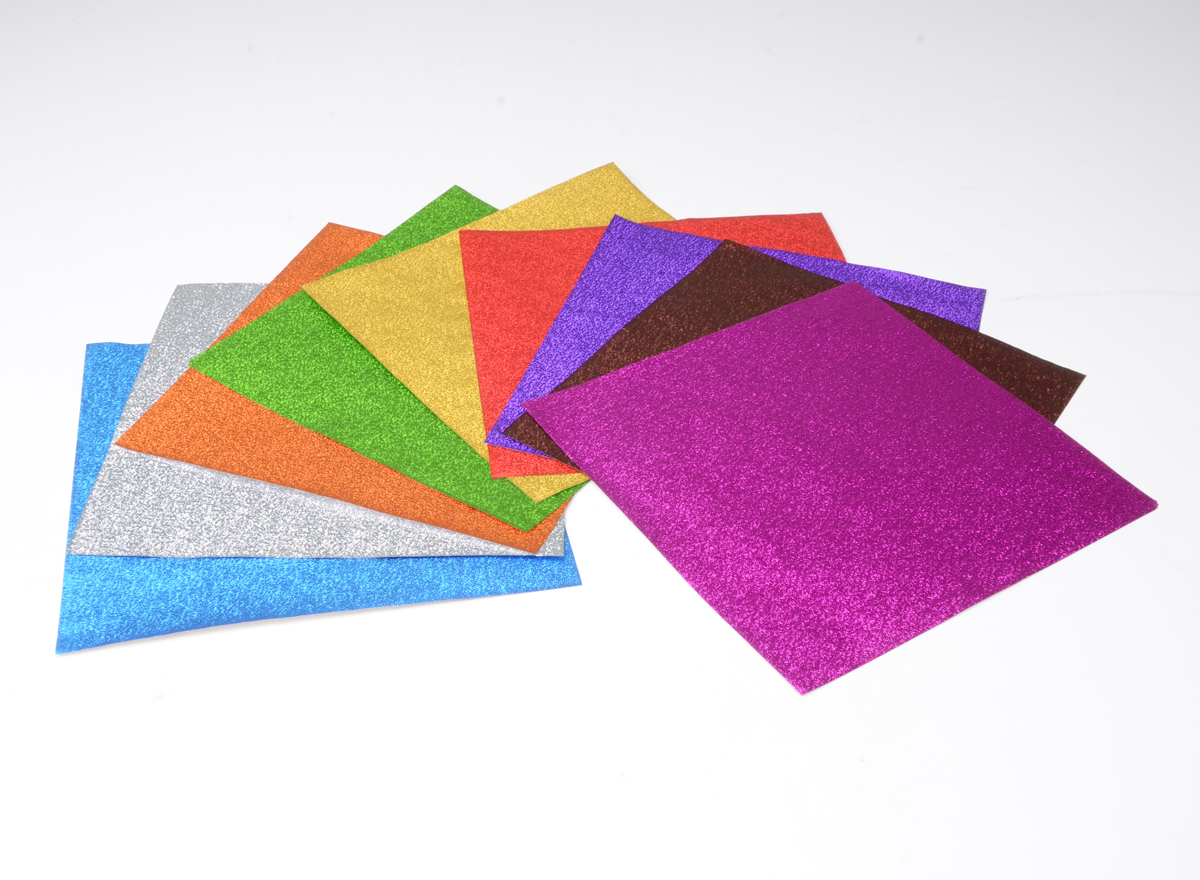
Colored Aluminum Foil is basically a thin sheet of aluminum that's finished with colorful coatings, inks, or anodized surfaces. It’s a pretty versatile material—offering both a barrier to protect what's inside and a visual touch that can help products stand out. You’ll see it used for stuff like food lids, pharmaceutical packaging, gift wraps, labels, insulation layers, and decorative laminates. The color isn’t just for looks though; it can help products stand out on the shelf, but the foil also needs to stand up to heat, moisture, scratches, and contact with other products. According to Grand View Research, the global aluminum foil market hit around USD 26.6 billion in 2023, and it’s expected to keep growing through 2030—mainly because of packaging and pharma demand. But here’s the thing: colored foil is just a small piece of that bigger market. Public reports often don’t break down the numbers specifically for colored foil, which makes it tricky to know exactly how big that segment is. The International Aluminium Institute points out that about 75% of all aluminum ever made is still in use today. Recycling depends on good collection systems, separating different alloys, and proper coating treatments. While colored coatings don’t automatically make foil non-recyclable, contamination from inks or coatings can make recycling tougher and lower the quality of recovered material. So, testing in real-world conditions is super important. Guido Aufdemkamp from the European Aluminium Foil Association mentioned that aluminum foil is a renewable, endlessly recyclable material that keeps its qualities no matter how many times it’s recycled. That’s a good principle for designing colored foil responsibly. But it’s also vital to not just rely on the marketing shine—products need to be safe, with verified coatings, consistent thickness, good adhesion, and clear recycling instructions. For example, a bright red foil lid might catch your eye in a store, but if the ink smudges or transfers during sealing, it’s a fail. The technology’s definitely useful, but it’s not perfect. Manufacturers really should do thorough tests under real production conditions before making claims about performance or eco-friendliness.
Read more »
Noah By:Noah - September 10, 2026
Top Full Size Aluminum Pans for Global Buyers in 2026?

Top Full Size Aluminum Pans for Global Buyers in 2026?

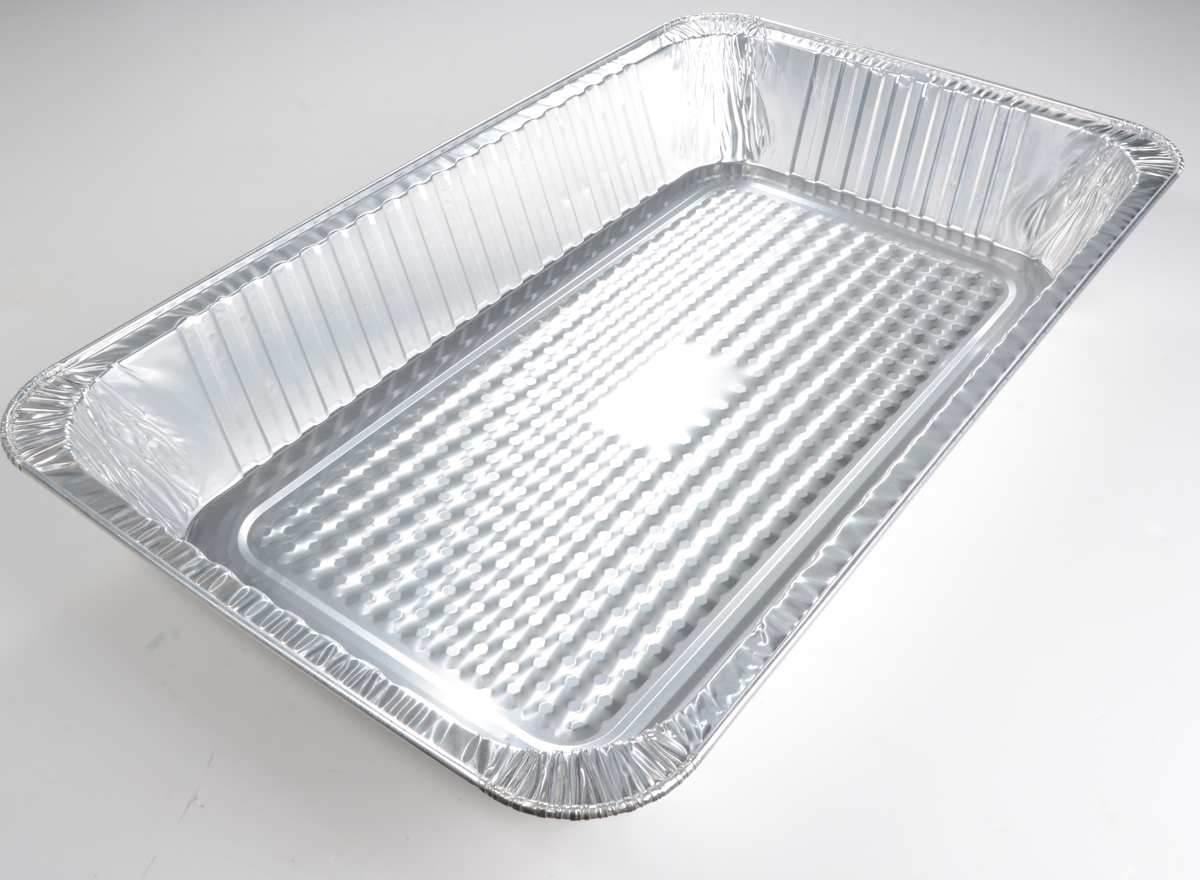
As we look ahead to 2026, it’s clear that the demand for full-size aluminum pans is really picking up around the world. These handy kitchen staples have become pretty much essential, whether you're cooking at home or running a big operation. From catering gigs to family reunions, you can’t underestimate how useful Full Size Aluminum Foil Catering Trays are. They’re lightweight, sturdy, and cost-effective—making them a smart choice for lots of folks. Manufacturers are moving fast, trying to come up with new ideas to meet all kinds of customer needs. But, of course, there are challenges ahead. Issues around quality and sustainability keep popping up as big concerns. Buyers often get bombarded with brands claiming their products are the best, but not everyone lives up to that hype. So, it’s really important to do your homework—research companies, check out their reputations—so you don’t end up disappointed. Where the materials come from, how stuff is made, and what other customers are saying all matter a lot when figuring out whether a brand is reliable. People buying these pans from all over the globe need to stay alert. Picking the right supplier can make a huge difference in how smooth things go. If you’re well-informed, you’re more likely to end up with a product you’re happy with and build trust in the long run. Yeah, the search to find the perfect full-size aluminum pans might take some patience and effort, but honestly, the payoff’s totally worth it.
Read more »
Lila By:Lila - September 5, 2026
Why Invest in a Foil Sealing Machine for Your Business?

Why Invest in a Foil Sealing Machine for Your Business?

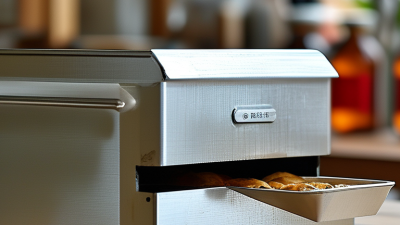
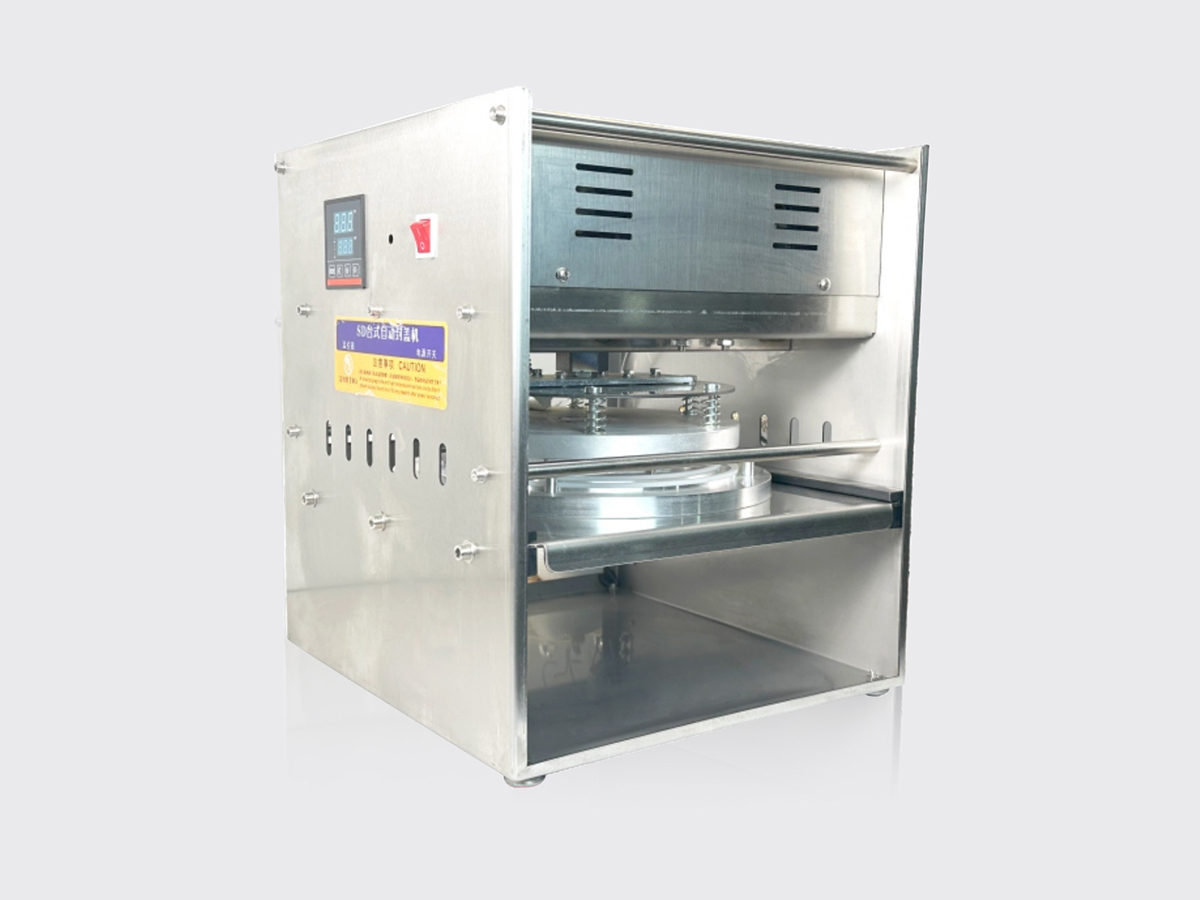
Thinking about investing in a Foil Sealing Machine? Honestly, it can really give your business a solid boost. I came across a report by Markets and Markets saying that the global packaging machinery market is set to jump from around USD 41 billion in 2020 to over USD 61 billion by 2025. That’s a pretty clear sign that good sealing solutions are more important than ever, especially in the food and pharma world. Big players like Bosch and Ishida have already seen their products last longer and had fewer issues with tampering, all thanks to foil sealing tech. A foil sealing machine isn’t just about making sure stuff stays closed tight—it's also about cutting down waste. These days, when markets are kinda unpredictable, every second—and every bit of product life—matters. Turns out, nearly 30% of consumers really care about packaging quality, according to the Packaging Association. But honestly, a lot of businesses overlook their sealing processes, which can lead to missed opportunities or upset customers. And let’s be real—if your seals are inconsistent, you might end up dealing with more returns and unhappy folks. Now, I get it—spending on new tech like a foil sealer might seem like a big expense at first blush. But honestly, it can pay off pretty quickly in the long run. As things keep evolving, the demand for top-notch packaging isn’t going anywhere. Companies that jump on these trends and upgrade their sealing game are often the ones that improve their brand reputation and build more trust with their customers. Yeah, it’s something you’ve gotta think about carefully, but more often than not, the benefits will probably outweigh the risks.
Read more »
Lila By:Lila - August 21, 2026
Top Benefits of Disposable Aluminum Pans With Lids for Catering?

Top Benefits of Disposable Aluminum Pans With Lids for Catering?

In the world of catering, things like efficiency and convenience really matter. That’s probably why disposable aluminum pans with lids have become such a hit—they make life so much easier when serving food. Did you know that, according to the Food Packaging Institute, the global market for aluminum food packaging is predicted to hit around $11 billion by 2025? That’s pretty crazy, but it just shows how much people are looking for solutions that are both practical and eco-friendly. A guy like Mark Jensen from PackTech Consulting, who’s an expert in packaging, points out that these pans are actually pretty great. He says, 'Disposable aluminum pans with lids are lightweight and flexible, helping caterers save time and make their dishes look a bit more polished.' Plus, using aluminum foil lids can really help keep the food fresh during transport — a small detail, but a big deal! That said, there’s an ongoing concern about the environmental impact of relying so heavily on single-use stuff. It’s a tricky balance for the industry — on one hand, convenience is king, but on the other, we’ve got to think about sustainability. Caterers, in particular, need to weigh their options carefully — trying to cut down on waste without sacrificing quality or service. Getting a handle on these issues is pretty much essential if you want to stay competitive in this fast-paced catering game.
Read more »
Lila By:Lila - August 17, 2026